When choosing a flexible resin for LCD/DLP 3D printers, you want a balance of softness, strength, and durability. The following selections focus on resins that mimic rubber and soft plastics, offering good tear resistance and reliable curing. Each entry includes a quick overview, notable features, and practical applications to help you compare options for flexible parts, protective casings, or comfortable wearable components.
| Product | Shore (A) | Volume | Key Strength | Ideal For |
|---|---|---|---|---|
| SUNLU Flexible 3D Printer Resin (66A, 1000g) | 66A | 1 kg | Balanced softness and strength | Flexible prototypes, rubber-like parts |
| SUNLU Flexible 3D Printer Resin (66A, 2000g) | 66A | 2 kg | High impact resistance | Heavier, durable flexible parts |
| Siraya Tech Tenacious (1000g, Clear) | High toughness | 1 kg | Very high impact resistance | Delicate, thin-walled flexible components |
| 3DMaterials Superflex (500g, Clear) | 80A | 0.5 kg | Fast printing, balanced softness | Flexible rubber-like prototypes |
| Inslogic Flexible 70A (1kg, Black) | 70A | 1 kg | Rubber-like elasticity with tear resistance | Soft parts, wearable components |
Note: The table above highlights representative attributes to compare typical flexible resins. Individual results may vary with printer model, exposure settings, and post-processing.
SUNLU Flexible 3D Printer Resin 66A (1000g) Gray

SUNLU Flexible 3D Printer Resin 66A offers a blend of softness and strength that mirrors rubber-like properties. With a 66A shore hardness and notable elongation at break, this resin is designed for flexible prototypes that can bend, twist, and absorb impacts without fracturing. The formulation aims for robust performance in items like grips, bumpers, and soft shells, while maintaining compatibility with 405nm curing systems.
Key features include balanced softness and strength, 66A Shore hardness, and high impact resistance. Applications span protective housings, ergonomic grips, and flexible connectors where durability matters as much as pliability. For best results, follow standard post-curing steps and optimize layer exposure for your printer model.
SUNLU Flexible 3D Printer Resin 66A (2000g) Gray
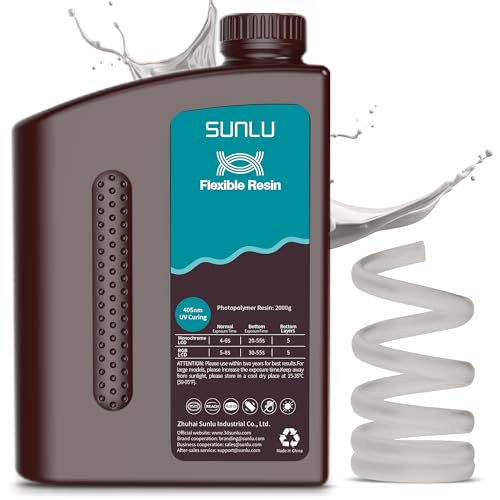
This 2-kilogram option mirrors the 66A softness while offering a larger volume for bulk projects or ongoing print farms. The resin emphasizes a balance of softness and durability so printed parts can bend and flex under use without delaminating or becoming brittle. Suitable for repeated handling and low-stress flexible components in consumer devices or wearables.
Highlights include the same 66A shore hardness and strong elongation, plus good impact resistance. Ideal for production runs where consistent flexible parts are required, with careful post-processing to ensure uniform cure and surface finish across batches.
Siraya Tech Tenacious 3D Printer Resin (1000g, Clear)
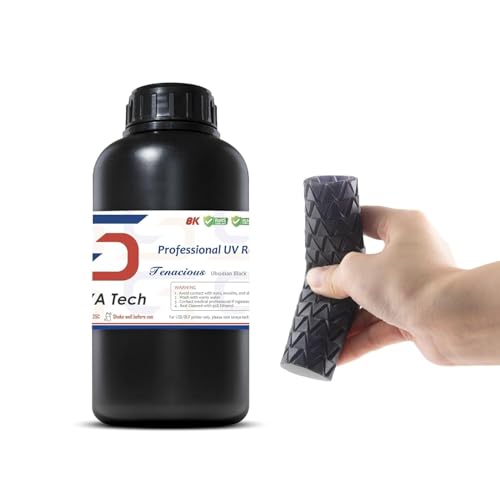
Siraya Tech Tenacious is designed for toughness and resilience, providing high impact resistance and tensile strength to enable flexible prints that can withstand drops and repeated bending. It’s often used as an additive to reinforce other resins, increasing durability and elasticity without compromising detail. This makes it suitable for parts that require both flexibility and rugged performance, such as protective housings and casings with complex geometries.
The resin offers a blend of high toughness and compatibility with various LCD/DLP printers, enabling users to push the boundaries of what flexible parts can endure. For best outcomes, consider mixing Tenacious with other resins to tailor the balance of stiffness and elasticity for specialized applications.
Inslogic Flexible 70A Resin (1kg, Black)
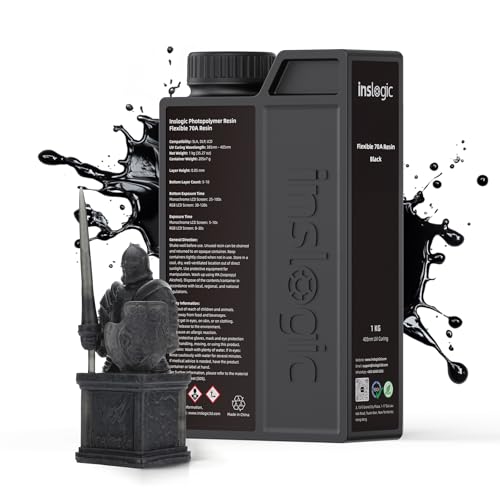
Inslogic Flexible 70A Resin delivers rubber-like elasticity with 70A hardness, providing comfortable, bendable parts with good tear resistance. This resin is well-suited for wearable components, soft grips, and cushioning features where repetitive flexing occurs. It also shows resilience under pressure, maintaining shape after repeated bending and compression.
Applications include ergonomic handles, protective sleeves, and soft interiors for cases. Post-processing recommendations emphasize consistent light exposure and thorough rinsing to preserve elasticity and surface finish across prints.
YOUSU Flexible Tough 80A Resin (1kg, Black)

YOUSU 80A resin provides a tougher yet still flexible alternative with high elongation and tear resistance. The resin is intended for parts that must endure bending, twisting, or shock absorption, such as mobile device casings, insoles, seals, or protective accessories. The material tends to maintain a smooth surface and precise details, even under flexible printing conditions.
Its wide applicability includes wearables and elastic components where resilience is essential. For optimal results, calibrate exposure settings to balance cure depth with surface quality and minimize post-curing yellowing or surface imperfections.
Buying Guide: Flexible Resin Purchase Considerations
- Shore hardness: Softer resins (60-70A) provide more rubber-like flexibility, while tougher resins (80A and above) offer greater resilience for parts that require repeated bending.
- Elongation at break: Higher elongation supports bending and stretching without fracture, which is critical for wearable or impact-prone components.
- Impact resistance: High-impact formulations help protect delicate internal structures during drops or bumps, improving durability in real-world use.
- Printer compatibility: Ensure the resin is rated for your LCD/DLP 405 nm printer and aligns with your exposure settings to optimize cure and surface finish.
- Post-processing requirements: Some resins cure faster but may require specific post-curing times or UV exposure to maintain elasticity and surface integrity.
- Storage and aging: Flexible resins can be more sensitive to humidity and temperature; store in a cool, dry place and seal properly to maintain performance.
- Mixing and additive possibilities: Some manufacturers recommend blending resins to tune properties, but always test mixtures on small parts before large-scale use.
- Volume and cost efficiency: Larger volumes reduce per-unit cost and are beneficial for print farms; consider expected print volume when choosing between 500 g, 1 kg, or 2 kg options.