Choosing the right bow hair can affect tone, response, and consistency during practice and performances. This guide highlights top synthetic and synthetic-friendly bow hair options, with five models that balance durability, playability, and value. While natural horsehair remains popular, modern synthetic and vegan alternatives offer stable performance across climates and sessions.
Summary of Selected Products
| Product | Brand | Key Benefit | Link |
|---|---|---|---|
| Herco HE902 Hervex Violin Bow Hair | Jim Dunlop | Synthetic fiber superior to horse hair; long usable length | Amazon |
| Fiddlerman Forever Vegan Black Carbon Fiber Bow | Fiddlerman | Zarelon synthetic hair; durable and humidity resistant | Amazon |
| TUOREN 2 Hanks Bow Hair Replacement Kit | TUOREN | Includes installation aids; classic white bow hair | Amazon |
| KAIY 2 Hanks Mongolian Horse Bow Hair | KAIY | High-quality natural horsehair; white variant | Amazon |
| Boao 3 Hanks Mongolian Horse Bow Hair | Boao | Three-hank set; classic Mongolian horsehair | Amazon |
Herco HE902 Hervex Violin Bow Hair, Full Length

The Herco HE902 Hervex bow hair uses a synthetic fiber designed to perform consistently with less sensitivity to humidity and temperature shifts. At 31 inches of usable length, this option provides ample material for most violin bows, and it accepts rosin well, helping maintain bow control and tonal response during practice and performance. The synthetic composition offers durability and reduced breakage risk compared with some natural hairs, making it a practical choice for beginners and professionals alike seeking reliability.
Fiddlerman Forever Vegan Black Carbon Fiber Bow
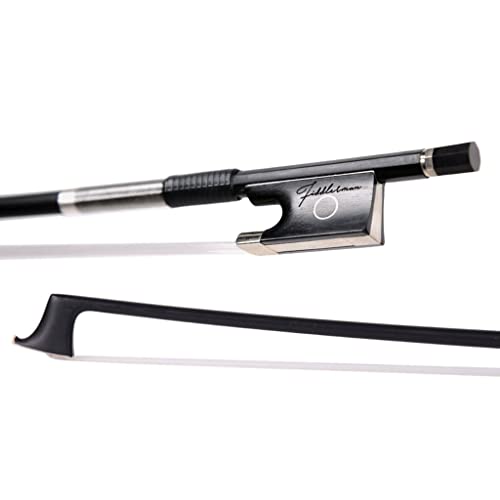
This bow pairs a carbon fiber shaft with Zarelon synthetic bow hair. The vegan construction ensures no animal products are used in the horsehair substitute, and the bow’s design emphasizes stable resonance and rebound. The Zarelon synthetic hair is noted for its longevity—travel-friendly and less affected by climate changes—making it a strong choice for students and professionals who value consistent tone and quick rosin application. Ebony fittings and a refined balance support precise bowing technique.
TUOREN 2 Hanks Bow Hair Replacement Kit
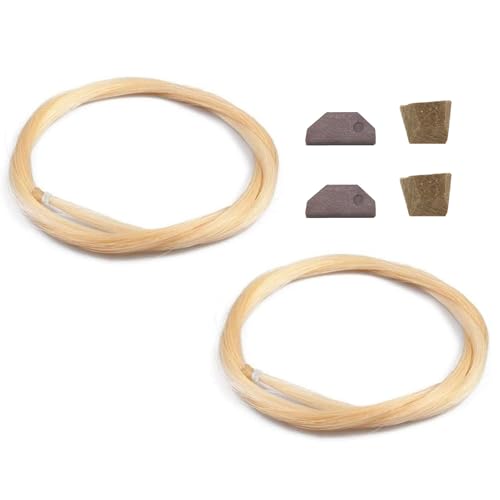
The TUOREN kit offers 29 inches of horsehair and includes wooden plugs and plastic wedges for installation, facilitating a straightforward rehair process. While focusing on horsehair, this option is included to provide a contrast against synthetic alternatives. The hair is described as flexible and solid, contributing to a warm and clear violin tone when properly installed. It’s a practical choice for players seeking a traditional feel with a modern, user-friendly kit.
KAIY 2 Hanks Mongolian Horse Bow Hair

The KAIY bow hair is made from 100% genuine Mongolian horsehair, providing a white variant with typical horsehair characteristics. It measures about 29.5 inches, suitable for many violin bows. Players seeking a traditional sensation and tonal color akin to classic horsehair may prefer this option, especially when humidity is controlled and the bow is well maintained.
Boao 3 Hanks Mongolian Horse Bow Hair

This kit provides three hanks of Mongolian horsehair, totaling about 31.5 inches of length. The hair is selected for consistent thickness and resilience, with a bright natural color to complement various violin finishes. It’s designed for easy installation and long-lasting use, making it a practical replacement option for players who prefer traditional horsehair but want a reliable supply.
Buying Guide: Key Purchase Considerations
Choosing between synthetic and natural bow hair involves assessing tonal goals, climate, maintenance, and playing style. Synthetic fibers typically offer consistent performance in varying conditions, reduced sensitivity to rosin buildup, and enhanced durability. Natural horsehair tends to produce a warmer, more nuanced tone, but requires careful rosin management and humidity control.
- Material and Tone: Synthetic bow hair generally delivers a bright, even response and longer lifespan, while natural horsehair can provide richer overtones and a traditional feel. Consider your primary repertoire and preferred bow action.
- Length and Installation: Ensure the bow hair length matches your bow model. Kits that include plugs and wedges simplify installation and reduce downtime between performances.
- Durability and Climate: If you perform in varying environments or travel frequently, synthetic or vegan options like Zarelon hair may offer more consistent performance than natural hair that absorbs moisture.
- Maintenance: Synthetic hair is typically easier to maintain with regular rosin application and avoids frequent rehairing caused by moisture-related wear.
- Repairability: Some products include installation accessories or ready-to-use packages, making quick replacements feasible for students and professionals.
- Brand Confidence: Reputable brands with clear product specs help ensure you get the intended hair type, length, and compatibility with your instrument.
Comparative Perspectives
For students starting out, a synthetic option can simplify care and reduce the risk of uneven rosin uptake. Professionals who require a consistent counterpoint to environmental changes may prefer synthetic or vegan options with stable tonality and long life. Players with a long-standing tonal preference for white or unbleached horsehair might still lean toward traditional horsehair sets, especially when exacting color and texture are part of their performance aesthetic.
Key Purchase Considerations
- Compatibility: Verify the hair length matches your bow’s required measurements and installation method.
- Hair Type: Decide between synthetic, vegan, or horsehair based on tone, maintenance, and climate.
- Installation Aids: Kits with plugs and wedges reduce setup time and help ensure a secure fit.
- Longevity: Look for hair that resists fraying and holds rosin evenly for reliable response over time.
- Price and Value: Compare package contents, including the number of hanks and any included accessories, to assess long-term value.