Discover top picks for color flow in resin art and studio layering. This guide highlights high-clarity pigments, soft-body acrylics ideal for paint pours, and crystal-clear resins that let colors flow with shine. Each product is chosen for reliability, safety and performance in a color-flow resin studio environment. Explore practical options for color blending, tinting, and durable finishes that resist yellowing over time.
Summary table of chosen products:
| Product | Brand | Key Benefit |
|---|---|---|
| Soft Body Acrylic Paint Set | Liquitex | Vibrant, low-viscosity colors for flow pours |
| Soft Body Brilliant Blue | Liquitex | Pure pigment, high clarity for mixing into resin pigments |
| MakerPoxy Crystal Clear Epoxy (8 oz) | TotalBoat | High-gloss, UV-resistant finish for resin art |
| MakerPoxy Crystal Clear Epoxy (Pint) | TotalBoat | Long working time, easy tinting for resin projects |
| Phthalo Blue Acrylic Ink | Holbein | Transparent tinting for resin pours and artwork |
Liquitex Soft Body Paint Set — 6 x 22ml
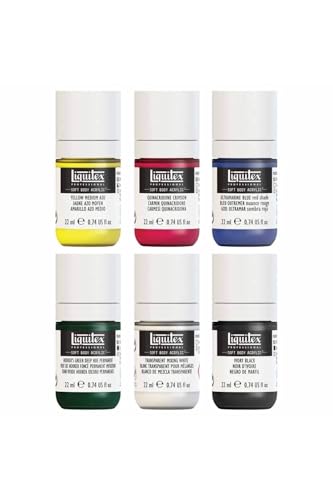
Liquitex Professional Soft Body Acrylic Paints are formulated with pure pigments that express each color’s character. The latest resin technology provides maximum clarity and vibrancy with minimal wet-to-dry shift, making them suitable for color-flow resin techniques where transparency and depth matter. They are certified safe for studio and educational use, carrying the AP seal. The paints are soft and flowing, designed to pour or brush with a low viscosity while maintaining enough body to cover larger areas when needed. This mix supports controlled, consistent color blending in resin studios.
Liquitex Soft Body Brilliant Blue — 59ml

This Brilliant Blue soft body paint from Liquitex provides pure pigments and vibrant color that stay true in resin mixes. The resin-technology formulation yields high clarity with minimal wet-to-dry shift, helping artists achieve clean color separations and rich blues in pours and swirls. The AP safety seal ensures suitability for studio use, particularly in educational settings or home workshops. With its soft, flowing consistency, it pours smoothly into resin pours without clogging or dragging, which is essential for color-flow effects.
MakerPoxy Crystal Clear Epoxy Kit — 8 oz

TotalBoat MakerPoxy Crystal Clear Epoxy is a professional-grade resin kit designed for color art and resin crafts. It yields a ultra-clear, glass-like finish that resists scratching and yellowing, ideal for resin art, river tables, and decorative pieces. The formula is easy to tint with alcohol inks, mica powders, pigment dispersions, or acrylic paints, enabling vivid color-flow effects. With low odor and BPA-free composition, it is suitable for indoor studio use and projects that require safe handling around pigments and additives.
MakerPoxy Crystal Clear Epoxy Kit — Pint
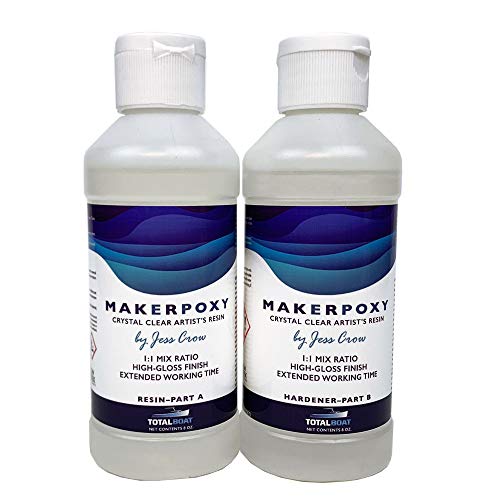
This pint-size version of MakerPoxy Crystal Clear Epoxy offers the same professional-grade, ultra-clear finish with long working time. It is ideal for small resin canvases, coaster projects, or color-flow experiments where extended manipulation is beneficial. Like the 8 oz kit, it accepts universal tinting and pigments to produce vibrant pours, while maintaining a high-gloss surface that resists yellowing over time. This option is suitable for hobbyists and professionals seeking flexible resin volumes for test swirls and small pieces.
Holbein Acrylic Ink — Phthalo Blue

Holbein Acrylic Ink in Phthalo Blue offers a translucent tint that integrates smoothly into resin workflows. Used sparingly, it creates luminous blue accents in color pours and swirl patterns. The ink’s fluidity complements resin systems when tinting clear or semi-clear bases, enabling controlled intensity without streaking. This versatile ink can be mixed with resin pigments or used to layer colors in a resin studio setup, expanding options for depth and movement in color-flow techniques.
Upol Absolute Match Aerosol Basecoat — Studio Taupe
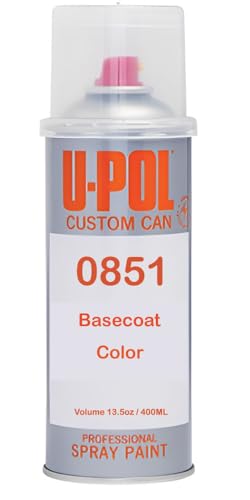
Note: While not resin-specific, this color-matched aerosol basecoat demonstrates how professionals achieve uniform color bases with precise tones, which can inform color-matching practices in resin studios. In color-flow resin projects, understanding how base tones influence final appearance helps artists plan swirls and layer sequences. The product emphasizes high-gloss finish and durable coverage, aligning with studio standards for smooth, even surfaces when used in compatible applications.
ShineOnAngel Jesus Statue — Hand Painted

This item is included to illustrate the broader range of resin-studio related decor and accent pieces that creators may incorporate into display shelves or photography backdrops for resin art. Hand-painted detailing and a bold base design can inspire color-matching considerations and presentation ideas for finished resin projects. It provides context for how color and form interact in a studio environment, though it is not a core resin-processing product.
Buying Guide: Key Considerations For Color-Flow Resin Studio Purchases
- Working time and viscosity: For color-flow techniques, low-viscosity materials that still have some body help you achieve smooth pours without running too fast or pooling unevenly.
- Clarity and UV stability: Crystal-clear epoxy that resists yellowing ensures long-term vibrancy of color layers in resin pieces and river tables.
- Tinting options: Use pigments, acrylic inks, and alcohol-tink fonts to tint resins. Check compatibility with your resin system to avoid separation or reduced cure quality.
- Safety and certification: AP-certified paints and safe-to-use products are crucial for home studios and classrooms. Always follow ventilation and handling guidelines.
- Tinting compatibility: Some pigments are best added before cure; others work well in post-cure finishing. Test swatches can prevent unwanted color shifts.
- Volume and scalability: Start with smaller kits for experiments and scale up to larger batches for river tables or multiple coasters. This approach minimizes waste and cost.
- Surface compatibility: Ensure resins use on your chosen substrate (wood, plastic, metal) to prevent adhesion issues or finishes that may peel over time.
- Color layering strategy: Plan layers and timing to achieve desired depth, including interleaving translucent and opaque hues for dynamic effects.