Choosing the right low fire ceramic clay can influence the ease of use, workability, and final results for wheel throwing, hand building, and sculpture. This article highlights five top options that are suitable for beginners through advanced artists, focusing on plasticity, texture, and safety. Each product is described with its strengths, ideal uses, and what to expect during firing at low temperatures. Use the buying guide at the end to compare texture, firing ranges, and handling preferences to select the best clay for your projects.
| Product | Type | Approx. Size | Best For |
|---|---|---|---|
| Old Potters Low Fire Pottery Clay White | Low fire clay | 10 lbs | Beginner to advanced, wheel throwing |
| Deouss 5 lbs Low Fire Pottery Clay | Low fire terra cotta | 5 lbs | Hand building and sculpting |
| AMACO Low Fire Clay White No. 25 | Low fire clay | 25 lbs | Large projects, wheel throwing |
| TORISING 5Lbs Low Fire Stoneware Clay | Low fire white stoneware | 5 lbs | Wheel throwing and hand building |
| Old Potters Low Fire Pottery Clay Terra Cotta | Low fire terra cotta | 10 lbs | Beginners and sculpting |
Old Potters Low Fire White Clay, 10 Lbs
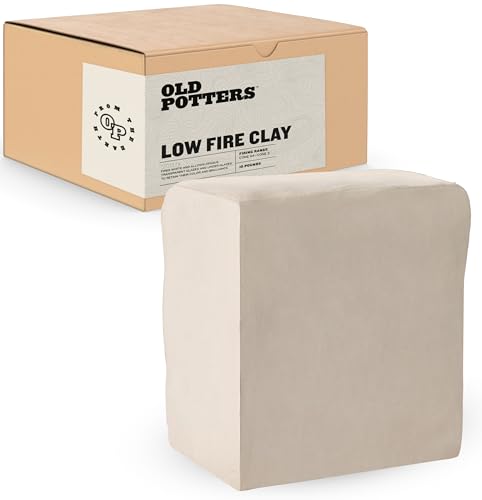
The Old Potters Low Fire White Clay stands out for its smoothness and strong plasticity, making it well suited for both wheel throwing and hand-building projects. Made in the USA, this clay emphasizes non-toxicity and reliability, which is important for artists working with children or practicing beginners. The packaging indicates a versatile cone range that supports a variety of soft, workable forms as you shape and refine your pieces. This clay is designed to stay workable through sessions, allowing for slices, cuts, and sculpting without excessive cracking or drying shrinkage.
Ideal uses include modeling figures, sculptural studies, and functional wares. The clay’s moist texture supports detailed work, from fine lines to broader forms, and it responds well to trimming and smoothing. When firing at low temperatures, expect a consistent glaze acceptance and minimal warping if handled with proper moisture control. For best results, keep the workspace evenly humidified and wrap unused portions to prevent dryness.
Deouss 5 Lbs Low Fire Pottery Clay Teracotta

Deouss offers a natural red terra cotta clay that emphasizes strong plasticity and smooth molding. The kaolin-based composition provides a fine texture that is easy to work with for hand-building projects and small-scale sculpture. This low fire clay is designed to be non-sticky and user-friendly, reducing the effort required to detach pieces during drying and shaping. Its non-toxic and environmentally friendly profile makes it a practical choice for classrooms or studio spaces shared with other artists.
For beginners, this clay supports straightforward hand-building techniques and simple wheel-throw attempts. More advanced users can explore sculptural forms and surface treatments with confidence. Firing guidance suggests bisque to cone 04 followed by glaze firing to cone 06 to achieve stable results while preserving the clay’s color and texture. Monitor moisture levels carefully to avoid cracking on larger forms.
AMACO Low Fire White Clay No. 25, 25 Lbs

AMACO’s Low Fire White Clay No. 25 provides a substantial 25-pound batch suitable for larger projects and frequent practice sessions. The clay emphasizes excellent plasticity, making it easier to throw larger pieces or assemble complex hand-built forms. Its workspace performance is reliable across sessions, providing predictable shrinkage and workable dryness. This makes it a favorite for school programs and makers who regularly produce multiple pots, tiles, or sculptural studies in one session.
Users should expect consistent behavior during shaping and trimming, with smooth surfaces that take glazes well at low-fire temperatures. The clay’s white color provides a bright base for glaze experiments and underglaze layering. For best results, maintain even moisture in the bag and wrap leftovers, preventing surface dryness that can hinder carving or slip attachment on subsequent sessions.
TORISING White Stoneware Low Fire Clay, 5 Lbs

TORISING’s 5-pound white stoneware clay is versatile for both wheel throwing and hand building, supporting forms fired to cone 04-06. The kaolin-based composition yields a refined texture with strong plasticity, which helps craftspeople maintain control during shaping and detailing. The clay is non-toxic and environmentally mindful, aligning with safety standards for studios and classrooms. Its consistent texture supports reliable outcomes across a range of projects, from mugs to sculptural reliefs.
Because it targets low-fire stoneware temperatures, this clay is well-suited for beginners who want to explore glaze combinations and surface textures without stepping up to higher-fire glazes. As with other low-fire clays, keep pieces well wedged and monitor drying times to prevent warping or cracking on larger pieces. The result is smooth, even surfaces ready for glaze or decorative finishes after firing.
Old Potters Terra Cotta Low Fire Clay, 10 Lbs

This terra cotta option from Old Potters mirrors the brand’s emphasis on accessibility and safety, offering a plastic, easy-to-handle clay suitable for a wide range of activities. The terracotta color provides a warm base that can be glazed or left natural for earthy finishes. The clay’s plastic nature supports a broad spectrum of techniques, including wheel throwing, hand building, and sculpting, with a forgiving drying process for beginners and seasoned artists alike.
Its low-fire compatibility makes it a practical choice for classroom demonstrations and home studios. When used for wheel throwing, pieces tend to gain a gentle, natural warmth during firing, with the potential for rich glaze interactions at cone 04-06. As with all low-fire clays, moisture management is key to success—wrap unused portions and avoid extended exposure to drafts that can dry out surfaces too quickly.
Buying Guide: Key Considerations For Low Fire Ceramic Clay
- Firing Range and Compatibility: Most low-fire clays fire between cones 04 and 06, with some variants designed for cone 04-04 or 04-06. Choose clay that aligns with your kiln capabilities and glaze program to ensure predictable results and color outcomes.
- Plasticity and Texture: Plasticity affects how easy the clay is to shape, whether you’re throwing on a wheel or building by hand. Kaolin-based clays tend to offer a smooth, uniform texture and good plasticity, which reduces cracking during shaping and drying.
- Safety and Material Quality: Look for non-toxic, food-safe considerations if you plan to create functional wares. USA-made options often emphasize safety and quality control, which can be important for educational settings and long-term studio use.
- Workability and Moisture Management: Low-fire clays can dry out quickly or become sticky if not stored properly. Choose clays with forgiving drying behavior and store them in sealed containers or plastic bags with moisture retention to maintain workability between sessions.
- Project Type: For big projects or classroom use, larger bag sizes (like 25 lbs) can be cost-effective and convenient. For sculptural studies or small pieces, 5–10 lb packages may be more practical and easier to manage.
- Color and Glaze Potential: Terra cotta and white clays provide different glaze and color outcomes. If you plan to experiment with surface finishes, consider base color and glaze compatibility with your firing schedule.
- Texture Consistency Across Batches: Some brands maintain consistent texture and shrinkage across batches; others may vary. If you’re building a series, test a small batch first to ensure uniform results.
Additional Considerations And Practical Tips
- Storage: Wrap clay portions to prevent drying, and seal bags tightly after each session. Store in a cool, dry place away from direct sunlight.
- Moisture Testing: If clay feels overly stiff, you may need to re-wedge it or add a small amount of water until workable. Avoid adding too much water, which can weaken the structure.
- Joining Techniques: Slip and score is a reliable method for attaching new pieces to existing work. For larger joins, score deeply and use an appropriate amount of slip to create a strong bond.
- Surface Finishes: Low-fire glazes can produce varied finishes. Test glaze applications on a small tile first to assess color and texture before committing to a full piece.
- Safety and Ventilation: Work in a well-ventilated area when firing and during glazing. Follow kiln manufacturer guidance for safe operation and heat management.