Sewing machine check springs play a critical role in maintaining proper thread tension and stitch quality. When these springs wear out or become misadjusted, you may see uneven stitches, skipped loops, or thread breakage. The following selections are common replacement parts designed for a range of domestic and industrial machines. This guide highlights reliable options, compatibility notes, and key features to help you choose the right check springs for your sewing needs.
| Product | Brand | Notable Features |
|---|---|---|
| TorSor 10 Pack Sewing Machine Check Spring Replacement | TorSor | Metal springs; 9×9.6 mm; 10-pack |
| YEQIN Industrial Sewing Machine Tension Spring, Check | YEQIN | Will fit multiple brands, broad compatibility |
| SG Store 4 Pieces Industrial Sewing Machine Tension Spring | SG Store | Compatibility with multiple brands; durable iron with black coating |
| Cutex Thread Tension Check Spring for Singer | Cutex | Set of 6; Part #52394; broad Singer model compatibility |
| YEQIN 6pcs Thread Tension Springs for Singer 15-88, 15-90, 15-91 | YEQIN | Includes beehive spring; specific Singer models |
TorSor 10 Pack Sewing Machine Check Spring Replacement
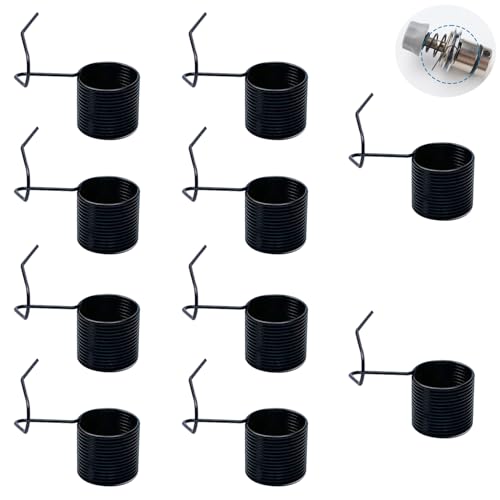
The TorSor set provides ten metal check springs sized at 9×9.6 mm (0.35×0.38 inch), designed to replace common tension check components across various industrial and domestic machines. The multi-pack format is convenient for maintenance cycles or replacing worn springs in a busy workshop. The metal construction aims for durability under regular use, and the compact dimensions support compatibility with small needleplates and tight tension chambers. Use these springs to stabilize thread flow and help prevent tension-related sewing issues, especially when working with lighter or mid-weight fabrics that demand precise tension adjustment.
Key considerations include ensuring the springs match your machine’s tension assembly size and checking whether your model uses a standard 9×9.6 mm configuration. If your unit experiences frequent tension fluctuations or occasional thread loops, replacing with a fresh set can improve stitch consistency. As with any replacement part, consult your machine’s service manual for exact specifications and safe installation steps to avoid damage to the tension system.
YEQIN Industrial Sewing Machine Tension Spring, Check

YEQIN’s tension spring is marketed for industrial machines and lists broad compatibility, including Brother, JUKI, and other major brands. The emphasis on “Will Fit” suggests an adaptable spring with a design suitable for common tension assemblies found in many sewing machines. For shop use or replacement projects where standardization across multiple machines is valued, this option provides a flexible approach to maintaining consistent thread tension. When installing, verify that the spring’s stiffness and length align with your machine’s tension mechanism to achieve smooth thread delivery and even stitches.
Industrial environments often require durable components that resist fatigue under continuous operation. The YEQIN spring is described to support stable thread tension, helping to minimize skipped stitches and thread breaks. To maximize performance, pair the spring with proper needle and thread sizing appropriate to your fabric and project type. For detailed compatibility, refer to your machine’s model guidance or consult a service technician if you are uncertain about fitment.
SG Store 4 Pieces Industrial Sewing Machine Tension Spring

SG Store offers a four-piece set of industrial tension springs designed to fit a range of brands, including BROTHER, JUKI, Singer, Janome, and Toyota among others. The springs are iron with a black surface coating, conveying durability and resistance to wear. The description highlights high elasticity and fatigue resistance, which translates to better long-term stability in the sewing process. These springs aim to stabilize and optimize thread tension, reducing issues like skipping, breaking, or uneven stitches. For busy production lines or shared workshop spaces, having a small reserve of compatible tension springs helps minimize downtime during maintenance.
When selecting this option, consider your most common machine models and whether you frequently switch between brands. While the product claims broad compatibility, the exact fit may depend on the tension assembly style and spring length. Proper seating within the tension mechanism is essential for consistent performances, so follow installation guidelines closely and test stitch on a scrap fabric before resuming production.
Cutex Thread Tension Check Spring for Singer Models

This Cutex set includes six tension check springs designed for Singer sewing machines and lists multiple compatible Singer models, including 185, 185K, 188, 192K3, 206, 206K, 206K42, 206K43, 206W, 251-2, 306K, 306W, 319, and more. The wide model compatibility makes it a practical choice for households with older and newer Singers alike. The kit’s specification emphasizes tension stability to help prevent thread slippage or uneven stitches. For best results, ensure the model numbers align with your machine and replace springs in pairs if both top and bottom tension components show wear.
As with any tension spring replacement, verify the installation orientation and tension setting after replacement. Keep in mind that Singer models with unique tension configurations may require adjustment to achieve balanced stitches. If your machine exhibits persistent tension irregularities, it could indicate other worn components in the shuttle or feed system, not only a spring issue. A systematic diagnostic approach will yield the most reliable results.
YEQIN 6pcs Thread Tension Springs for Singer 15-88, 15-90, 15-91

YEQIN offers a six-piece set specifically for Singer models 15-88, 15-90, and 15-91, including a beehive spring alongside standard tension springs. This pairing can be advantageous for users who want to address both the tension check and auxiliary beehive components often involved in consistent thread delivery. If you own these Singers or operate similar mid-range models, this kit provides a targeted option to restore stable tension and reduce irregularities in stitches. Follow model-specific guidance when replacing and fine-tune tension settings after installation for optimum results.
Cutex 3 Thread Take Up Check Springs for Consew 206RB, 225, 226

Cutex presents three take-up check springs designed for Consew models 206RB, 225, and 226, expanding beyond Singer-focused replacements. Take-up springs are essential in maintaining consistent lift and stroke timing in the take-up lever, which directly impacts stitch formation. A set of three provides a buffer for replacements during routine maintenance or adjustments when multiple parts show wear. When replacing, ensure the springs align with the take-up mechanism’s mounting points and test stitches on waste fabric to confirm smooth feeding and balanced tension across the sewing range.
While this option targets specific Consew models, it’s helpful to verify your machine’s exact take-up lever and spring dimensions to avoid fit issues. Consistent maintenance of the take-up system supports even feed and prevents puckering on delicate fabrics or heavy layers. If you notice skipped stitches or thread loop issues, inspect the entire tension path, including thread guides and needle bar, in addition to the springs themselves.
Sewing Machine Check Spring 620508003S

Generic 620508003S check springs target specific simplicity models, including the SL1270 and SL1220 families. These check springs are described to fit models SL1270 and SL1220/1270 in the described series, making them relevant for owners of those simplicity machines seeking a straightforward replacement option. Compatibility is central to this product’s value, especially for hobbyists or small shops that maintain a variety of models. Installation should be done with care to ensure proper seating and tension balance, followed by stitching tests to detect any residual tension irregularities.
When evaluating this option, confirm your machine’s exact model variant and compare the spring dimensions to avoid mismatches. If you own multiple sewing machines within the simple or domestic range, maintaining a small library of interchangeable springs can help you respond quickly to tension-related issues without downtime. As always, combine spring replacement with a broader tension system check to ensure consistent results across fabrics and stitch patterns.
Cutex Tension Check Spring for Singer 221 Featherweight

The Cutex option focuses on Singer 221 Featherweight along with models 201, 201-2, 221 Featherweight, 222, and 301. This set is tailored to classic Singer platforms, which remain popular in many hobbyist circles and small repair shops. Replacement springs may help restore older machines that have developed tension drift over time. The compatibility claim supports a broad range of Singer models, which is valuable for owners maintaining vintage units. When installing, align the spring orientation with the original configuration and run a test stitch to verify even tension and stable stitch formation across seams.
For machines with long service histories, it’s prudent to inspect the entire tension path and related components in addition to the new springs. Given that tension irregularities can stem from worn guides or shuttle timing issues, a comprehensive checkup ensures the best possible restoration of stitch quality. This product line provides an economical route to refreshing a key tension element without extensive parts shopping.
Buying Guide: Key Purchase Considerations And Comparisons
- Compatibility: Check your machine’s exact model and brand compatibility. Some springs are designed for specific Singer, Brother, JUKI, or Consew models, while others claim broad compatibility. Confirm dimensions, fitment, and mounting points before purchasing.
- Spring Type And Stiffness: Tension springs come in various stiffness and lengths. A spring that is too stiff can cause thread breakage or tension over-tightening; one that is too lax may not hold consistent tension. Match the spring’s intended tension range to your fabric weight and thread type.
- Usage Context: Industrial or lightweight domestic machines have different demands. If you operate a busy shop, consider multi-pack options to cover replacements across several machines or frequent servicing cycles.
- Material Quality: Metal springs with corrosion-resistant coatings tend to offer longer service life in humid or workshop environments. Durable coatings can reduce wear at the mounting points.
- Installation And Safety: Follow your model’s service manual for removal and installation steps. Always unplug the machine before maintenance and test stitches on scrap fabric after replacement to ensure proper tension and stitch balance.
- Testing Strategy: After replacement, run varied stitches (straight, zigzag, and any decorative patterns you commonly use) on a scrap fabric to confirm even tension across stitches and seams. Check for skipped stitches, looping, or bird-nesting signs.
- Maintenance Integration: Consider replacing tension springs as part of a broader tension-path inspection, including thread guides, take-up lever, needle plate, and shuttle timing. This holistic approach reduces the chance of recurrent tension issues.
- Budget And Availability: Sets with multiple springs provide good value for workshops. If you only need a single replacement, look for models indicating compatibility with your exact machine number and model family to avoid overbuying.
In sum, choosing the right sewing machine check spring involves validating model compatibility, understanding the tension demands of your typical fabrics, and ensuring robust build quality. Using well-matched springs will promote steadier thread tension, smoother stitching, and longer component life. Maintain a routine inspection so that tension-related issues are addressed promptly, maintaining optimal sewing performance across projects.