Choosing the right egg carton packaging material can affect shelf life, transportation ease, and consumer perception. This guide highlights top options that balance durability, sustainability, and cost, drawing on popular bulk and flat-packed choices. Each product below is suitable for storing eggs securely, whether on a farm, at a farmers market, or in a home kitchen. Compare materials, capacity, and reuse potential to decide which carton best fits your operation.
| Product | Brand | Capacity | Material |
|---|---|---|---|
| MT Products Blank Natural Pulp Egg Cartons | MT Products | 12 eggs | Natural recycled pulp |
| MT Products Pulp Fiber Egg Flat Cartons | MT Products | 30 eggs | Biodegradable pulp fiber |
| Stromberg’s Large Blank Flat Top | Stromberg’s | 100 cartons per pack | Recycled materials |
| LEI Packaging Paper Pulp Flats | LEI Packaging | 15-pack, 30-cell trays | 100% recycled paper |
| Dubtnion 20 Pack Egg Cartons | Dubtnion | 6 eggs per carton | Natural pulp material |
MT Products Blank Natural Pulp Egg Cartons
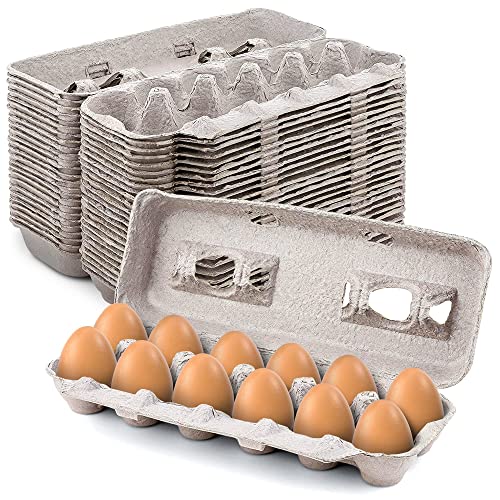
These rustic cartons hold up to a dozen eggs and are designed for bulk storage. The exterior offers a classic farm-friendly look, while the interior protects eggs from impact. The packaging uses recycled pulp material that helps absorb humidity, keeping eggs dry and fresh. The cartons are sturdy enough for transport and lifting, and are reusable for multiple uses. The label clearly notes “EGGS ARE NOT INCLUDED” to prevent confusion at points of sale or storage.
Key features: up to 12 eggs per carton; recycled pulp construction; humidity-absorbing material; durable and reusable; secure lid for daily use. These cartons are ideal for storing extra eggs at home, on a farm, or for bulk purchases at markets.
MT Products Pulp Fiber Egg Flat Cartons
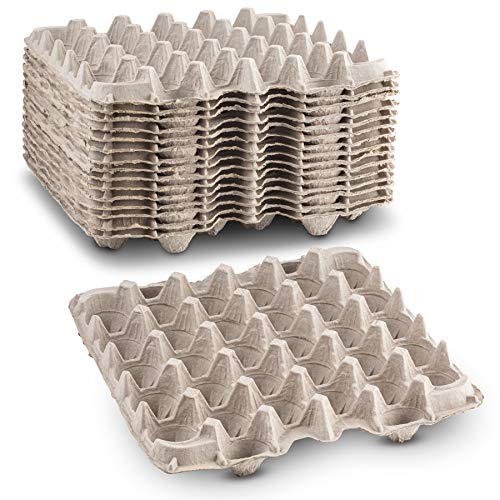
This carton line is built to hold up to 30 eggs and is designed for scenarios with larger egg yields—such as farms or Duck eggs. The pulp fiber material provides solid support with a focus on durability and weight resistance, helping prevent breakage during transport. It emphasizes reusability and a strong, tear-resistant profile compared to some standard store-brand options.
Key features: extra-large capacity (30 eggs); biodegradable pulp fiber; robust construction; reusable design; strong protection during handling.
Stromberg’s Large Blank Flat Top Egg Cartons

Stromberg’s cartons are designed for personalization and market branding. The large flat tops provide ample surface area for logos, farm names, or art, making them popular with farmers and crafters who sell directly to consumers. Made from recycled materials, they are biodegradable and align with eco-conscious purchasing. The bulk pack supports higher-volume operations, reducing restock frequency.
Key features: personalization-ready; eco-friendly and biodegradable; large pack suitable for farms and craft markets; made from recycled content; visually appealing for branding.
LEI Packaging Paper Pulp Flats – 15-Pack

Made in the USA, these 30-cell trays come from a company that manufactures its own egg flats. The 100% recycled paper material emphasizes sustainability while offering durable, stackable storage options. Direct-from-maker sourcing can help ensure consistent quality and value. The design focuses on reliable performance for everyday egg storage needs.
Key features: USA-made; recycled paper; direct-from-maker supply; durable and stackable; suitable for multi-use packaging needs.
Dubtnion 20 Pack Egg Cartons

A bulk option featuring 6-count cartons, designed for families and small businesses that require a dependable, economical packaging solution. The cartons use sturdy natural pulp to safeguard eggs during storage and transport. The design supports multiple uses, enabling repeated use while maintaining carton integrity.
Key features: bulk 20-pack; six-egg capacity per carton; sturdy natural pulp; reusable; reliable protection for eggs during handling.
Buying Guide
Material and Sustainability
Consider whether you prefer recycled paper, pulp pulp fiber, or clear PET plastic depending on your market and storage environment. Paper-based options are generally more sustainable and biodegradable, while PET can offer better moisture resistance and durability for long-term display or transport.
Capacity and Use Case
Match carton capacity to your supply. Farms harvesting large numbers may benefit from 30-egg flats, while home storage or small-scale markets can rely on 6-12 egg cartons. Bulk packs reduce restocking frequency but require adequate storage space.
Durability and Protection
Look for cartons with solid inner dividers and reinforced lids to minimize breakage. Pulp fibers and pressed fiber blends often strike a balance between strength and recyclability. For high-humidity environments, humidity-absorbing materials help keep eggs fresh.
Brand and Sourcing
Consider makers that provide direct-from-provider options or bulk discounts. If branding matters, flat-top designs offer additional surface area for logos and market messaging, enhancing shelf appeal and consumer trust.
Regulatory and Labeling Considerations
Some markets prefer cartons with clear nutrition or handling information. If you sell in regulated markets, choose cartons that support labeling requirements while maintaining recyclability.
Overall, the right egg carton packaging material combines durability, cost-effectiveness, and environmental responsibility. For many operations, a mix of pulp-based flats for bulk storage and flatter, branded designs for market presentation covers both logistical and consumer-facing needs.