Discover top carbon fiber paint and repair kits that deliver a forged carbon look across metal, plastic, and composite surfaces. This guide highlights five reliable options, detailing what each kit includes, how it performs, and what to consider when choosing the right one for repairs, customization, or small builds.
| Product | Brand | Highlights |
|---|---|---|
| Dupli-Color CFK100 Carbon Fiber Kit | Dupli-Color | Easy to apply; chip and fade resistant; suitable for metal and plastic |
| Krbnk 5FT Carbon Fiber Repair Kit | Krbnk | 5 ft cloth; complete epoxy system; UV resistant |
| YOTEBLE Carbon Fiber Repair Kit | YOTEBLE | 3K 200g cloth; 2:1 mix; long-lasting durability |
| Lanstics 5FT Carbon Fiber Repair Kit | Lanstics | All-in-one set; includes gloves, brushes, and sandpaper |
| Krbnk 6.6FT Carbon Fiber Repair Kit | Krbnk | 6.6 ft cloth; UV resistant; strong, durable finish |
Note: All products listed are designed for DIY repairs and surface restoration, providing carbon fiber aesthetics or structural reinforcement on automotive, marine, furniture, and other projects.
Dupli-Color CFK100 Carbon Fiber Kit
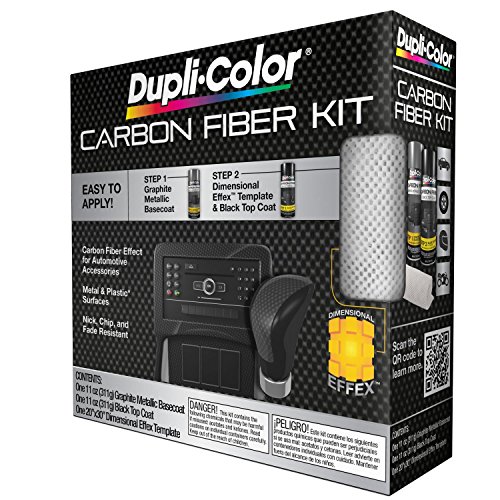
The Dupli-Color CFK100 kit is designed for easy application on metal and plastic surfaces, delivering a carbon fiber appearance with chip and fade resistance. Its workflow typically involves preparing the surface, applying the base paint, and finishing with a clear coat to lock in the look. The kit emphasizes compatibility with common automotive substrates and is intended for hobbyists and professionals seeking quick, reliable results without complex equipment. The included formulation is optimized to resist wear and UV exposure, contributing to a longer-lasting finish on exterior panels or interior trim accents.
Krbnk 5FT Carbon Fiber Repair Kit

This kit provides a complete carbon fiber repair package that includes a 5-foot cloth, epoxy resin, hardener, measuring cups, mixing sticks, and gloves. The carbon fiber fabric is designed for high strength and low density, with a 2:1 mix ratio and UV resistance to protect repairs from sunlight exposure. It is suitable for bonding and reinforcing automotive parts, furniture, and other projects, offering a durable, glossy finish after curing. The kit emphasizes long-term stability and resistance to heat and corrosion, making it a strong option for structural repairs.
YOTEBLE Carbon Fiber Repair Kit

YOTEBLE’s kit centers on a 3K 200g carbon fiber cloth paired with epoxy resin and a 2:1 hardener mix. It emphasizes seamless repairs with a focus on high-temperature resilience and stability, making it suitable for automotive, marine, and outdoor applications. The included brushes and measuring tools support even application, while the resin system cures into a rigid layer that helps prevent yellowing and degradation from sun exposure, contributing to a durable, long-lasting aesthetic.
Lanstics 5FT Carbon Fiber Repair Kit

Lanstics offers a complete, ready-to-use carbon fiber repair set with everything needed for a professional-grade repair: a 5-foot cloth, resin, hardener, measuring cups, sticks, disposable gloves, brush, and sandpaper. The kit is designed to ensure deep penetration and a high-gloss finish that blends with original surfaces. Ease of use is highlighted through pre-measured components and a straightforward mixing process, making it suitable for beginners and experienced builders alike.
Krbnk 6.6FT Carbon Fiber Repair Kit
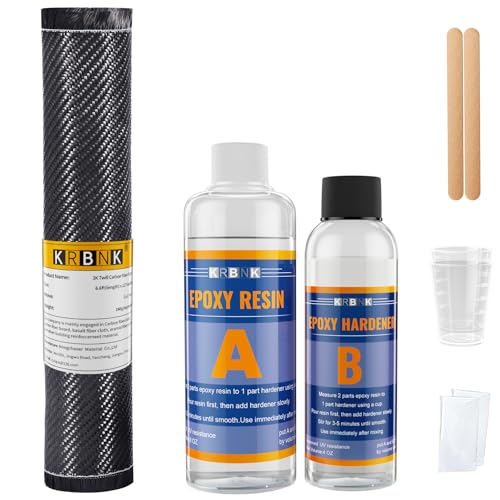
This Krbnk kit expands to 6.6 feet of carbon fiber cloth, packaged with resin, hardener, measuring cups, sticks, and gloves. It emphasizes high-strength, low-density fabric with a 2:1 mix ratio and UV resistance for long-lasting repairs. The product line highlights durability and performance, suitable for repairing larger areas on vehicles, boats, or furniture. The kit’s materials are designed to yield a glossy, stable finish after curing, with resistance to heat and environmental exposure.
Krbnk 10FT Carbon Fiber Repair Kit

The Krbnk 10-foot kit provides an extended fabric length for larger repair areas and structural reinforcements. It includes the same reliable resin/hardener system and a 2:1 mix, with UV protection to preserve color and structural integrity over time. The longer cloth length supports more ambitious projects, such as repairing panels, dashboards, or larger components that require a consistent carbon fiber appearance and robust bonding.
Buying Guide: Key Considerations For Carbon Fiber Repair Kits
- Fabric quality and weight: Look for 3K or similar 200–240 g/m² cloth for a good balance of strength and ease of handling. Heavier fabrics can be harder to work with on small parts, while lighter cloth may require more layers.
- Epoxy resin and hardener ratio: Most kits use a 2:1 resin-to-hardener mix. Ensure you have accurate measuring tools and follow the cure times to avoid under- or over-cure issues.
- Substrate compatibility: Confirm whether the kit works on metal, plastic, wood, or composite surfaces. Some kits are tailored for automotive plastic interior panels or exterior metal parts.
- UV resistance and curing: UV-protected resins help prevent yellowing and degradation when exposed to sunlight. Consider UV-stable formulations for outdoor components.
- Finish and appearance: A clear, high-gloss finish helps resemble authentic carbon fiber. Some kits yield more translucent results; test on a scrap piece if possible.
- Comprehensive contents: Check whether the kit includes measuring cups, brushes, gloves, sandpaper, or additional tools. A complete set reduces additional purchases.
- Ease of use and instructions: Step-by-step guidance and clear mixing ratios are crucial for beginners. Look for kits with straightforward workflows and troubleshooting tips.
- Durability and environmental tolerance: Consider resistance to heat, moisture, and chemicals if the repaired part is exposed to harsh conditions or outdoor elements.
- Drying and curing times: Some projects require rapid curing, while others benefit from slower cure to reduce errors. Factor in ambient temperature and humidity.
- Safety considerations: Work in a well-ventilated area, use gloves and eye protection, and follow resin safety data sheets to minimize exposure to fumes and skin contact.