Whether you’re fermenting small-batch experiments or filling bottles for a home cellar, the right wine corks matter. This guide reviews five highly relevant cork options, focusing on material quality, sealing performance, and value for home winemakers. Each product offers a dependable seal to minimize oxygen exposure and maintain wine integrity over time.
| Product | Pack | Size / Fit | Material | Notes |
|---|---|---|---|---|
| FastRack #8 Straight Corks | 100 | 1.73″ x 0.87″ (44 mm x 22 mm) | Natural cork | Economical bulk option with reliable seal |
| FastRack #9 Straight Corks | 100 | 15/16″ x 1 3/4″ | Natural cork | Good for slightly larger bottle mouths |
| FOSUTOU #8 Natural Corks | 50 | 7/8″ x 1 3/4″ | Natural agglomerated cork | Multi-function and decorative options |
| Tebery 100 Pack #8 Natural Corks | 100 | 7/8″ x 1 3/4″ | Oak cork material | Durable, leakproof, standard size |
| Impnit 20 Pack Straight Corks | 20 | 1.73″ x 0.87″ | Oak composite | Eco-friendly and reusable |
FastRack Bag of 100 #8 Corks For Wine Bottles

These tapered, natural corks are designed for standard wine bottles and bulk use. The package includes 100 corks, making them suitable for ongoing projects or replacement needs in home winemaking and crafts. The corks are 100% natural, eco-friendly, and aimed at providing a strong seal to minimize oxygen exposure. Because of their tapered shape, they typically fit snugly into most bottle necks, helping prevent leaks and ensuring a consistent seal across batches.
- Included: 100 pieces, #8 size, tapered for wine bottles
- Natural cork construction; eco-friendly and biodegradable
- Sealing performance aimed at reducing oxygen ingress
FastRack Bag Of 100 #9 Corks For Wine Bottles
This batch includes 100 corks sized for slightly larger bottle mouths, with a 15/16″ by 1 3/4″ profile in a beige finish. The corks are natural and non-synthetic, intended to provide a dependable seal while remaining an economical bulk option for frequent corking. The design supports a robust seal to minimize air exchange, which helps preserve wine quality between bottling and aging.
- Bulk pack: 100 corks, #9 size
- Natural wood material; eco-friendly
- Form factor supports secure, consistent corking
FOSUTOU Natural Corks #8 (50 Pieces)
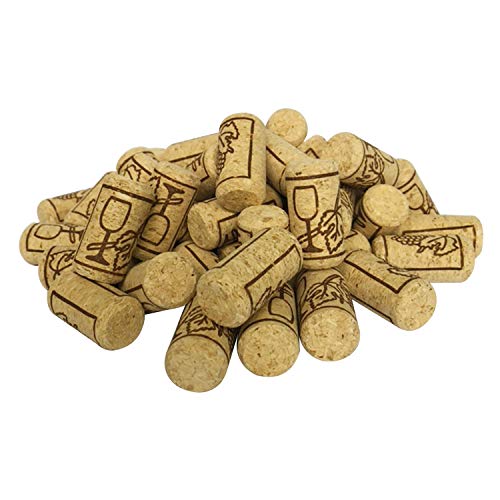
FOSUTOU offers a 50-piece bag of 100% natural agglomerated corks suitable for home wine making and DIY crafts. The corks feature a decorative grape pattern, appealing for craft projects, cork boards, and bottle sealing alike. The natural wood composition supports eco-friendliness and safe use for everyday home winemaking tasks, with an emphasis on multi-functionality beyond bottling.
- Natural agglomerated corks; decorative pattern
- Multi-purpose: wine, beer, crafts, cork boards
- Eco-friendly material; suitable for everyday projects
Tebery 100 Pack #8 Natural Corks
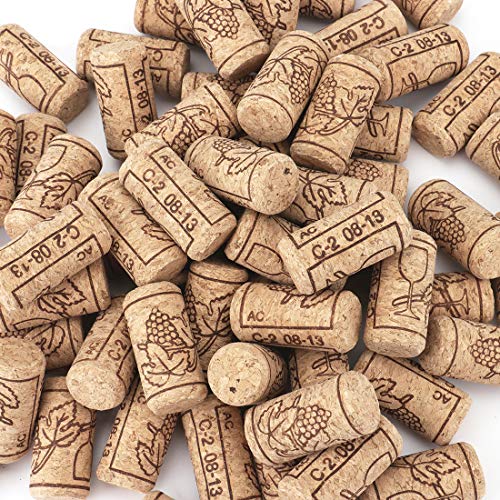
Tebery’s 100-pack of natural corks uses oak-based material to deliver durable, standard-size corks for wine bottles. The corks are designed to provide a tight seal to minimize leakage and keep out dust, ensuring the beverage remains preserved during storage. The set is suitable for multiple uses, including home wine making and craft projects, and emphasizes practical, long-lasting performance.
- 100 corks; size: 7/8″ x 1 3/4″
- Oak material; durable and reliable
- Leakproof design for effective sealing
Impnit 20 Pack Straight Corks

Impnit’s 20-pack features straight, leakproof corks made from oak composite material. Each cork is designed to fit standard bottle necks, providing a secure seal while remaining eco-friendly and reusable. The packaging suits regular home use and small projects, offering a reliable option for hobbyists who value consistent performance without overcommitting to oversized quantities.
- 20 corks; size: 1.73″ x 0.87″
- Oak composite material; eco-friendly
- Leakproof, straight design for strong sealing
Buying Guide: Key Purchase Considerations
When choosing corks for wine making, consider materials, sizing, sealing performance, and intended use. Natural corks provide a traditional seal and are widely used for aging wine, but batch size and bottle neck compatibility matter. Agglomerated corks can be more cost-effective and still offer good sealing for hobby projects, while oak composite corks provide durability and reuse potential. Size and fit affect leakage risk; select corks that correspond to standard bottle neck dimensions in your kit. For decorative or craft-focused applications, corks with patterns or branding can add personality to DIY projects.
Practical tips for selecting corks:
- Match cork size to bottle neck diameter to minimize air ingress and leakage.
- Prefer natural corks for aging or long-term storage; consider agglomerated or oak composite for quick bottling and reuse.
- Consider environmental impact and disposal options; natural corks are biodegradable, while some composites may be reusable but require cleaning.
- Bulk packs are cost-effective for frequent bottling, but ensure you have an appropriate number for planned batches.
- Check storage conditions; corks should be kept dry and free from extreme humidity to prevent drying or swelling.
In summary, the five cork options highlighted here cover a spectrum from budget bulk options to durable, reusable choices. Evaluating bottle size compatibility, sealing needs, and project scope will help you select the best corks for your wine making goals.