Origami is a rewarding hobby for adults, blending precision, patience, and creativity. The following books offer step-by-step instructions, diagrams, and inspirational ideas suitable for those who want to deepen their paper-folding skills. This guide highlights five highly regarded titles that cover traditional techniques, complex models, and practical origami projects. Each entry includes a direct link to Amazon for quick access to purchasing details.
Summary of chosen products
| Book | Author/Publisher | Highlights |
|---|---|---|
| Amazing Origami Kit: Traditional Japanese Folding Papers and Projects | Tuttle Publishing | 144 papers, 17 projects, beginner-friendly folding papers |
| The Complete Book of Origami | Dover Publications | 1000+ diagrams, 37 models, broad technique coverage |
| The Encyclopedia of Origami Techniques | Search Press | Fully illustrated guide, comprehensive technique encyclopedia |
| Easy Origami | Dover Publications | Over 30 simple projects, accessible entry point |
| Amazing Origami Boxes | Dover Publications | 20 box models, practical and decorative designs |
Amazing Origami Kit: Traditional Japanese Folding Papers and Projects

The Amazing Origami Kit combines traditional Japanese folding papers with practical projects, enabling learners to practice core techniques while constructing a curated set of models. The included papers are of a quality suitable for beginners and intermediate folders, and the project list offers a logical progression from simple to more complex forms. This book emphasizes traditional aesthetics and reliable folding conventions, making it a solid choice for home libraries and study groups alike.
The Complete Book of Origami
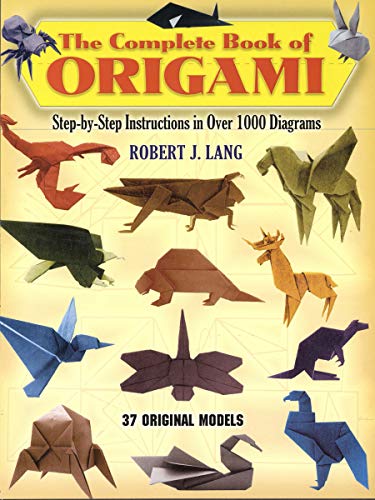
Dover’s The Complete Book of Origami is a comprehensive resource featuring more than 1000 diagrams and 37 original models. It covers a broad spectrum—from traditional animal forms to stylized geometric pieces—making it a versatile reference for both beginners and experienced folders. Clear step-by-step instructions and accessible diagrams help readers master complex folds while expanding their repertoire of origami techniques.
The Encyclopedia of Origami Techniques

The Encyclopedia of Origami Techniques serves as an in-depth reference, compiling a wide range of methods used across modular, wet-folding, and traditional folds. This fully illustrated guide provides diagrams, tips, and variations to help readers understand why certain folds work and how to adapt patterns. It’s well-suited for artists seeking a structured, technique-first approach to origami mastery.
Easy Origami
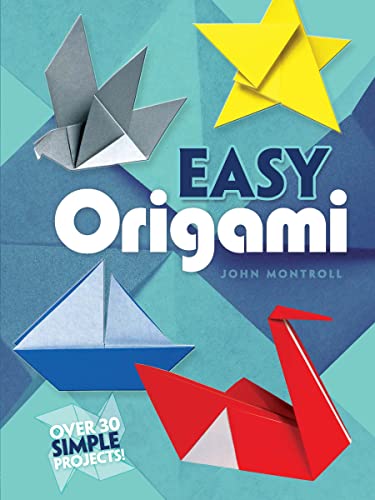
Easy Origami emphasizes accessible, quick-to-learn models, making it a practical pick for new folders and busy adults who want satisfying results with minimal setup. The book features more than 30 simple projects designed to teach fundamental folds and sequencing. It’s a good stepping stone before tackling more intricate kits or advanced techniques.
Amazing Origami Boxes
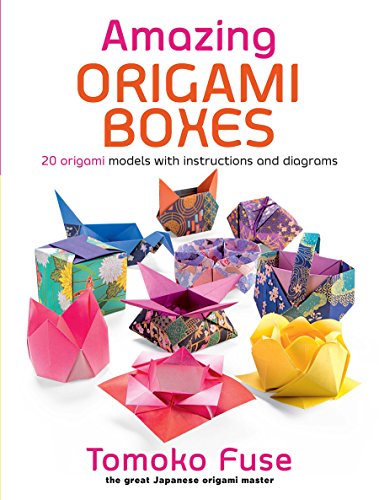
Amazing Origami Boxes offers 20 original box designs with clear diagrams and practical applications. While focused on containers, the book demonstrates precision folding, symmetry, and structural planning—skills transferable to a wide range of origami forms. For crafters who enjoy both display pieces and functional objects, this title provides a satisfying set of projects and technique refinements.
Buying Guide
Key considerations when choosing origami books for adults include your current skill level, learning style, and the types of models you prefer. For beginners, titles that emphasize simple projects and a low barrier to entry help build confidence and technique. More advanced readers benefit from comprehensive diagram libraries, technique encyclopedias, and books that explore modular or wet-folding methods. Consider whether you want a broad reference (many diagrams and models) or a curated collection focused on specific outputs, such as boxes or animals.
Diagram clarity and instruction style matter. Some readers prefer step-by-step photo sequences, while others rely on concise diagram sets with numbered folds. A fully illustrated technique reference can be invaluable when approaching unfamiliar folds, while project-focused books provide practical kits and step lists that promote consistent results. Quality paper and paper type recommendations in a book, especially for beginners, help prevent tearing and improve crease accuracy.
Project variety is another factor. If you enjoy a mix of traditional origami and contemporary twists, seek books that blend classic models with innovative designs. If you’re drawn to functional objects like boxes, choose titles with a dedicated section or multiple box variations. Finally, consider the book’s production quality, binding, and whether it includes supplementary online resources or printable diagrams for convenience.
In summary, for adults exploring origami, pairing a comprehensive reference with a curated project collection offers both technique development and hands-on practice. The five selections above provide a spectrum from beginner-friendly to technique-forward, ensuring that readers can expand their skill set while enjoying engaging, tactile projects.