Choosing a reliable second-hand embroidery machine can save you money while unlocking a world of creative stitching. This guide highlights five strong options from trusted brands, focusing on machines that balance embroidery capability, ease of use, and expandability. Each option includes wireless transfer, sizable embroidery fields, and a range of built-in designs to help you start projects quickly. Use the buying guide to compare features and decide which machine best fits your skill level and project needs.
| Product | Brand | Hoop Size | Key Features |
|---|---|---|---|
| Brother SE700 Sewing and Embroidery Machine | Brother | 4″ x 4″ | Built-in designs, wireless transfer, 3.7″ touchscreen, multiple feet |
| Brother PE545 Embroidery Machine | Brother | 4″ x 4″ | 4″ x 4″ field, large LCD, USB port, wireless transfer |
| Poolin EOC06 Embroidery Machine | Poolin | 7.9″ x 11″ | 7.9×11 embroidery area, wireless transfer, multiple hoops |
| Poolin EOC05 Embroidery Machine (4″x4″ & 4″x9.25″) | Poolin | 4″x4″ and 4″x9.25″ | Two embroidery areas, 7″ touchscreen, WiFi transfer |
| Brother PE900 Embroidery Machine | Brother | 5″ x 7″ | 5×7 embroidery field, wireless transfer, apps for designs |
Note: All models listed support some level of wireless or USB pattern transfer and include a mixture of built-in designs and fonts. Availability and condition can vary in the second-hand market; confirm the machine’s working status, included accessories, and service history before purchase.
Brother SE700 Sewing and Embroidery Machine
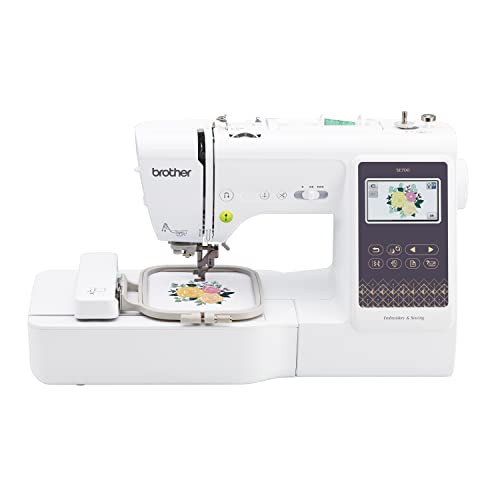
The SE700 merges sewing and embroidery in one compact unit, ideal for hobbyists and beginning sewists expanding into embroidery. It features 135 built-in embroidery designs and a 103 built-in stitches set, with a 4″ x 4″ embroidery area and a user-friendly 3.7″ touchscreen. Wireless LAN lets you transfer designs from a PC via Design Database Transfer or through USB, while the ARTSPIRA app enables pattern creation on mobile devices and wireless transfers. The machine ships with multiple feet for various stitches and appliqué work, enabling quick project setup.
Key considerations for this model include the balance of built-in designs versus the need for external pattern libraries, the ease of wireless transfers, and the learning curve of sewing and embroidery in a single machine. The SE700 is best for crafters who want an all-in-one solution with straightforward connectivity and a broad design catalog.
Brother PE545 Embroidery Machine
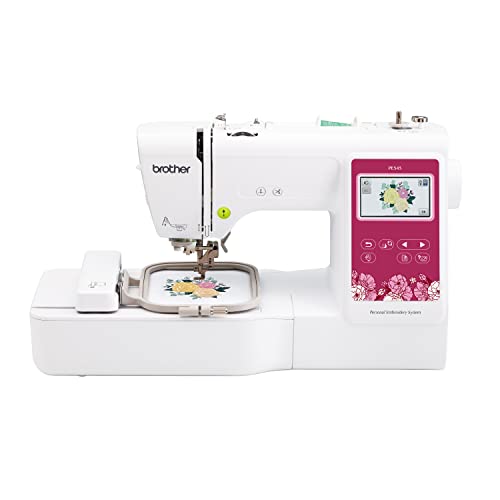
The PE545 emphasizes a spacious embroidery field with a 4″ x 4″ hoop and a large 3.7″ LCD touchscreen for easy navigation. It includes 135 built-in designs and 10 font styles, along with a USB port for file transfers. Wireless transfer via Design Database Transfer enhances workflow, allowing pattern updates from a PC or mobile device. This machine is well-suited for users who want a dedicated embroidery experience with clear, accessible controls and solid design options.
Considerations include the sufficiency of the 4″ x 4″ embroidery area for larger projects and how often you will rely on external design downloads. The PE545 is a good fit for users seeking a straightforward, compact embroidery solution with reliable connectivity.
Poolin EOC06 Embroidery Machine

The Poolin EOC06 offers a large embroidery field of 7.9″ x 11″, with a 7″ touchscreen for intuitive operation. It is designed for beginners through to those pursuing small business projects, featuring wireless LAN and USB transfer to quickly load designs. The machine ships with 200 built-in designs and four hoops to enable a mix of small and large projects, including items like bags, hats, and home décor. It emphasizes after-sales support through a dedicated user group and YouTube tutorials, which can be valuable for new users.
Considerations include the breadth of embroidery space versus the machine’s learning curve and the availability of training resources. For users with larger design work or a desire to scale production, the EOC06 presents a robust option with flexible transfer options.
Poolin EOC05 Embroidery Machine (4″x4″ & 4″x9.25″)

The EOC05 provides two embroidery areas—4″x4″ and 4″x9.25″—to support both small and larger designs. It includes a 7″ touchscreen and WiFi transfer (via Poolin’s i2 system) to streamline design loading. With 130 built-in embroidery designs and 207 sewing stitches, this model suits users who want a versatile machine capable of both sewing and embroidery, plus a starter kit with essential accessories. The self-contained training and 1-on-1 guidance aim to reduce the learning curve for beginners.
Considerations include the balance between the two embroidery fields and how often you will switch between small and large projects. If you frequently work on small items like hats and bags, the smaller hoop compatibility is a plus, while the dual-field option offers design flexibility for more complex projects.
Brother PE900 Embroidery Machine
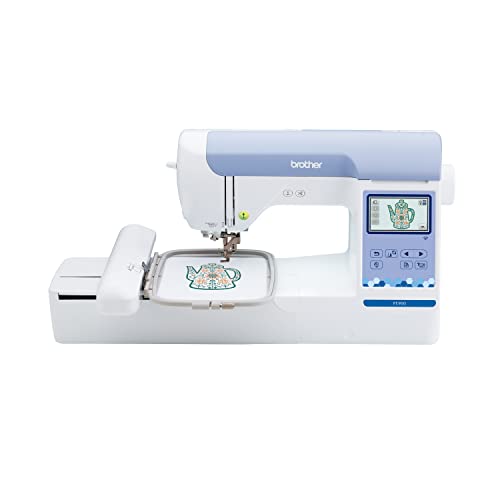
The PE900 expands capabilities with a 5″ x 7″ embroidery field, providing a larger canvas for intricate designs. It integrates with the ARTSPIRA mobile app to access 50 free embroidery patterns and transfer them wirelessly, complemented by a wireless LAN for design transfers from a PC. The machine’s larger embroidery area and mobile app ecosystem make it appealing for users who want to diversify patterns and scale up projects while keeping transfer tasks simple and reliable.
When evaluating the PE900, consider how often you will need a larger embroidery area and how heavily you rely on mobile-sourced designs. This model is a strong choice for users seeking a comfortable balance of drive-through pattern options and a sizable workspace for more ambitious embroidery work.
Buying Guide: Key Purchase Considerations
- Embroidery field size: A larger hoop enables bigger designs and fewer rehoopings. Consider your typical projects, from hats to bags and garments.
- Connectivity and design transfer: Wireless transfer via Design Database Transfer or mobile apps simplifies workflow. Check compatibility with your computer and phone ecosystem.
- Built-in designs and fonts: More included patterns can reduce the need for external libraries, but availability of expansion designs matters for long-term use.
- Ease of use: Touchscreen size, menus, and language support affect day-to-day operations, especially for beginners.
- Maintenance and support: Look for clear manuals, online tutorials, and access to customer support or user communities, particularly for second-hand purchases.
- Accessories included: Check for hoops, feet, bobbins, and software. A complete kit saves additional purchases.
- Software compatibility: Some machines work with proprietary transfer software or third-party apps; ensure compatibility with your computer and mobile devices.
- Condition and history: For used units, verify stitch counts, service history, and whether firmware can be updated. Ask for photos of the machine’s exterior and interior components.
- Resale value and reliability: Brands with established support networks (e.g., Brother, Poolin) often provide better long-term parts availability and knowledge bases.
Choosing a second-hand embroidery machine involves balancing workspace size, feature-set, and ongoing support. If you are new to embroidery, consider starting with a model that includes robust learning materials and a friendly user interface. For more experienced users, prioritize larger embroidery areas, flexible transfer options, and a broad pattern library to maximize project variety.