Finding the ideal single-screen printing machine for home use or small-batch production requires balancing footprint, versatility, and stability. The following picks focus on compact, single-color or small multi-color presses that fit limited spaces while delivering consistent results on textiles, signs, and other flat surfaces. Each option offers different station counts, adjustability, and ease of setup to help you decide which model best fits your workflow.
| Product | Brand | Type | Key Benefits |
|---|---|---|---|
| VEVOR 4 Color 1 Station | VEVOR | Rotating 1 Station | Compact, precise positioning, 360° rotatable |
| VEVOR 4 Color 4 Station | VEVOR | 4 Station Rotating | Higher throughput, stable double-layer pallet |
| Speedball Beginner Vinyl + Screen Kit | Speedball | Vinyl + Screen Kit | Easy DIY combo for T-shirts and decor |
| Tianiuseen 1 Color 1 Station | Tianiuseen | Single Color, Table Mount | Adjustable clamps, balance springs |
| VEVOR 4 Color 2 Station | VEVOR | 2 Station | Table-type design, space-saving |
VEVOR 4 Color 1 Station press

The VEVOR 4 Color 1 Station model offers a compact footprint with a 21.2 x 17.7 inch printing area. Its 360° rotable fuselage, supported by independent metal bearings, provides stable operation and precise positioning. A double-layer positioning design helps reduce deviations, making it suitable for small studios or occasional print runs on T‑shirts, pillows, fabrics, and other flat materials.
VEVOR 4 Color 4 Station press

This model expands to four color stations with a four-station layout and a matching 21.2 x 17.7 inch printing area. Its stabilizing fuselage and double-layer positioning help ensure repeatable results across multiple colors, ideal for higher-volume DIY projects and small runs on apparel and flat goods.
Speedball Beginner Vinyl Kit
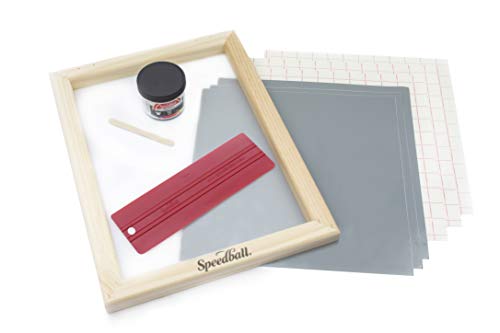
The Speedball kit blends vinyl crafting with screen printing for a fast, approachable entry into DIY apparel and home decor. It enables a simple, chemical-free process that requires no emulsions, offering a straightforward path from design to finished product for beginners or casual hobbyists.
Tianiuseen 1 Color 1 Station

The Tianiuseen unit provides a 22×18 inch printing area with adjustable screen frame clamps and a balanced, two-spring tension system. It’s designed for fixed-table use with adjustable back-and-forth pallet movement, allowing controlled prints on shirts, posters, and similar flat items.
VEVOR 4 Color 2 Station

This table-type press combines a four-color capability with two stations, facilitating more efficient multi-color designs while preserving a smaller workspace. The solid construction, paired with precision bearings for consistent alignment, supports durable, repeatable prints on textiles, plastics, and flat surfaces.
Buying Guide: Key Considerations for Selecting a Single Screen Printing Machine
When evaluating single screen printing machines, several factors ensure you choose the right fit for your projects and space. Consider footprint and portability, the number of stations and colors, and how the press will integrate with your current workflow.
- Printing area and footprint: Look for a model that fits your material sizes while leaving room for handling and drying. A 21.2 x 17.7 inch area is common for shirts and flat goods, with compact frames ideal for small studios.
- Stations and colors: For simple designs, 1-4 active colors across 1-4 stations can balance complexity and cost. More stations increase throughput but require more space and setup time.
- Stability and precision: Fuselage design, bearing quality, and double-layer positioning help minimize deviations. A stable machine produces cleaner images and reduces reprints.
- Adjustability: Look for adjustable stands, clamps, and pallets to accommodate different screen thicknesses and material types. Easy height and angle adjustments improve ergonomics.
- Material compatibility: Ensure the machine handles your target substrates—textiles, paper, plastic, wood, metal—without compromising alignment or print quality.
- Ease of use: Beginners benefit from simpler setups and clear positioning stops or guides. More advanced users may value micro-adjustment features and precise registration.
- Durability and maintenance: Machines with corrosion-resistant components, quality bearings, and straightforward cleaning routines reduce downtime and extend service life.
- Expansion potential: If you anticipate growth, consider a model that allows upgrading to additional stations or color modules as needed.
Overall, select a machine that aligns with your current project scope, space constraints, and your long-term printing ambitions. Reviewing the listed features and user needs can help identify the best balance between cost, capability, and reliability for your operation.