Discover English-friendly Japanese sewing patterns and design guides that let makers in the United States explore traditional and modern styles. From kimono-inspired templates to pattern-making primers, these selections cover costumes, everyday wear, and educational resources. Each item highlights clear instructions, adaptable sizing, and culturally inspired details to expand your sewing repertoire.
| Product | Brand | Type | Highlights |
|---|---|---|---|
| Simplicity 4080 – Women’s Japanese Geisha Costume Sewing Pattern | Simplicity | Costume Pattern | Multiple looks, sizes 6-12, cosplay ready |
| Japanese Kimono Pattern: Folkwear 113 | FolkWear | Kimono Pattern | Unisex sizing, shibori and sashiko options |
| Japanese Field Clothing Folkwear Pattern 112 | FolkWear | Garment Pattern | Misses and men’s sizes, versatile outerwear |
| Folkwear Japanese Hapie & Haori #129 Jacket Coat Slipper Sock Pattern | FolkWear | Jacket Pattern | Hapi and Haori styles, includes multiple sizes |
| The Pattern Making Primer: All You Need to Know About Designing, Adapting, and Customizing Sewing Patterns | Sourcebooks, Inc. | Pattern-Making Guide | Beginner to advanced, English-language instruction |
Whether you’re sewing for cosplay, learning traditional techniques, or designing your own patterns, these English-language resources provide practical steps, clear diagrams, and culturally rich references. The following sections introduce each product with a focused overview and practical notes to help you decide which pattern or guide best fits your project goals.
Simplicity 4080: Women’s Japanese Geisha Costume

The Simplicity 4080 pattern offers a trio of geisha-inspired looks, designed for the American sewer who wants a theatrical or costume-ready wardrobe. This pattern provides multiple views you can mix to achieve classic geisha silhouettes. It accommodates women’s sizes 6 through 12, offering a straightforward path from pattern to finished costume for Halloween events or stage productions. The instructions emphasize visual guidance for intricate elements such as obi-inspired belts and kimono-like sleeves, helping sewists manage bold, statement pieces with moderate complexity.
Japanese Kimono Pattern: Folkwear 113

Folkwear 113 presents a traditional kimono pattern with expansive size options and timeless construction details. This project is suitable for both men and women up to six feet tall, with all sizes included in a single packet. The pattern includes culturally informed instructions for shibori dyeing and sashiko embroidery, plus ideas for a more informal obi. For fans of Japanese textile arts, this pattern offers a gateway to authentic finishing techniques while staying accessible to home sewists who value accuracy and flexibility.
Japanese Field Clothing Folkwear Pattern 112

Pattern 112 from Folkwear covers field clothing with practical, versatile garments for both men and women. Sizes Misses 6-16 and Men’s 32-44 are included, with options such as the hippari jacket, monpei pants, and a padded jacket for additional warmth. The kit’s focus on comfortable, adaptable garments makes it a solid choice for travelers, outdoor garment projects, and historical-inspired wardrobes. Clear instruction and well-drawn illustrations help reduce the learning curve for complex layering and sleeve construction.
Folkwear Japanese Hapie & Haori #129

Pattern 129 from Folkwear focuses on the Hapi and Haori, iconic outerwear pieces that define mid-century Japanese styling. The pattern covers Misses sizes 6-20 and Men’s 34-44, combining jacket-like structure with loose, comfortable silhouettes. The kit emphasizes the separate cut shapes required to achieve the drape and overlap that characterize these garments, offering a manageable challenge for intermediate sewists seeking a strong, statement layer for cosplay or everyday wear.
The Pattern Making Primer: All You Need to Know
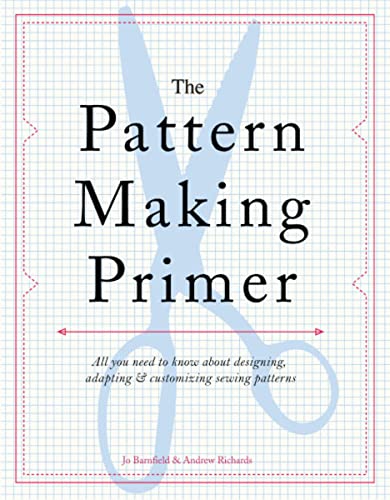
The Pattern Making Primer is a comprehensive guide that complements English-language sewing patterns by explaining how to design, adapt, and customize patterns for individual bodies. It covers essential concepts such as measurement, dart manipulation, and pattern grading, enabling sewists to translate ready-made templates into personalized fits. While not a single project, this resource supports long-term growth in pattern literacy, making it a valuable addition for makers who want to extend beyond basic patterns into custom adjustments and original designs.
Additional product notes
Each item has its own strengths, from costume-focused patterns suitable for theater and cosplay to traditional textile-inspired templates and foundational pattern-making knowledge. Buyers should consider their skill level, desired garment type, and interest in historical versus contemporary Japanese fashion when selecting patterns. Some patterns include optional cultural techniques like sashiko or shibori, which may require additional tools or specialized threads. The English-language guidance ensures accessible learning curves for American sewists who want to reproduce Japanese-inspired looks faithfully.
Buying Guide
Key considerations for selecting Japanese sewing patterns in English include pattern type, sizing, and cultural authenticity. Below are several perspectives to help you compare options:
- Intended use: Choose patterns that match your goal—cosplay, traditional wear, or educational projects. Costume patterns often feature multiple views that can be adapted for different occasions.
- Sizing and fit: Look for patterns with inclusive size ranges or clear instructions for grading to your measurements. Some Folkwear patterns offer unisex or broad size coverage, which can save time.
- Construction complexity: Some designs involve intricate sleeve work, obi belts, or multiple layers. Start with simpler views if you’re new to the style, then progress to more complex options.
- Technique integration: Patterns that include or align with sashiko, shibori, or embroidery offer glueless ways to expand your skills. Consider whether you want to add surface embellishments for authenticity.
- Reference materials: Pattern-making guides like The Pattern Making Primer help you customize fits and draft variations beyond printed templates, which is useful for long-term growth.
- Materials and tools: Traditional kimono and haori projects may require specific fabrics, such as kimono-weight cottons or blends, and accurate seam allowances. Ensure you have the right notions, needles, and interfacing for the chosen project.
- Availability and language: English-language instruction reduces ambiguity and speeds up progress for American sewists. Availability of size options and clear diagrams also affects project timelines.
In sum, these selections provide a spectrum of English-language access to Japanese sewing traditions—from costume-focused templates to authentic kimono methods and foundational shaping techniques. They enable makers to explore cross-cultural design with confidence, ensuring projects are enjoyable and educational, while staying mindful of sizing, complexity, and the required materials.