Choosing the right thick acrylic sheet can boost durability, clarity, and weather resistance for displays, glazing, and DIY builds. The options below cover high-quality 1-inch to 1/4-inch thicknesses from trusted brands. Each product is evaluated for impact resistance, UV stability, and ease of use, helping you compare weights, sizes, and practical tips for handling. The table below summarizes five top picks to consider.
Product Snapshot
| Product | Brand | Thickness | Size | Key Benefit |
|---|---|---|---|---|
| 1″ (0.944”) Clear Acrylic 12″x12″ Sheet | AZM Displays | 1 inch (0.944″) | 12″ x 12″ | High strength; weather and UV resistance; suitable for custom sizes |
| 1″ (0.944”) Clear Acrylic 24″x12″ Sheet | AZM Displays | 1 inch (0.944″) | 24″ x 12″ | Excellent strength; larger panel option; good weather resistance |
| Source One Acrylic Plexiglass Sheet, 1 Inch Thick | SOURCE ONE | 1 inch | Various (typical listings show standard sheet sizes) | Clear, thick option for heavy-duty glazing or displays |
| Duco USA-Made Clear Cast Acrylic Sheet 1/4 Inch Thick 12″ x 12″ | Duco Plastics & Supply | 1/4 inch | 12″ x 12″ | USA-made; strong yet lightweight; ready-to-use with protective film |
| Duco USA-Made Clear Cast Acrylic Sheet 1/8 Inch Thick 12″ x 12″ | Duco Plastics & Supply | 1/8 inch | 12″ x 12″ | Glass-like clarity; protective film; versatile for lightweight projects |
This article highlights five thick acrylic sheet options with a focus on durability, optical clarity, and outdoor performance. Each listing includes practical notes on size tolerances and handling to help you plan projects with confidence.
AZM Displays 1″ Clear Acrylic Sheet 12″ x 12″

Product features note: The sheet size is nominal; allow +/- 1/8″ in actual size. This 1″ thick cast acrylic is significantly stronger than glass, offering improved weather and UV resistance. It is lighter and easier to handle for thick display panels, protective barriers, or sign components. The listing advises contacting AZM Displays for custom sizes and bulk quantities, which can be beneficial for large installations or specialized framing projects.
AZM Displays 1″ Clear Acrylic Sheet 24″ x 12″
This 1″ thick sheet shares the same advantages as the 12″ variant, including lower weight and higher strength compared with glass. It’s suitable for large, rigid panels that require excellent weather resistance and UV stability. The product notes emphasize precise sizing tolerance and options for custom sizes, making it a strong choice for specialized signage or window glazing projects.
Source One Acrylic Plexiglass Sheet, 1 Inch Thick
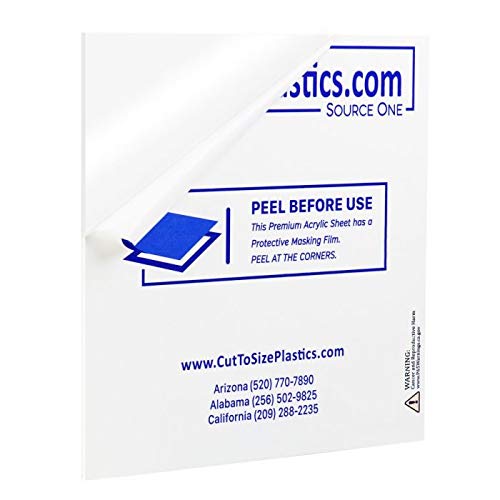
Source One’s 1″ thick acrylic sheet is presented as a clear option intended for thick, rigid panels suitable for glazing, displays, and protective barriers. The listing highlights the thickness as a defining feature, with typical use cases in professional settings where durable, high-clarity material is needed. Users should expect standard cut tolerances and consider edge finishing if required for a clean look in visible installations.
Duco USA-Made 1/8 Inch Clear Acrylic Sheet 12″ x 12″

Duco’s 1/8 inch sheets are USA-made with optical clarity and UV resistance. While thinner than the 1″ options, these sheets maintain a glass-like appearance with a notable balance of weight and strength, making them suitable for lighter-duty displays, protective barriers, or decorative installations. They arrive with a protective film to prevent scratches during transit and processing.
Duco USA-Made 1/4 Inch Clear Acrylic Sheet 12″ x 12″

Duco’s 1/4″ thick sheets offer a robust option that remains lightweight compared with glass. With optical clarity and UV resistance, these panels are well-suited for high-impact displays, protective barriers, or architectural glazing where a balance of thickness and weight is desirable. Like the 1/8″ version, these sheets are shipped with a protective film to preserve clarity during transit and handling.
Buying Guide: Thick Acrylic Sheets
What to consider when choosing thick acrylic sheets:
- Thickness and strength: Heavier, thicker sheets provide greater impact resistance and structural rigidity, essential for load-bearing or protective applications.
- Size availability and tolerances: Large panels may have small dimensional variations. Check nominal versus actual size and whether edges are finished or require trimming.
- UV and weather resistance: Outdoor installations benefit from UV-stable acrylic that resists yellowing and weathering over time.
- Clarity and color: For displays or glazing, optical clarity and surface finish matter. Some sheets ship with protective film to protect the surface before installation.
- Ease of fabrication: Consider whether edges need routing, drilling, or bending. Thicker sheets can be more challenging to machine than thinner sheets.
- Weight and handling: Heavier sheets require proper lifting tools and support, especially for larger sizes. Lighter alternatives may suffice for decorative or light-load applications.
- Brand and sourcing: Reputable brands often offer consistent thickness, clarity, and customer support for bulk orders or custom sizes.
- Tolerance and customization: If you need exact dimensions for a display or enclosure, verify tolerance allowances and whether custom sizing is available from the supplier.
Usage Scenarios And Comparisons
Thick acrylic sheets are commonly used in display cases, signage, architectural glazing, and protective barriers. For indoor displays, 1/8″ to 1/4″ sheets can deliver clear visibility with minimal weight. When durability is critical, 1″ thick sheets, like the AZM Displays options, deliver impressive strength with good UV resistance. For outdoor or high-impact applications, choose materials with proven weather resistance and consider edge finishing to improve durability and aesthetics. Always confirm exact sizes and tolerances before ordering, especially for bulk projects or custom installations.
Conclusion-Free Note
These thick acrylic sheet options provide a range of thicknesses and sizes to suit different project needs—from heavy-duty protective barriers to lightweight display panels. By comparing thickness, size, weight, UV exposure resistance, and fabrication considerations, you can select the best sheet for your specific application.
Disclaimer: All product links point to Amazon listings for reference and comparison; check current specifications and availability at the time of purchase.