Finding the right servo motor for a sewing machine can reduce energy use, increase torque, and lower noise. This guide reviews five popular DC servo motors designed for industrial and home sewing setups, focusing on energy efficiency, compatibility, and ease of use. Each option stacks up in terms of power, speed control, and installation simplicity, helping you choose the motor that best fits your machine and workload.
Summary of chosen products
| Product | Brand | Voltage | Power | Top Speed (RPM) |
|---|---|---|---|---|
| CSM550-1 Sewing Machine Servo Motor | CONSEW | 110V | 550W | 0-3450 |
| Sewing Machine Servo Motor 550W | Lonsge | 110V | 550W | 0-3450 |
| Industrial Sewing Machine Motor 550W | SMUDUKKIT | 110V | 550W | 0-3450 |
| Servo Motor AC110V 750W | SYLPHID | 110V | 750W | |
| 0-6000 | ||||
| Industrial Servo Motor 1000W | Lonsge | 110V | 1000W | 0-6000 |
Consew CSM550-1 Sewing Machine Servo Motor
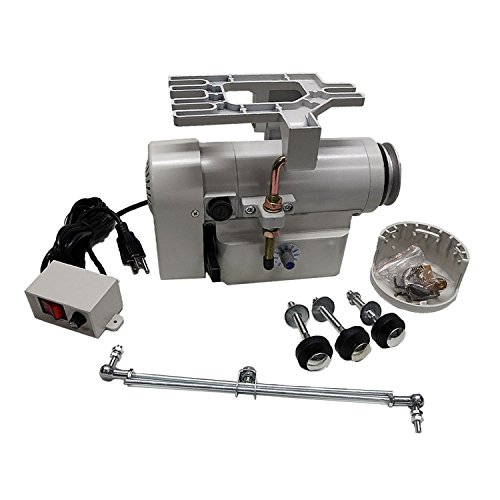
The Consew CSM550-1 is a quiet-running servo motor designed to replace traditional clutch motors. It operates at 110V with a maximum output of 550W and a wide speed range up to 3450 RPM. External speed control allows precise adjustments, improving control on delicate fabrics and high-speed runs. The unit is lightweight, includes necessary mounting hardware, and emphasizes energy efficiency by reducing electric draw compared with clutch systems. It supports reversible operation and requires no clutch disk, simplifying maintenance for busy workshops.
Sewing Machine Servo Motor 550W By Lonsge

The Lonsge 550W servo motor is built with a metal case and protection design to resist impact and wear. It is compatible with a wide range of industrial sewing machines, including flatbed and twin-needle models, and can be used on brands like Juki. Compared to clutch motors, this servo unit can slash energy costs by about half while boosting productivity, offering a balanced mix of torque, efficiency, and quiet operation for heavy-duty and routine stitching tasks.
Industrial Sewing Machine Motor 550W

This 550W, 110V motor delivers high starting torque, essential for thick or high-density fabrics. It is designed for clutchless operation with a wide speed adjustment range up to 3450 RPM. Carbon brush construction supports robust torque, reducing stalling risk during challenging stitches. The motor emphasizes efficiency and smooth speed regulation, making it suitable for a variety of fabrics and sewing techniques while maintaining durability in demanding environments.
Servo Motor AC110V 750W Industrial

SYLPHID’s 750W servo motor is a robust, all-metal unit with pure copper coils and a universal fit for many machines, including major brands. It promises significant energy savings—claimed near 51%—and a quieter operation profile suitable for home workshops and small studios. The unit emphasizes durability, heat resistance, and compatibility with a variety of fabrics and straight-line sewing tasks, delivering a strong balance of power and efficiency for mid- to heavy-duty work.
Industrial Sewing Machine Servo Motor 1000W
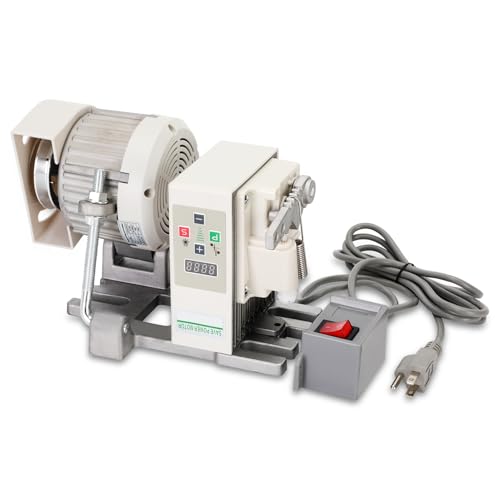
Offering 1000W of power at 110V, this Lonsge servo motor supports up to 6000 RPM and includes a controller, foot switch, manual, and mounting hardware. It is designed for heavy industrial sewing machines, providing high torque with steady speed control, CW/CCW operation, and a silent running profile. Its robust construction aims for long service life, consistent performance, and compatibility with a broad range of heavy-duty sewing tasks.
Buying Guide: Key Considerations For Choosing A DC Servo Motor
Motor power and torque: Match the wattage to your typical fabrics and projects. Thicker materials benefit from higher torque and starting power to avoid stalling.
Speed range and control: Look for a motor with a broad, controllable RPM range and an intuitive speed control interface. Smoother ramps help with delicate fabrics and precision stitching.
Voltage and compatibility: Most sewing motors use 110V in the United States, with compatibility across many machine brands. Ensure frame mounting holes line up with your current setup.
Noise and vibration: Quieter motors improve the working environment and reduce fatigue. Vibration-damping features and robust housings can extend tool life.
Durability and build quality: Metal housings, copper windings, and quality bearings contribute to longevity in busy shop conditions. Consider motor weight and mounting hardware included in the package.
Energy efficiency: Servo motors typically consume less electricity than clutch motors, lowering operating costs over time. Compare energy savings and payback potential based on your workload.
Installation and maintenance: Some motors come with complete kits (controller, foot switch, brackets), while others require additional parts. Check for available mounting options and compatibility with your table or frame.
Brand and support: Reputable brands often provide manuals, troubleshooting guides, and spare parts availability. Evaluate user reviews for reliability and after-sales support.
Brand diversity in this guide favors motors that deliver strong torque, easy speed control, and compatibility with common sewing machines, while emphasizing energy efficiency and quiet operation as primary benefits for modern workshops.