Rug tufting has grown from a hobby into a viable home-based business for many crafters. The following guide highlights five Amazon-sourced products that are well-suited for hobbyists and small studios alike, helping you assess equipment options that can boost efficiency, quality, and potential profitability. The selection emphasizes durability, ease of use, and practical features like marked lines, non-slip backing, and versatile tufting cloth sizes. Use this overview to compare materials, frames, and starter kits designed to support both beginners and seasoned crafters in turning tufting into a sustainable craft or side business.
| Product | Brand | Key Benefit |
|---|---|---|
| BESGEER 80″ × 80″ Rug Backing | BESGEER | Thicker, wear-resistant backing for durable tufting projects |
| BESGEER 80″ × 120″ Primary Tufting Cloth | BESGEER | Marked lines for symmetry; versatile with tufting machines |
| NODOCA 53″ Tufting Frame with Spikes | NODOCA | Spikes frame for secure, long-lasting setup |
| Riiai Tufting Gun Starter Kit | Riiai | All-in-one starter set with case for portability |
| Biubee Monk’s Cloth 85″ × 79″ | Biubee | Marked lines and durable edges for quality tufting fabric |
BESGEER Rug Backing Non-Slip Cloth
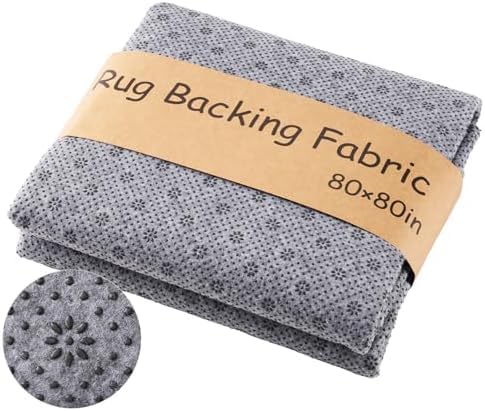
The BESGEER 80″ × 80″ rug backing cloth provides a stable base for tufting projects. Made from premium polyester, the fabric delivers a strong grip to prevent sliding when kids or pets are nearby. The backing is a thick 2mm, featuring vinyl pattern dots for added durability and longevity. The large 80″ × 80″ size can be trimmed to fit specific rug shapes, helping you maximize material efficiency and project yield. This backing is designed to resist wear and tear, supporting frequent tufting sessions with reliable adherence to the tufting cloth.
BESGEER Monks Cloth with Marked Lines

This BESGEER 80″ × 120″ primary tufting cloth features marked yellow lines every five centimeters to guide marking and maintain symmetry when stretching on frames. The 65% polyester and 35% cotton blend provides comfort and flexibility under tufting guns, helping it withstand gun pressure for extended sessions. The cloth is compatible with a range of tufting tools and is suitable for punch needle embroidery and DIY rug projects. Marked lines simplify setup, enabling more consistent results and potentially faster production times for small batches.
NODOCA 53″ Tufting Frame with Spikes

The NODOCA 53″ aluminum tufting frame features spikes for a secure setup that minimizes frame movement during tufting. The spikes are designed for long-term stability, requiring little adjustment after initial installation. The frame is built from high-quality aluminum to resist rust and deliver durability—an important factor for consistent results across multiple projects. This frame is well-suited for beginners transitioning to more ambitious rug-making projects as it helps maintain consistent tension and alignment.
Riiai Tufting Gun Starter Kit

The Riiai starter kit combines a tufting gun with a carpet trimmer, bundle of tufting supplies, and a carrying case. It supports 2-in-1 loop and cut pile modes, offering flexibility for different rug textures. The kit is designed for ease of use, enabling quick setup on a frame and straightforward operation from various angles. This makes it a practical choice for hobbyists expanding into larger or more intricate rug designs, while the included case supports portability for markets or pop-up sales.
Biubee Monk’s Cloth with Marked Lines

The Biubee 85″ × 79″ monk’s cloth features yellow marking lines to guide tufting and reduce deviations. The fabric is weaved as an overlocked edge, reducing fraying and increasing durability during continuous use. The composition (65% polyester, 35% cotton) provides a balance of softness and resilience, while the large size allows flexible cutting for various rug shapes. The textured surface withstands tufting machine pressure and helps maintain clean, consistent stitches across projects.
Dabline Non-Slip Rug Pad Backing

The Dabline backing cloth adds a non-slip vinyl dot design to protect rugs and prevent slips. It can be sewn to tufting cloth or glued with carpet glue, offering flexibility in assembly. This backing helps add a professional finish and protects the rug while contributing to durability, making it a sensible addition for market-ready pieces or high-traffic rooms where stability is essential.
Sukhumvit Tufting Cloth with Marked Lines

This 118″ × 79″ tufting cloth includes orange marks every 2 inches, aiding width and length adjustments for custom rug sizes. The 65% cotton and 35% polyester blend ensures softness and strength under tufting guns, making it a versatile choice for larger projects. The large size supports wide or long rug designs, while the marked lines support precise patterning for professional results in both home studios and small businesses.
Tudomro Tufting Cloth Set with Backing

The Tudomro set includes four pieces: two tufting cloths and two non-slip backings, plus cleaning tools. Each tufting fabric measures 79″ × 59″, with the backing cloth at 71″ × 39″. Made from polyester and cotton for the cloth and felt for the backing, this package is tailored for beginners and hobbyists who want a complete starter kit. The included accessories simplify cleanup and preparation, helping you maintain a smooth workflow across multiple rug projects.
Buying Guide: Key Purchase Considerations for Rug Tufting
Selecting the right tufting equipment depends on your goals, space, and budget. Consider these factors to optimize profitability and workflow:
- Durability and material quality: Look for slightly thicker backings and sturdy frames to withstand repeated use. A durable cloth and backing reduce replacement costs and downtime.
- Frame stability and ease of setup: A frame with secure spikes or robust clamps minimizes movement, improving stitch consistency and reducing waste.
- Pattern guides and line marks: Marked lines help maintain symmetry, speed up setup, and improve product quality—important for customer orders and repeat business.
- Size and scalability: Large cloths enable bigger rug designs with less frequent re-framing. Consider whether your space and equipment can accommodate oversized materials.
- Versatility of tools: Starter kits with multiple modes (cut pile, loop pile) expand design possibilities, enabling a broader product range.
- Portability and storage: Carrying cases and compact frames support markets, pop-ups, and home studios with limited workspace.
- Care and maintenance: Simple cleaning, edge binding, and easy fabric replacements lower long-term costs and downtime.
- Cost vs. output balance: While premium items may seem pricier, their durability, efficiency, and quality can reduce per-unit labor time and boost margin over time.
When evaluating multiple products, compare how each item reduces production friction, improves consistency, and scales with demand. For hobbyists pursuing profit, align equipment choices with your most frequent rug sizes, finishes, and customer expectations to maximize return on investment.