Finding the right closed cell foam can improve insulation, dampen sound, and protect gear. Below are five top choices, spanning lightweight polystyrene boards to versatile closed cell sheets and rolls. Each product is selected for durability, ease of use, and versatility across DIY projects, vehicles, and home improvement tasks.
| Product | Material Type | Best For | Size / Thickness |
|---|---|---|---|
| LuckyFoam Blue 4 Pack Foam Sheets | Polystyrene (XPS) | Crafts, modeling, insulation | 15x12x2 inches; 2 inches thick |
| Artilife 1/2″ Closed Cell Foam Sheet | Closed cell foam (EPDM-based) | Sound deadening, vibration dampening | 1/2″ x 13″ x 60″ |
| Artilife 3/8″ Closed Cell Foam Sheet Roll | Closed cell foam (EPDM-based) | Cosplay padding, soundproofing | 3/8″ x 13″ x 80″ |
| Pangda Closed Cell Foam with Adhesive | Closed cell rubber (adhesive backed) | Insulation and weather sealing | 12″ x 59″ x 1/2″ |
| Case Club Customizable Closed Cell Polyethylene Foam | Closed cell polyethylene | Pistol case inserts, organization | 18″ x 16″ x 2.125″ |
LuckyFoam Blue 4 Pack Foam Sheets

LuckyFoam Blue foam boards are lightweight, easy to cut, and made from high-quality polystyrene. They work well for school art projects, poster backing, and DIY craft builds, while also offering basic insulation benefits. The pack provides multiple sheets, enabling large or multi-project use without frequent reselection.
Key features include: lightweight construction for simple handling, clean cuts with common tools, and versatile applications—from crafts to temporary room dividers. These boards offer good rigidity for model bases and display projects, and they are compatible with standard adhesives and mounting methods. While primarily used for crafting, their insulating potential adds a handy layer for drafty home projects.
Artilife 1/2 Inch Closed Cell Foam Sheet

This Artilife closed cell foam sheet provides 1/2″ thickness with dimensions of 13″ by 60″. The closed cell construction offers cushioning, sealing, and vibration damping. It is designed for sound insulation and noise reduction in high-traffic areas like vehicles and kitchens, making it suitable for dampening vibrations in audio setups or automotive soundproofing.
Highlighted benefits include durable cushioning with trap-and-seal properties and versatility in applications such as auto panels, garage workbenches, and equipment enclosures. Easy to handle and cut to fit irregular spaces, it is a practical option for sound deadening where space is limited.
Pangda 1/8 to 1/2 Inch Adhesive Foam Roll

This Pangda closed cell foam roll features an adhesive backing for quick, flush installs. Available in multiple thicknesses (including 1/2 inch and thinner options), it suits weather sealing, gasket creation, and insulating tasks. The closed cell construction provides resilience against moisture and heat, supporting durable seals in craft projects or small equipment enclosures.
Ideal uses include weather-stripping doors and windows, creating lightweight cushions for hobby projects, and dampening minor vibrations in equipment housings. The adhesive backing reduces installation time and helps maintain a tidy finish in applications requiring precise sealing.
Case Club Customizable Closed Cell Polyethylene Foam
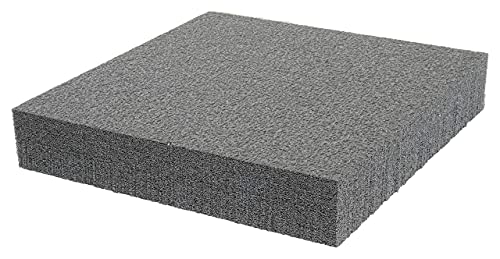
Case Club offers a durable, military-grade closed cell polyethylene foam suitable for pistol case inserts and other protective linings. This charcoal-colored foam is high density (2.2 pounds per cubic foot) and highly shock-absorbent, making it a strong choice for organization and protection of fragile items during transport. It can be customized with simple cuts to fit specific case dimensions and item shapes.
Compatibility with major case brands is highlighted by Case Club, ensuring a versatile option for creating precise, snug cavity inserts. The foam’s resistance to moisture and impact helps preserve delicate equipment while maintaining a compact profile for travel or storage.
STANLEY Supercoat Spray Foam Insulation Kit

STANLEY’s closed cell spray foam insulation kit provides a monolithic insulation layer with a high R-value per inch. This polyurethane-based spray foam is designed to seal gaps and joints for buildings and vehicles, offering a seamless barrier against heat transfer and air leakage. Its density and curing properties suit larger projects where a sprayed, continuous layer is preferred over sheets or boards.
Considerations include the kit’s curing time, surface preparation needs, and proper safety usage. While not a polystyrene product, its closed cell form ensures robust moisture resistance and thermal performance, complementing solid foam board solutions in comprehensive insulation plans.
2 Lb Density Expanding Pour Foam Kit

This 2-part polyurethane foam is designed for flotation, void filling, and soundproofing. It expands to fill cavities and provides buoyancy when used in marine or boat applications, while also offering insulation and vibration dampening in non-structural contexts. It is ideal for projects requiring in-place foam that hugs irregular shapes and spaces.
Important considerations include proper mixing, curing, and the potential for expansion to exceed intended space. While this is not a true polystyrene foam, it remains a widely used closed cell alternative for specialized applications, including marine and industrial use cases.
Buying Guide: Key Considerations For Closed Cell Foam Purchases
When choosing closed cell foam, consider how you plan to use it and what properties matter most—insulation, sound dampening, rigidity, or moisture resistance. Below are essential factors to weigh and how different materials compare.
- Material type and compatibility: Polystyrene (XPS) boards offer rigidity and strong insulation for walls or displays, while closed cell EPDM or polyethylene foams excel at cushioning and weather sealing. Choose based on temperature ranges, moisture exposure, and load requirements.
- Density and compressive strength: Higher density foams resist dents and provide better structural support, which matters for protective inserts and equipment housings. Lighter foams are easier to cut and handle for crafts and display work.
- Thermal and acoustic performance: For insulation, look at R-values and sound reduction ratings. Spray foams often provide seamless barriers with high insulating performance, while board foams may require careful sealing at joints.
- Moisture resistance: Closed cell foams are typically moisture resistant, but chemical composition and backing (adhesive vs. non-adhesive) influence performance in damp or outdoor environments.
- Ease of work and installation: Adhesive-backed rolls simplify installation but may limit durability in high-stress areas. Boards and sheets offer clean cuts and easier custom shaping with basic tools.
- Application suitability: For protective cases, precise inserts work best with rigid boards or custom-cut polyethylene foams. For soundproofing inside vehicles or rooms, consider a combination of sheets and sealants to minimize gaps.
- Safety and handling: Some foams require ventilation and protective equipment during cutting or spraying. Always follow product safety instructions and cure times before use in critical installations.
- Cost and availability: Polystyrene boards tend to be economical for bulk insulating needs, while specialty closed cell foams offer targeted performance at a higher price. Consider long-term durability and reuse potential in your budgeting.
This selection emphasizes closed cell foam options across boards, sheets, and rolls, with a view toward insulation, vibration damping, protection, and craft applications. Consumers should match the product material and thickness to their specific project needs and environmental conditions.