For anyone pursuing stability, core strength, or protective padding, high-density foam cores offer reliable support and longevity. This guide highlights five top options that combine density, durability, and practical design for workouts, physical therapy, and DIY applications. Each product below is evaluated for stability, resilience, and user comfort to help you choose the right foam core solution for your needs.
| Product | Brand | Core Benefit |
|---|---|---|
| StrongTek Extra Wide Foam Balance Pad | StrongTek | High-density TPE foam, wide surface for stability |
| FoamTouch 2″ Thick Foam | FoamTouch | High-density foam for cushioning and protection |
| SmartFoam HD Custom Cut Foam | SmartFoam | Premium high-density upholstery foam, custom sizes |
| ProsourceFit High Density Foam Rollers | ProsourceFit | Firm, durable roller for muscle relief and mobility |
| NexFit High-Density Balance Pad | NEXFIT | Eco-friendly TPE foam, non-slip surface for balance work |
StrongTek Extra Wide Foam Balance Pad
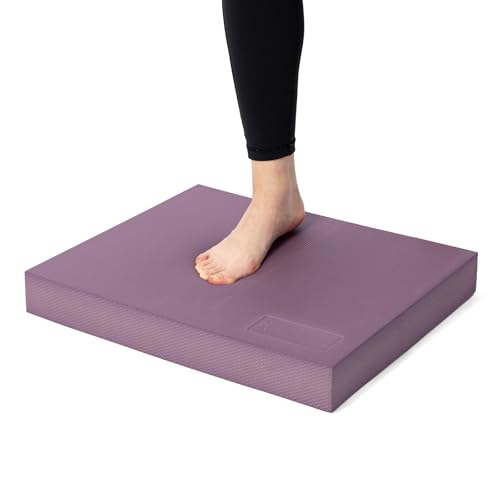
The StrongTek pad measures 19″ by 15.8″ and is 2.4″ thick, delivering an unusually broad surface for stability during balance training, core work, and rehab exercises. Made from high-density TPE foam, it maintains its shape under regular use while offering a supportive yet challenging surface for users of varying fitness levels. The non-slip top improves grip during sessions, and the water-resistant material makes cleaning simple between workouts or therapy sessions.
Designed for therapists, athletes, and home gym enthusiasts, this pad works well for standing balance drills, lunges, and seated stretches. Its generous size accommodates multiple users or larger body shapes, reducing the risk of slips when performing dynamic movements. The durable core resists compression over time, contributing to a consistent training experience for daily use.
FoamTouch 3″x24″x72″ High Density Polyurethane Foam

This FoamTouch option offers a 3″ thickness with dimensions of 24″ by 72″, prime for a range of applications including oval and round furniture cushions, boat and car cushions, or as substrate for large upholstery projects. The foam is 100% recyclable and designed to recover quickly after compression. Its high density supports long-term shape retention, while the material’s resilience supports heavy use without sagging, making it a practical choice for makers and installers needing dependable foam blocks.
Key features include a standard profile that works well in custom builds and a straightforward cutting process, suitable for precise shapes when shaping cushions or pads. With easy-to-clean properties, this foam remains durable through multiple upholstering cycles. It is particularly attractive for projects requiring uniform backbone support and consistent density across large panels.
SmartFoam HD Custom Cut Foam

SmartFoam HD stands out with custom-cut options for mattresses, cushions, benches, and DIY builds. The product emphasizes high-density support that resists sagging, promoting durable comfort for daily use. The option to specify exact dimensions supports niche projects and tailored furniture pieces. In addition to core density, some variants offer cooling gel-infused memory foam options that help regulate temperature, enhancing comfort in bed or seating applications.
The foam’s durability makes it suitable for long-term upholstery and home improvement tasks. Users should consider the intended load and seating duration when selecting a density and thickness. SmartFoam’s customization aligns with projects that require precise fitment and predictable performance, minimizing waste and ensuring a clean install for DIY enthusiasts.
ProsourceFit High Density Foam Rollers

ProsourceFit foam rollers are designed for deep tissue work and mobility. The high-density core delivers a firmer massage surface than standard rollers, making it suitable for standing postural work, back stretching, and Pilates or yoga routines. The firm construction maintains its shape through repeated sessions, offering consistent feedback and help for trigger point release. The roller’s density makes it an effective tool for athletes aiming to improve flexibility and muscular balance after workouts.
Users should consider the target muscle groups and preferred massage intensity when selecting a roller. For beginners, a slightly softer density might be more comfortable, while experienced users may prefer the higher density for deeper tissue work. The ProsourceFit design supports a range of body types and exercise modalities, from core stabilization to dynamic mobility sequences.
NexFit High-Density Balance Pad

The NexFit balance pad uses eco-friendly, non-toxic TPE foam with a non-slip surface designed to stay secure during sweaty workouts. Its surface and density encourage improved coordination and core engagement, making it suitable for physical therapy, balance training, and rehabilitation exercises. The pad’s durable construction supports regular use without rapid compression, and the non-slip finish helps reduce movement during challenging movements like lunges or single-leg stability drills.
Ideal users include athletes recovering from injuries, seniors working on balance, and fitness enthusiasts who want a reliable platform for joint-friendly training. The pad’s light weight also makes it easy to transport between home and gym settings, offering flexibility for varied training environments. As with other high-density foam products, ensuring the pad suits your height, weight, and exercise goals will maximize benefits and minimize risk during workouts.
Buying Guide: Key Considerations For High-Density Foam Cores
Core density, surface area, and overall thickness strongly influence performance. Here are essential factors to assess when selecting a high-density foam core:
- Density and firmness: Higher density typically offers better support and less compression over time, but may feel firmer initially. Consider your weight, typical activities, and comfort preference.
- Surface area and dimensions: A larger pad or roller provides stability for wider stances and multi-joint exercises, while smaller pieces may excel in targeted therapy or DIY applications.
- Material composition: TPE foam is common for balance pads and is prized for durability and water resistance. Polyurethane foams vary in density and resilience; choose based on load and usage pattern.
- Non-slip properties: A textured, non-slip surface improves safety during workouts that involve sweating or dynamic movements.
- Water resistance and cleaning: Easy-to-clean foam extends hygiene life in shared spaces and clinics. Look for materials that tolerate cleaning agents without degradation.
- Customizability: Some brands offer cut-to-size options for bespoke projects. If you’re building custom cushions or DIY training tools, this can reduce waste and ensure a perfect fit.
- Intended use: Therapy, core training, yoga, or DIY upholstery each have different density and thickness requirements. Align product choice with your primary use case.
In summary, high-density foam cores provide durable support across fitness, rehab, and DIY projects. When evaluating options, prioritize long-term shape retention, surface stability, and user comfort to ensure consistent performance and safety over time.