Finding reliable 2-inch foam for upholstery, DIY projects, or soundproofing can be challenging. This guide highlights five top-rated 2″ foam options from GoTo Foam and FOAMYFOAM, chosen for firmness, durability, and versatility. Each product is suitable for seat cushions, backrests, or generic padding, and designed for easy crafting and lasting performance. Below, you’ll find quick product comparisons, detailed sections, and practical buying guidance to help you select the right foam for your project.
| Product | Dimensions (HxWxL) | Density / ILD | Material Type |
|---|---|---|---|
| GoTo Foam – 2″ x 24″ x 72″ | 2″ x 24″ x 72″ | 1.8, 43 ILD | Open-cell polyurethane foam |
| GoTo Foam – 2″ x 24″ x 96″ | 2″ x 24″ x 96″ | 1.79, 44 ILD | Open-cell polyurethane foam |
| GoTo Foam – 2″ x 24″ x 72″ (Black) | 2″ x 24″ x 72″ | 1.8, 44 ILD | Open-cell polyurethane foam |
| GoTo Foam – 2″ x 18″ x 18″ | 2″ x 18″ x 18″ | 1.8, 44 ILD | Open-cell polyurethane foam |
| FOAMYFOAM – 2″ x 24″ x 72″ | 2″ x 24″ x 72″ | 1.8, (unspecified ILD, high density) | High-density polyurethane foam |
Below are five product-focused sections. Each one provides a concise overview, notable features, and practical use cases. All links open in a new tab for convenience.
GoTo Foam 2-Inch Cushions, 24 x 72

This GoTo Foam cushion measures 2 inches thick and offers a firm yet comfortable feel with 43 ILD, made in the USA and Certipur certified. The density rating around 1.8 pounds per cubic foot provides a stable seating experience without excessive sag. Suitable for sofa cushions, bench padding, and DIY upholstery, its open-cell structure allows air flow and easy shaping with common tools. The cushion’s durability supports consistent performance over years of use, making it a solid choice for mid-range upholstery projects.
GoTo Foam 2-Inch Cushions, 24 x 96
This longer 96-inch option provides the same firmness level at 44 ILD with a 1.79 density. It’s ideal for long benches, sectional back cushions, or custom sofa builds where a continuous cushion span is needed. Made in the USA and Certipur certified, the foam holds its shape over time while resisting typical wear and tear. It works well for people seeking extended seating without frequent refills or replacements.
GoTo Foam 2-Inch Black 72-Inch
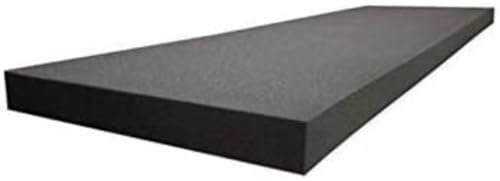
This variant adds a charcoal finish while maintaining 1.8 density with 44 ILD. Its staining resistance and durability make it suitable for high-traffic upholstery projects, such as vehicle seating or rugged DIY builds. The product’s ability to cut cleanly with common cutting tools helps crafters shape it into custom contours for precise fitting in chairs and cushions.
GoTo Foam 2-Inch 18×18 Cushion
Compact yet sturdy, this 18×18 option delivers the same firm support at 44 ILD with 1.8 density. It’s well-suited for throw pillows, small seat pads, or custom inserts for chairs and stools. The smaller footprint makes it easier to manage for beginners or for projects requiring precise sizing, while still offering long-term resilience.
FOAMYFOAM 2-Inch 24 x 72

FOAMYFOAM’s high-density 2-inch foam focuses on durability and longevity, described as high quality for seat and back cushions, couches, and benches. While exact ILD isn’t specified in the brief, the product emphasizes long-lasting support with consistent performance. This foam is a strong option for projects where heavy use is expected and replacement cycles should be minimized.
FOAMYFOAM 2-Inch 30 x 72

This 30-inch wide version from FOAMYFOAM expands coverage for larger seating or bench areas. Like the 24×72 variant, it offers high-density construction and reliable support. It’s a versatile option for DIY upholstery projects that require extra width to accommodate broader frames or custom shapes, ensuring a snug, even fit across the surface.
Buying Guide: Choosing the Right 2-Inch Foam
Key factors influence performance and satisfaction when selecting 2-inch foam for cushions, padding, or upholstery projects. The following considerations help balance comfort, durability, and workability:
- Density and ILD: Higher density (around 1.8–1.9) and ILD ratings around 43–44 suggest firmer support suitable for seating. Lower numbers yield softer cushions; consider your comfort preference and intended use (indoors, high-traffic areas, or decorative pieces).
- Material and durability: Open-cell polyurethane foam tends to be easier to cut and shape, with good ventilation. High-density variants maintain shape longer under frequent use, making them preferable for daily seating and heavy-duty applications.
- Dimensions and cut-ability: Width and length determine how much coverage you get for a piece. Some foams cut cleanly with basic tools, while others are more forgiving for contouring; ensure you have appropriate tools for shaping edges and curves.
- Environment and usage conditions: If the project will face moisture, temperature changes, or rough handling, staining resistance and durability are important. Some foams offer better resistance to wear and tear and easier cleaning.
- Made in USA and certifications: Certifications like Certipur contribute to a safer, more consistent foam composition. For many projects, domestic production supports shorter lead times and easier returns or replacements.
- Application fit: Consider whether you need a single long slab, multiple pieces, or specific widths to match frames, cushions, or seating surfaces. Some products are sold as longer lengths that reduce seaming but require precise cutting.
For best results, match foam density and ILD to the intended use: firmer foams with higher ILD are suitable for active seating and benches, while slightly softer foams are comfortable for lounge areas that don’t bear abrupt loads. Always verify dimensions and cut lines before final assembly, and consider a protective cover to extend foam life and protect against staining and moisture.