Growing interest in at-home textile personalization has people seeking compact, affordable printing solutions. This guide highlights small fabric printing machines and accessories that suit hobbyists and crafters alike. Each option combines ease of use with reliable results, helping you print on apparel, bags, and home textiles without a full studio setup.
| Product | Brand | Top Benefit |
|---|---|---|
| Speedball Beginner Screen Printing Craft Vinyl Kit | Speedball | Easy integration with vinyl cutting for quick screen prints |
| PUNEHOD R1390 DTF Printer | PUNEHOD | Direct-to-film printing with white ink circulation |
| EQ Printables Inkjet Fabric Sheets | EQ Printables | High-quality transfer onto soft fabric via inkjet |
| KOMHOW DTF Printer – L1800 | KOMHOW | Professional color and reliable white ink handling |
| New brothread Sticky Water Soluble Embroidery Stabilizer | New brothread | Printable, self-adhesive stabilizer for embroidery projects |
Below are five product-focused sections with details to help you compare features, usability, and compatibility for small-scale fabric printing tasks.
Speedball Beginner Vinyl Kit For Screen Printing
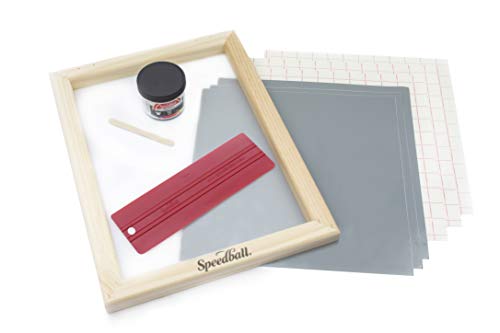
The Speedball kit blends vinyl crafting with screen printing, offering a fast and simple way to start screen printing at home. It works with common home vinyl cutting machines, enabling quick production of custom T-shirts and home decor items. A key advantage is the lack of chemicals, which makes the process safer for hobbyists and casual makers while delivering durable, screen-printed results on fabric or textiles.
PUNEHOD R1390 DTF Printer With Oven

The Punehod DTF printer features a white ink circulation system to reduce clogging, plus an adjustable reel design that supports long PET films and a new cutting device to streamline workflow. Its broad applicability spans hats, jeans, T-shirts, bags, and more, enabling personalized transfers across multiple fabric types and accessories. This setup is suited for small businesses or serious hobbyists seeking consistent color fidelity and expanded production capabilities.
UNICEU Sewing Machine Mat With Pockets

Note: Included here for context as a supportive accessory rather than a primary printing device. This non-slip, lightweight mat with pockets helps organize tools and protects the work surface during sewing or heat transfer projects. While not a printer itself, it complements small fabric printing workflows by improving workspace efficiency and reducing tool misplacement during craft sessions.
Phomemo Ribbon Label Printer

Phomemo’s A30 label maker expands small craft capabilities with portable labeling that supports garment tags, packaging, and decorative labels. It’s particularly useful for organizers, product branding, and gift-ready packaging. While not a fabric printer, its compatibility with labels and ribbons can enhance finished projects and inventory management in a small-printing setup.
EQ Printables Inkjet Fabric Sheets

EQ Printables offers inkjet fabric sheets designed to transfer high-quality images onto soft textiles. The 8 1/2″ x 11″ sheets are ideal for creating custom designs, photo prints, or handwritten motifs on fabric. This product is well-suited for crafters who want to print at home using an ordinary inkjet printer and then heat-set the design on textiles like cotton or poly-cotton blends.
KOMHOW DTF Printer – L1800 A3

The KOMHOW DTF Printer delivers high-resolution output (up to 2880 dpi) with professional color performance. Features include automatic white ink circulation, printhead maintenance, and a reliable support framework. The L1800 model targets versatile fabric transfers across garments and accessories, backed by a warranty and 24/7 assistance to aid setup and ongoing operation. This makes it a compelling option for those wanting strong color fidelity in compact DTF systems.
New brothread Sticky Water Soluble Embroidery Stabilizer

This printable, self-adhesive stabilizer is designed for embroidery projects that require temporary backing. It dissolves in cold or warm water, leaving no residue. It’s suitable for both embroidery backing and topping, and is a practical addition when working with embroidery-on-fabric tasks that are integrated with small-scale printing projects, helping achieve clean, professional finishes.
Buying Guide: Key Considerations For Small Fabric Printing
- Printing method compatibility: DTF, screen printing with vinyl, and inkjet fabric sheets each suit different fabric types and project scales. Consider whether you need direct transfer capabilities or post-print finishing steps.
- Fabric compatibility: Some devices perform best on cotton or blends, while others support synthetic fabrics better. Check print head tech and ink systems for your target textiles.
- Ink and consumables: White ink circulation is a common requirement for vibrant designs on dark fabrics; ensure the system includes or supports reliable ink management and cleaning.
- Workflow efficiency: Features like detachable reels, built-in ovens, or automated cleaning can save time and improve throughput for small batches or weekend projects.
- Accessibility and support: Warranty terms, available customer service, and remote troubleshooting help reduce downtime when you’re building your home-printing setup.
- Space and setup: Compact units with straightforward assembly help you maintain an organized workspace, especially in small homes or apartments.
- Materials and accessories: Stabilizers, transfer sheets, and labeling tools augment printing with embroidery or decoration tasks, expanding creative options.
- Budget and scalability: Start with entry-level options for learning, then consider upgrading to systems with higher DPI, broader material support, or enhanced automation as needs grow.
As you compare these options, consider your primary project types—T-shirts, bags, home decor, or embroidery-backed items—and how often you plan to print. The right small fabric printing setup balances ease of use, print quality, and the flexibility to experiment with different textile surfaces.