Discover top rated 1 inch high density upholstery foam options that offer firm support and lasting comfort. Perfect for seat cushions, benches, and DIY furniture projects, these foams come in various sizes to fit standard and custom builds. This guide highlights five leading 1″ thick foams, comparing density, firmness, and suitability for different applications.
| Product | Brand | Size (L x W x H) | ILD / Density | Notable Qualities |
|---|---|---|---|---|
| GoTo Foam 1″ Height x 24″ Width x 72″ Length | GoTo Foam | 72″ x 24″ x 1″ | 44 ILD · 1.79 Density | Made in USA; Certipur; firm enough for durable cushions |
| FOAMYFOAM High Density 1 inch Thick, 30×72 | FOAMYFOAM | 72″ x 30″ x 1″ | 44 ILD · 1.8 Density | Versatile replacement foam; option for larger cushions |
| GoTo Foam 1″ x 24″ x 72″ Black | GoTo Foam | 72″ x 24″ x 1″ | 44 ILD · 1.8 Density | Open-cell polyurethane; easy to cut and shape |
| FoamTouch High Density 1″ x 24″ x 84″ | FoamTouch | 84″ x 24″ x 1″ | 45 ILD · 1.79 Density | American made; 100% recovery; long cushions |
| FOAMYFOAM High Density 1 inch Thick, 24×72 | FOAMYFOAM | 72″ x 24″ x 1″ | 44 ILD · 1.8 Density | Durable; broad compatibility with seating projects |
Note: All products listed are 1 inch thick and designed for upholstery applications, with varying densities and ILD ratings to suit different levels of support and resilience.
GoTo Foam 1″ 24″ x 72″ Upholstery Cushion (44 ILD, 1.79 Density)
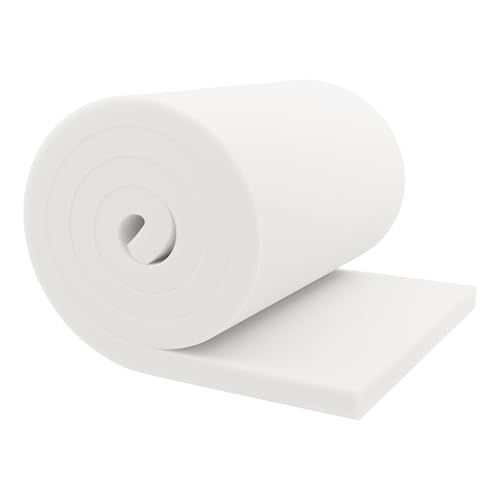
GoTo Foam offers a 1″ height cushion sheet measuring 24″ by 72″ with a 44 ILD rating and 1.79 density. This option is Made in the USA and Certipur certified, ensuring quality and safety for residential and commercial upholstery projects. The 1.79 density provides a firm yet comfortable feel, suitable for sofa seats, cushions, and bench replacements that require robust support. Its open-cell polyurethane composition makes it easy to cut and shape for custom builds.
FOAMYFOAM High Density 1″ Thick, 30″ x 72″ Upholstery Foam

This FOAMYFOAM option provides a 1″ thick, 30″ wide, 72″ long sheet with a 1.8 density and 44 ILD. The product is positioned as a durable replacement for seat cushions, couches, and benches across various upholstery projects. It’s designed to maintain structure under regular use, and the vendor notes that they offer custom cuts and sizes to match specific needs. The foam’s high density supports longer-lasting comfort and shape retention.
GoTo Foam 1″ x 24″ x 72″ Black Sheet (44 ILD, 1.8 Density)
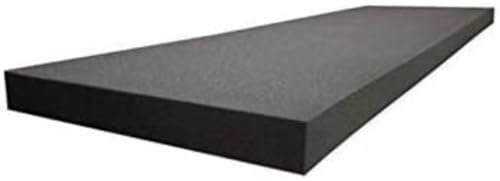
This GoTo Foam sheet uses an open-cell polyurethane composition with a 1.8 density and 44 ILD, delivering firmer support while remaining workable for cutting and shaping. It’s well-suited for seat cushions, bench padding, or DIY projects where long-lasting form and resistance to compression are important. The charcoal color option can be a practical aesthetic choice for certain furniture styles or applications like soundproofing panels in addition to cushions.
FoamTouch High Density 1″ x 24″ x 72″ Upholstery Foam

FoamTouch offers a durable 1″ foam with 1.79 lb density and 45 lb ILD, designed for couch cushions, chairs, benches, and a range of upholstery projects. Made in the USA, this foam promises reliable longevity and resilience, typically delivering 5-7 years of use when properly covered and employed. The product line emphasizes versatility—suitable for household furniture and more design-intensive builds like custom benches or replacement cushions for boats and RVs.
FOAMYFOAM High Density 1″ Thick, 24×72 Upholstery Foam

This FOAMYFOAM 1″ thick cushion measures 24″ by 72″ with a 1.8 density and 44 ILD, emphasizing durability and support for daily use. It’s positioned as a versatile option for seat cushions, couch cushions, and bench cushions, with the vendor offering custom sizing to fit unique frames or furniture rebuilds. The density level ensures a stable feel under occupants while preserving shape over time.
FoamTouch 1″ X 24″ X 84″ Upholstery Foam Cushion
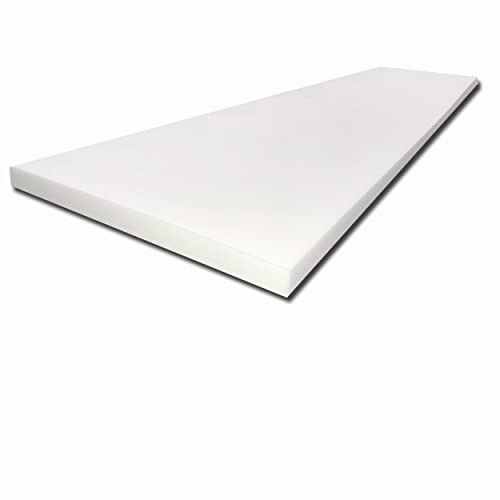
This FoamTouch option provides a longer 84″ length while maintaining a 1″ thickness, which can be ideal for longer cushions, tables, or custom panels. It features a 45 ILD and 1.79 density, aiming to balance resilience with comfort. The product emphasizes a 100% recovery rate, meaning the foam returns to its original shape after compression, contributing to longevity and consistent performance in upholstery projects that demand reliable support over time.
Buying Guide: Key Purchase Considerations
Material composition and safety: Most 1″ upholstery foams use open-cell polyurethane. Look for Certipur certified foams for low emissions and consistent quality. Density and ILD ratings indicate how firm the foam will feel and how well it will rebound after use.
Application and fit: Measure your cushion frames precisely. Foam thickness, width, and length must align with the seating surface. Consider whether you need extra compression resistance for high-traffic areas or a softer feel for comfort-oriented furniture.
Durability and longevity: Higher density and ILD ratings generally translate to longer life and less sagging. If your project is in a sunny or humid environment, check for color stability and material resilience to temperature changes.
Cutting and shaping: Choose foams that are easy to cut with a sharp knife or saw and that hold edges cleanly for clean upholstery seams. Some foams ship in oversized formats that you can trim on-site for a snug fit.
Support needs: For seating that bears heavy use, prioritize firmer foams (higher ILD) to prevent premature compression. For decorative or low-use cushions, a slightly softer blend may be preferable for comfort.
Cost and availability: While performance matters, availability in specific sizes can influence your choice. Vendors offering custom cuts can help if your frame dimensions are non-standard.
Care and maintenance: Most foams resist moisture but avoid prolonged exposure to water. Cover foams with durable upholstery fabric to protect the surface and extend life, especially in high-use settings.
Environmental impact: Domestic production may reduce transport emissions and support local economies. If manufacturing origin matters to you, verify the foam’s production details and certifications.