Choosing the right cone for a 120V kiln can dramatically affect the quality and consistency of glaze firings. Cone 6 is a common target for many mid-temperature ceramic firings, offering a repeatable indicator of heat work inside standard kilns. This guide highlights five reliable options from trusted brands, explains how to read the cones, and helps you compare performance, compatibility, and durability to support reliable, repeatable results in American studios and classrooms.
Summary of chosen products
- Orton Cones – Pyrometric Cones For Monitoring Ceramic Kiln Firings-Cone 6 (1 Pkg/50)
- Orton Cones – Self-Supporting Cone 06 Pyrometric Cones For Monitoring Ceramic Kiln Firings (Pkg/25)
- Orton Cones – Pyrometric Cones For Monitoring Ceramic Kiln Firings-Cone 06 (1 Pkg/50)
- Orton BRB O6 Pyrometric Bar Cones for Ceramic Kilns
- VITALNOS – 50 Pack Pottery Kiln Nails (High-Temperature Refractory Support) for Kiln Shelving
Orton Pyrometric Cone 6 For Kiln Firings

Orton recognizes cone 6 as a reliable reference point for heat-work in many mid-range firings. This package contains 50 cones designed to bend at approximately 2232°F, though actual bending depends on kiln performance and loading. Used on a shelf or in a kiln sitter, these cones help determine firing completion and detect under- or over-fired conditions. The compositions are engineered for repeatable bending within a tight temperature window, supporting consistent results over time.
Orton Self-Supporting Cone 06 For Kilns

This self-supporting cone 06 set is mounted without a separate cone holder, simplifying setup and saving space inside the kiln. The fixed mounting height and angle support consistent readings across firings. Ideal for users seeking reliable, repeatable results without additional hardware. Orton’s cone design emphasizes stable performance across the firing cycle, making it a practical option for busy studios and classrooms.
Orton Cone 06 For Ceramic Firings

These cones are designed for use with cone holders or kiln sitters and are touted as the most accurate method to control ceramic firings. Orton’s historic expertise—dating back to 1896—underpins the consistency you can expect, with a focus on repeatable bending at the target temperature. Use this cone with standard shelf setups to verify temperature progression and glaze outcomes during firing.
Orton BRB O6 Pyrometric Bar Cones

Bar cones offer an alternative reading method for kiln sits and controllers. The O6 bar cones are designed to read for Duncan and Mayco low-fire glazes, providing guidance from bisque to 04 and glaze to 06. This option is valuable for users who rely on shorter, compact indicators within kiln sitters, and who want a straightforward indication of heat-work completion.
VITALNOS Kiln Nails For High-Temp Firings
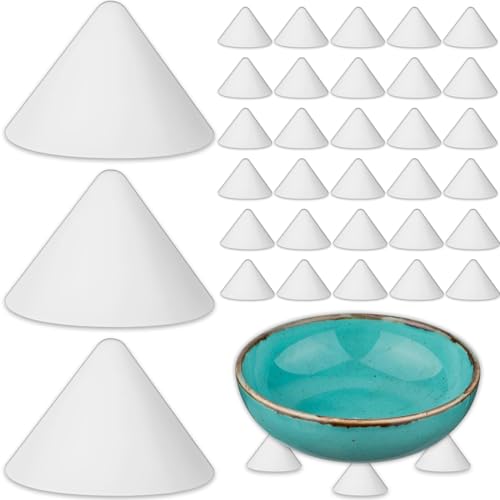
While not a cone, kiln nails provide critical support during high-temperature firings and glaze work. Designed to resist temperatures up to 2516°F, these nails help prevent glaze sag and support even heat distribution on kiln shelves. The reusable alumina construction supports multiple firing cycles, offering a cost-effective way to maintain consistent shelf performance across sessions.
Buying Guide: Key Considerations For Cone 6 Readings And 120V Kilns
- Compatibility: Ensure the cone type matches your kiln sitter or shelf cone holders. Cone 6 is widely supported, but confirm whether your kiln relies on bar, cone, or sitter readings.
- Reading consistency: Look for cones with tight tolerances and repeatable bending. Brands with long manufacturing histories, like Orton, provide dependable performance.
- Volume and handling: Choose the right quantity for your firing schedule. Larger packs are beneficial in classrooms or studios with frequent firings; smaller packs suit occasional use.
- Durability and storage: Store cones in a cool, dry place to prevent pre-bending. Fixed-mount or self-supporting designs reduce accidental misreadings during loading.
- Additional tools: Consider kiln posts, nails, or other shelving accessories to maximize heat distribution and prevent glaze defects, especially in high-temperature firings.
- Reading method: Decide between shelf-mounted cones, kiln-sitter cones, or bar cones. Each method has its pros and cons related to ease of use, accuracy, and maintenance needs.
- Fireing range: If you work a wide temperature range beyond cone 6, evaluate a mix of cones (e.g., 04, 06, and 10) to cover different glazes and clays.
- Brand reliability: Favor established brands with documented performance across decades. This reduces the risk of inconsistent readings and helps you maintain a repeatable process.
Additional Considerations For 120V Kilns
120V kilns are common in small studios and educational settings. When selecting cones, consider how the kiln’s electrical system and controller affect actual heat-work. Some kilns achieve target temperatures more quickly or gradually, which can shift the moment of cone bend. Regular checks and standardized firing schedules help ensure that cone readings align with glaze development and body maturity. In medium-fire environments, cone 6 remains a standard marker for stability and repeatability, making these Orton options a practical starting point for most users.
FAQ
- What is cone 6 typically used for?
Cone 6 indicates a medium-firing range commonly used for oxidation or reduction glazes in many stoneware and pottery firings.
- Are bar cones different from standard cones?
Yes. Bar cones provide an alternate reading method and can be used in certain kiln setups or with specific glaze programs.
- Can I reuse pyrometric cones?
Cones are designed for single-use readings, but some users repurpose cones for educational demonstrations. For accurate readings, use fresh cones for each firing.