Choosing the right seam sealer is essential for long-lasting automotive repairs. This guide highlights top two-part and high-build sealers designed for OEM-like finishes, corrosion resistance, and durable flexibility. We compare self-mixing systems, heavy-bodied formulations, and ready-to-use kits to help you select the best option for trunks, door seams, floor panels, and roof seams. Explore practical considerations, application tips, and how these products perform across different vehicle materials for a professional, factory-like result.
| Product | Brand | Type | Best For |
|---|---|---|---|
| 3M Heavy-Bodied Seam Sealer | 3M | Two-part epoxy | Vertical & horizontal seams, OEM appearance |
| J-B Weld Heavy Bodied Seam Sealer | J-B Weld | Two-part epoxy | Non-sag, door seals, floor panels |
| 3M Self-Leveling Seam Sealer | 3M | Two-part epoxy | Flowable seams, quick leveling |
| Polymix High Build Seam Bonding Adhesive | Polymix | Solvent-based adhesive | OEM-like seams, precise control |
| Polymix High Build Seam Sealer 200ml | Polymix | Two-part/ready-to-use | Factory-like finish, versatile substrates |
3M Heavy-Bodied Seam Sealer
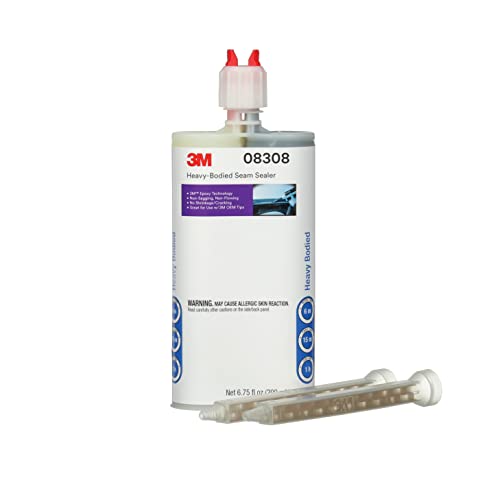
3M Heavy-Bodied Seam Sealer is a two-part epoxy designed to seal vertical and horizontal seams while matching OEM seals. Its metered dual-syringe cartridge prevents manual mixing hassles and mess, delivering a controlled mix ratio. The heavy-bodied formula resists sag, allowing easy tooling to reproduce factory seam appearances.
J-B Weld Heavy Bodied Seam Sealer

J-B Weld Pro-Series Heavy Body Seam Sealer is a two-part epoxy designed for corrosion resistance that stays flexible and resists shrinking or cracking. It’s suited for non-sag applications across door seals, floor panels, trunks, and roof seams, with a working time of about 10 minutes and a full cure in roughly an hour to a black finish.
3M Self-Leveling Seam Sealer

Designed for areas needing a flowable sealant, the 3M Self-Leveling Seam Sealer is a two-part epoxy that cures quickly, enabling painting in about 15 minutes. Its transparent color helps achieve a low-profile appearance on repaired seams, reducing visibility of the sealer after finishing.
Polymix High Build Seam Bonding Adhesive

Polymix High Build Seam Bonding Adhesive is a solvent-based, two-part system designed to recreate OEM-style seams. It arrives as a ready-to-use kit with a 50ml cartridge and two mixing nozzles, enabling precise dispensing for seams such as trunks, floor pans, and wheel wells. It emphasizes strong adhesion and durability on metal and primed substrates.
Polymix High Build Seam Sealer 200ml

Polymix High Build Seam Sealer 200ml is designed to replicate factory seams, welds, and high-build bead textures for collision repair. The kit includes a 200ml cartridge and two static mixing nozzles, requiring no extra tools to mix. It offers strong adhesion to metal, painted, and primed surfaces, with proven flexibility and durability.
Fortivo 2 Pack Automotive Seam Sealer

[Note: Fortivo product listed for reference in the selection; this entry focuses on a two-pack polyurethane seam sealer designed for quick-set, paintable finishes on metal surfaces and RV roofs. It emphasizes strong adhesion, weather resistance, and ease of use with standard urethane caulk guns, enabling seamless gap filling without extensive surface prep.]
Polymix Panel Bond 20 Adhesive

Polymix Panel Bond 20 Adhesive is a two-part urethane designed to bond steel and aluminum. It is commonly used to replace structural panels such as quarter panels, roofs, box sides, and door skins, offering structural bonding strength alongside seam sealing capabilities for automotive restoration projects.
SU80 Seam Sealer For Vinyl Flooring
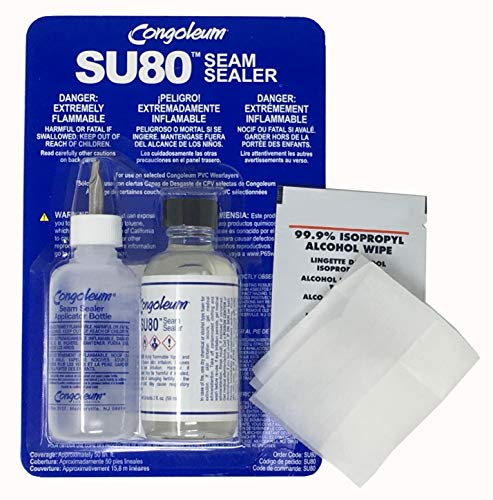
SU80 Vinyl Flooring Seam Sealer is a one-part sealer designed for PVC wear layers on vinyl flooring. While primarily used in flooring applications, it demonstrates the availability of one-part systems that complement two-part options for mixed-material repairs. This kit includes everything needed for sealing seams in vinyl installations.
Buying Guide: Key Purchase Considerations
Seam sealers vary in curing time, flow characteristics, substrate compatibility, and finish. When choosing a product, consider:
- Formulation and cure: Two-part epoxies offer strong adhesion and OEM-like finishes but require mixing. Self-leveling and heavy-bodied options reduce sag and tooling effort, depending on seam orientation.
- Primed vs bare metals: Some sealers bond well to painted surfaces, while others require primers. Confirm substrate compatibility for your project.
- Flexibility and durability: Choose a formulation that remains flexible after curing to accommodate thermal expansion, vibration, and environmental exposure.
- Application method: Cartridge-based, two-nozzle systems simplify mixing. Ready-to-use kits can save time on small repairs but may be more expensive per ounce.
- Appearance: OEM-like finishes and low-profile appearances help minimize post-repair sanding and repainting. Transparent or neutral colors can improve aesthetics under paint.
- Cure time and paint readiness: Quick-curing options enable faster painting windows. Plan workflow to avoid contamination or dirt during cure.
- Versatility: If you perform floor, trunk, wheel well, and door seam repairs, consider products that deliver consistent performance across multiple substrates.
In professional settings, engineers and technicians often select a combination of products to address different seams and conditions. For example, a heavy-bodied two-part system can tackle vertical welds and large gaps, while a self-leveling option excels in horizontal, low-visibility seams. Always follow manufacturer instructions for surface prep, mixing ratios, pot life, and curing conditions to ensure reliable results.