Exploring terra cotta air dry clays provides an affordable, kiln-free path to sculpting, hand-building, and art projects at home or in the classroom. This guide highlights five popular options that deliver smooth texture, strong detail, and dependable self-hardening properties. Each product is evaluated on plasticity, drying behavior, and overall versatility to help you choose the right clay for beginners, hobbyists, or professional studios.
| Product | Brand | Weight | Notes | Best For |
|---|---|---|---|---|
| Crayola Air Dry Clay | Crayola | 5 lb | Terra cotta color; bulk project capacity | Kids crafts; classrooms |
| Activa Supreme Air-Dry Clay | Activa | 3.3 lb | Ultra-fine grain; premium grade | Detailed sculpting; studio use |
| DAS Air-Hardening Modeling Clay | DAS | 1.1 lb | Smooth texture; easy to mold | Decorations; quick projects |
| AMACO Terra Cotta Air Dry Clay | AMACO | 10 lb | Multiple techniques; American-made | Education; bulk projects |
| Old Potters Premium Air Dry Clay | Old Potters | 10 lb | Fine texture; smooth glide | Skill-building; long-term sculpting |
The selections below are organized to help you compare essential factors: plasticity, drying behavior, texture, and suitability for different environments. Each product section provides a concise overview, key benefits, and practical use tips to maximize results with terra cotta air dry clay.
Crayola Air Dry Clay For Kids (5lbs) — Terra Cotta
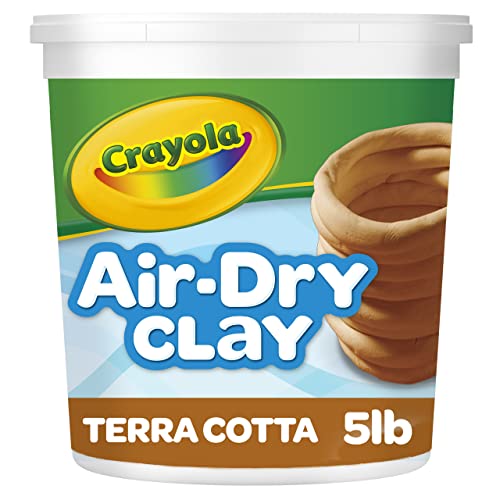
Crayola’s bulk air dry clay comes in a generous 5-pound bucket, offering ample material for multiple projects. The terra cotta color provides a natural, earthy tone ideal for pottery-inspired sculptures, figurines, and decorative items. Its easy-to-mold composition supports quick learning curves for kids and beginners while remaining versatile enough for more complex pieces. The product dries without baking, turning soft modeling sessions into durable finished works once air-dried. It also accepts acrylic or project paints for added detailing, enabling vibrant finishes on natural tones.
Key usage notes: store the bulk clay in a resealable container to prevent drying between sessions; allow adequate drying time for thicker pieces; consider grouping projects by color family to maintain consistency across a series.
Activa Supreme Air-Dry Clay — Terracotta

Activa’s premium air-dry clay is designed for professional-grade results with exceptional plasticity. The ultra-fine grain contributes to fine detail and smooth surfaces, making it suitable for studio, classroom, or hobby use where precision matters. The self-hardening formulation eliminates oven or kiln requirements, while the natural earth composition supports a realistic terra cotta appearance. Its pliability accommodates both hand modeling and tool-assisted shaping, enabling detailed work from delicate textures to complex forms. The clay is well-regarded for projects that demand long-term stability after curing.
Practical guidance: work in manageable portions to prevent drying on exposed surfaces; keep tools lightly lubricated or dampened to maintain surface smoothness; test small test pieces to gauge shrinkage and strength before large builds.
DAS Air-Hardening Modeling Clay — Terra Cotta

DAS air-dry clay is celebrated for its smooth, even texture that requires no oven-baking. The Terra Cotta variant offers stress-free crafting with quick hardening and simple workflow. It excels in molding, sculpting, and creating decorative items, jewelry components, or figurines. The clay is highly pliable, facilitating fast shaping and rework. With DAS, you can rely on easy forming and good detail—especially when paired with DAS tools that help refine edges and features. The material optionally accepts additional surface treatments after drying.
Working tips: cut pieces cleanly to avoid distortion in drying; use light pressure when molding to preserve fine details; plan for slight shrinkage and plan detail accordingly.
AMACO Terra Cotta Air Dry Modeling Clay — 10 lb
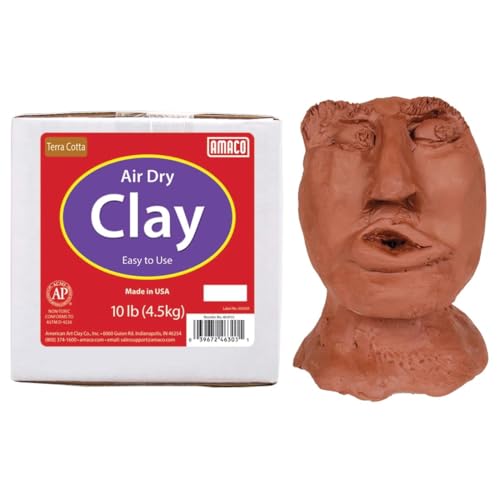
AMACO’s Terra Cotta Air Dry Clay comes in a sizable 10-pound package, making it a practical choice for classrooms, camps, and bulk art projects. Its versatility supports multiple methods, including coiling, pinching, slab building, and sculpting. The clay’s terra cotta tone provides an authentic earthy look that translates well into busts, vases, and rustic decorative pieces. Being made in the USA adds a regional quality assurance that educators often value for lesson planning and procurement. This clay is well-suited for group projects and recurring art activities demanding consistent material performance.
Practical considerations: ensure even thickness to prevent uneven drying; cover unused portions to minimize surface cracking; test fit with standard armatures for larger figures.
Old Potters Premium Air Dry Clay — Terra Cotta

Old Potters offers a premium terra cotta air dry clay with a smooth, easy-to-handle texture designed to glide across the hands. This 10-pound option supports creativity across projects, from beginner hand-building to more advanced sculpting exercises. The clay’s soft yet cohesive consistency helps with clean edges and comfortable kneading, while its natural composition supports safe use in educational settings and homes alike. Its thickness tolerance and cohesive shrinkage behavior make it a reliable choice for models, jars, and small-scale sculpture projects.
Tips for best results: work in a clean, dry space; gradually add moisture to stiffen clay without oversaturation; use a light spray bottle to maintain pliability during longer sessions.
Buying Guide: Terra Cotta Air Dry Clay — Key Purchase Considerations
When selecting terra cotta air dry clay, consider plasticity, drying behavior, and end-use outcomes. For beginners or classrooms, softer clays with forgiving textures reduce frustration and improve success rates on first projects. For more detailed work, ultra-fine grained clays provide crisp edges and fine surface finish.
Important factors to assess include: drying shrinkage (how much the piece contracts as it dries), strength after curing, ease of smoothing and feathering edges, and compatibility with paints or sealants. Some clays perform better with surface treatments like acrylic paints or varnishes; others take well to sanding and minor carving after drying. Additionally, bulk options (such as 5–10 lb bags or large buckets) are practical for groups or ongoing programs, but they may require more storage and longer drying times for larger pieces.
Consider your environment: well-ventilated spaces, stable room temperatures, and controlled humidity help minimize cracking and warping. For educational settings, choose clays labeled as non-toxic and odorless to support safety and comfort during extended sessions. Finally, plan for a mix of projects: hand-building, coils, slabs, and sculptural studies all benefit from a clay with good plasticity and minimal cracking.