Beaded tongue and groove joints add a decorative, classic look to wood projects, while maintaining strong, flush seams. The right set of router bits can produce clean, repeatable bead profiles on plywood, hardwoods, and composites. Below are five top Freud bits designed for decorative groove and bead work, offering different radii, shank sizes, and bearing configurations to suit a range of templates and edge profiles. Use these to achieve professional-looking edges on furniture, cabinetry, trim, and paneling.
| Product | Brand | Key Features |
|---|---|---|
| Freud 39-102: 1/8″ Radius Cove & Bead Groove Bit | Freud | Two cutters, 1/4″ shank, 1″ dia, creates classic cove and bead grooves; suitable for plywoods, hardwoods, softwoods |
| Freud 39-100: 3/32″ Radius Cove & Bead Groove Bit | Freud | Two cutters, 1/4″ shank, 3/4″ dia, versatile decorative groove with quality finish |
| Freud 39-502: 3/4″ Top Bearing Cove & Bead Groove | Freud | Top bearing, 1/4″ shank, 3/4″ dia, produces refined cove/bead profiles with template guidance |
| Freud 39-506: 1-3/8″ Top Bearing Cove & Bead Groove | Freud | Top bearing, 3/8″ shank, large radius bead groove for dramatic edge detail; template-ready |
| Freud 5/32″ Radius Cove & Bead Groove Router Bit (39-101) | Freud | TiCo Hi-Density Carbide, 3/4″ dia, 1/4″ shank, ornamental edges and grooves with long-lasting sharpness |
Note: All product information reflects the features listed by the manufacturer. This guide focuses on beaded tongue and groove edge profiles suitable for a variety of woodworking projects in the American market.
Freud 39-102: 1/8″ Radius Cove & Bead Groove Bit

Specs: Number of Cutters 2, Overall Dia. 1″, Overall Length 1-3/4″, Shank Dia. 1/4″. Small Dia. 3/4″, Carbide Height 1/2″, Radius 1/8″. Routs decorative edges or grooves on plywoods, hardwoods, and softwoods. Suitable for beaded tongue and groove profiles with consistent results.
Freud 39-100: 3/32″ Radius Cove & Bead Groove

Specs: Number of Cutters 2, Overall Dia. 3/4″, Overall Length 1-5/8″, Shank Dia. 1/4″. Small Dia. 9/16″, Carbide Height 3/8″, Radius 3/32″. Routs edges or grooves that add decorative detail; compatible with standard edge profiles for tongue and groove boards.
Freud 39-502: 3/4″ Top Bearing Cove & Bead Groove
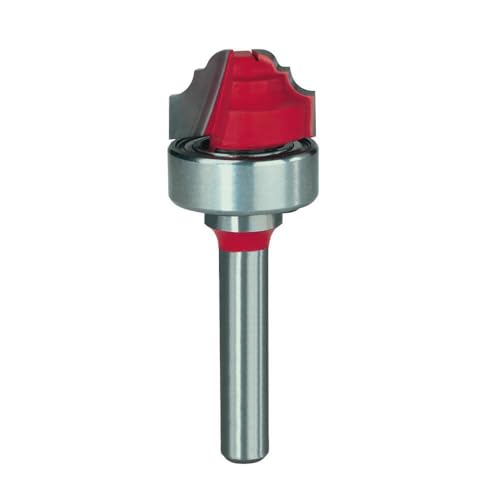
Specs: Large Radius 1/8″, Number of Cutters 2, Overall Dia. 3/4″, Overall Length 2-1/8″, Shank Dia. 1/4″, Small Dia. 1/4″, Small Radius 3/32″, Carbide Height 7/16″. Use with templates to produce beautiful cove and bead grooves; suitable for a range of materials including plywoods and hardwoods.
Freud 39-506: 1-3/8″ Top Bearing Bead Groove

Specs: Large Radius 3/16″, Number of Cutters 2, Overall Dia. 1-3/8″, Overall Length 2-7/16″, Shank Dia. 3/8″, Small Dia. 27/32″, Small Radius 5/32″, Carbide Height 9/16″. Features top-bearing guidance for precise cove and bead profiles; designed for durable performance on multiple wood types.
Freud 5/32″ Radius Cove & Bead Groove (39-101)
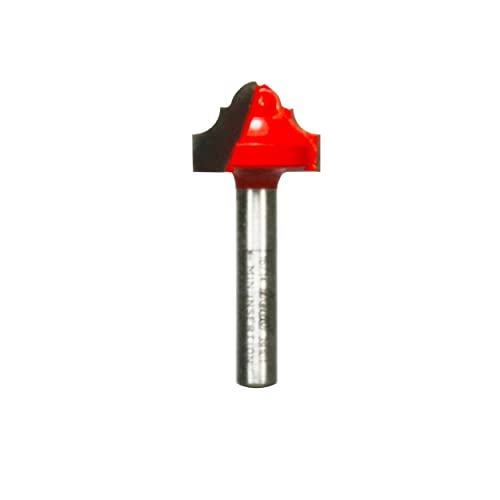
Specs: 3/4″ diameter, 1/4″ shank, 2 cutters, TiCo Hi-Density Carbide for long-lasting sharpness. Designed for ornamental edges and decorative grooves; compatible with edge guides or fences for precise, clean results across hardwoods and softwoods.
Freud 39-506: 1-3/8″ Top Bearing Bead Groove
Note: This entry reiterates a large-radius option for pronounced bead profiles; ideal for bold, decorative joints on larger panels or mantels. The top-bearing design supports template-guided routing for consistent results on multiple pieces.
Buying Guide: Beaded Tongue And Groove Router Bits
Beaded tongue and groove joints require careful consideration of bead radius, shank size, bearing type, and compatibility with your router and template system. Here are key purchase considerations and comparisons to help you choose:
- Bead radius: Smaller radii yield delicate edges; larger radii create dramatic profiles. Match radius to project style and material thickness.
- Shank diameter: 1/4″ is standard and widely compatible; 3/8″ shanks offer greater rigidity for larger bits but may require larger collets.
- Bearing type: Top-bearing bits guide along templates for straight, repeatable grooves; cabinet-style edge bearings support precise edge work on vertical surfaces.
- Number of cutters: Two-cutters typically provide efficient cutting and smoother finishes; ensure your router can handle the load and RPM requirements.
- Material compatibility: Confirm the bit’s carbide grade (e.g., TiCo Hi-Density) and coating for heat resistance when cutting hardwoods or dense composites.
- Router compatibility: Ensure your router’s collet and speed range are suitable for the bit’s diameter and carbide type; slower speeds reduce tear-out on hard woods.
- Edge and decorative options: For beaded joints, consider both decorative groove depth and whether you’ll rely on a fence or edge guide for alignment across panels.
- Template and fence alignment: Consistency across boards depends on precise template guides and proper clamping; plan for scrap testing before final cuts.
- Maintenance: Keep bits clean and free of resin; re-sharpen or replace when cutting quality degrades to prevent chipping or tear-out.
These considerations help ensure clean, repeatable beaded tongue and groove joints across various wood types and project scales, suitable for both hobbyist shops and professional cabinetry work.