Cholla cactus wood adds natural texture and sculptural interest to terrariums, aquariums, and craft projects. This guide highlights top cholla wood picks that pair well with air plants, shrimp tanks, reptiles, and DIY decor. Each selection features unique honeycomb patterns, hollow interiors, and organic color that can enhance any natural habitat or craft project.
| Product | Brand | What It Is For |
|---|---|---|
| Natural Cholla Wood Decorative Holders | Generic | Air plants, terrariums, crafts |
| SubstrateSource Natural Cholla Wood | SubstrateSource | Aquariums, air plant bases, reptile habitats |
| Awesome Aquatic 12 inch Teddy Bear Cholla Wood | Awesome Aquatic | Aquariums, moss/plant attachments, habitat structures |
| Awesome Aquatic up to 2 in Thick XL Teddy Bear Cholla Wood | Awesome Aquatic | Large habitat decor, climbing and hiding spots |
| 3, 6, 9, 12 Inch All Natural Teddy Bear Cholla Wood | My Pet Patrol | Natural enrichment for tanks and terrariums |
Note: This article focuses on cholla wood products suited for decorative and habitat-enhancing crafts. Each item is valued for its natural, porous skeleton and distinctive textures that support microfauna, plant attachment, or creative display. Images and product pages link directly to Amazon listings for convenient shopping and verified size options.
Natural Cholla Wood Decorative Holders

These authentic cholla wood pieces showcase honeycomb-like patterns and hollow interiors ideal for small air plant displays, terrariums, or decorative accents in homes and offices. Each piece is a natural, one-of-a-kind sculpture with intricate textures that invite creative arrangements. The wood’s porous skeleton not only looks striking but can also support light plant attachments, moss, or tiny succulents. Because no two pieces are identical, you gain a unique focal point for any display or craft project.
SubstrateSource Natural Cholla Wood

Cholla driftwood sticks are designed to create a natural appearance while adding hiding places for small aquarium inhabitants, such as shrimp or hermit crabs. They also serve as anchors for live plants like anubias or moss, enabling a sunken-log aesthetic. The wood is all-natural and dried, with a porous, hollow structure that supports microfauna. Suitable for terrariums and reptile habitats as well, it contributes to a desert-meets-tresh habitat look while staying safe and untreated for animals.
Awesome Aquatic 12 Inch Teddy Bear Cholla Wood

This 12-inch cholla wood features a thick 2-3 inch diameter and is dried, aged, and pesticide-free. Its natural skeleton-like structure provides climbing and hiding opportunities for shrimp, fish, and other tank inhabitants. The wood also supports plant or moss attachments, creating a natural habitat that helps stabilize the environment by releasing tannins and buffering pH. Its hollow tubes house microfauna, offering a built-in biofilm source for shrimp and other small organisms. It suits terrariums as well as aquariums, making it a versatile centerpiece.
Awesome Aquatic XL Teddy Bear Cholla Wood
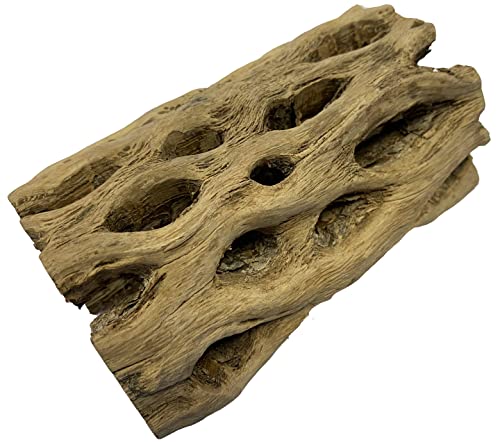
Available in a large 6-inch by 2-3 inch diameter format, this cholla wood is ideal for creating substantial hiding spots and climbing structures in larger aquariums or terrariums. It’s organically dried and free from fertilizers and pesticides, ensuring safety for aquatic and terrestrial inhabitants. Like other cholla pieces, it supports plant attachment, fosters microfauna, and contributes a natural aesthetic. Its hollow interiors provide shelter for small critters and add architectural interest to mixed habitats.
3, 6, 9, 12 Inch Teddy Bear Cholla Wood
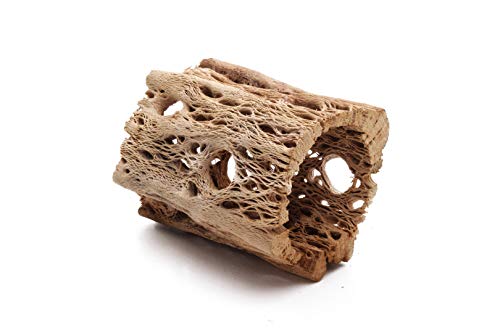
Selected for natural enrichment and habitat variety, this teddy bear cholla wood is prized for its extra-hollow structure and durability. It is widely used in aquariums and shrimp tanks, offering shelter, climbing spaces, and a natural biofilm surface to support microfauna. The cut is available in multiple sizes (1 piece, 3 inches, or larger configurations) to accommodate different tank dimensions or terrarium layouts. Its natural look and texture provide a striking focal point in any habitat project.
Buying Guide: Key Purchase Considerations
When selecting cholla cactus wood for crafts or habitats, consider the following factors to ensure a suitable choice for your project:
- Purpose and placement: Determine whether the wood will be a focal sculpture, a hiding structure for fish or invertebrates, or a decorative accent in a terrarium. Size and hollow interior depth impact suitability for inhabitants and plants.
- Size and weight: Cholla pieces range from small driftwood sticks to large hollow tubes. Larger pieces create dramatic centerpieces, while smaller pieces are ideal for microhabitats or craft projects.
- Safety and treatment: Look for untreated, pesticide-free wood to protect pets and plants. Natural, dried cholla minimizes chemical concerns but confirm the product notes for any coatings or processing.
- Plant compatibility: If integrating live plants or moss, ensure your wood provides ample attachment surfaces and stability for the chosen plant species.
- Habitat benefits: The hollow, porous structure supports biofilm development and microfauna, which can enhance feeding and natural behaviors for shrimp, fish, reptiles, and invertebrates.
- Aesthetic considerations: The natural textures, honeycomb patterns, and color variations contribute to a rustic or desert-inspired look that complements contemporary or rustic decor.
- Maintenance: Regular cleaning or gentle rinsing may be needed to remove dust or debris before introducing to tanks or terrariums. Avoid harsh chemicals that could affect inhabitants.
- Durability and mounting: For larger displays, plan how to secure pieces in place. Some cholla structures are ideal for attaching plants with fishing line or aquarium-safe adhesives.
Across these selections, buyers weigh natural aesthetics against habitat functions. For air plant displays, the decorative holders and smaller cholla sticks can serve as standalone art pieces or as plant supports. For aquariums and terrariums, the thicker, hollow teddy bear varieties provide robust hiding places and a canvas for moss and plant attachments while contributing to a natural bioscape. The all-natural, untreated options help preserve water quality and animal health, aligning form and function in multi-purpose craft and habitat projects.