Exploring cold-pressed soap making means focusing on natural ingredients that deliver reliable results. The following selections cover colorants, premixed oils, essential oils, and comprehensive kits to support beginners through seasoned makers. Each product combines quality ingredients with practical usage to help you craft handmade soaps, bath treats, and body care items with confidence.
| Product | Brand | Notes |
|---|---|---|
| Natural Soap Making Colorant Set | Splendor Santa Barbara | 16 color packets, includes clays and naturals for DIY cosmetics |
| Essential Depot Starter Soap Making Kit Deconstructed | Essential Depot | Comprehensive introductory kit with lye, base oils, PPE, and mold |
| Pifito Soap Making Oils Mix No. 2 | Pifito | 60 oz pre-measured oil blend for quick, consistent cold process soap |
| KUKKA Rosemary Essential Oils | KUKKA Essential Oils | 4 oz bottle for scenting soaps, diffusers, and DIY blends |
| CraftZee Premium Deluxe Soap Making Kit | CraftZee | All-in-one melt-and-pour kit with bases, molds, fragrances, and dyes |
Natural Soap Making Colorant Set

The colorant set provides 16 resealable packets with natural hues and textures, including rose, green clay, turmeric, beet root, spirulina, and activated charcoal. Color samples are designed to work quickly in melt-and-pour or cold process recipes, reducing the need to source individual pigments. The kit also includes two bonus packets with natural exfoliants and additives. This selection suits makers who want a broad palette and practical quantities for small batches.
Essential Depot Starter Soap Making Kit Deconstructed

This deconstructed starter kit is designed for education and hands-on learning. It includes PPE, base oils (olive, coconut, castor), 5 ounces of lye, scented additives, a mold, printed instructions, and equipment like a spatula and mixing bowl. With the loaf format supporting 11 x 1 inch bars, it is suitable for classrooms or individuals beginning their soap journey who want to understand the process from start to finish.
Pifito Soap Making Oils Mix No. 2
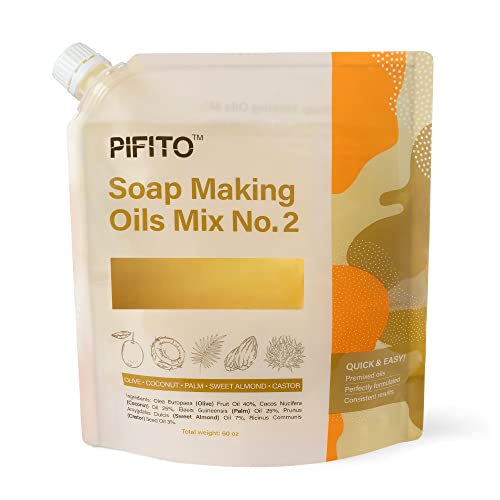
The No. 2 mix provides a balanced blend of olive, coconut, palm, sweet almond, and castor oils in a ready-to-use pouch. It’s marketed for speed and consistency, eliminating lengthy oil measurements. The pouch is microwave-safe for easy liquefaction, which helps streamline the melt-and-pour and cold process workflows while maintaining predictable results.
KUKKA Rosemary Essential Oils
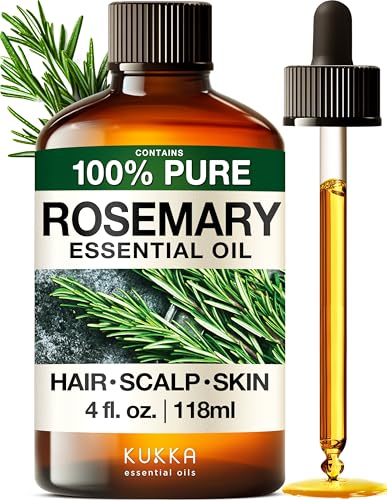
Rosemary essential oil adds a fresh, herbaceous aroma to soaps and skincare formulations. It can be used in small amounts (1–2 drops per carrier oil) for hair, skin care, or diffuser blends. Rosemary’s scent profile is well-suited for masculine or spa-inspired products and can complement other essential oils in layered scent combinations.
CraftZee Premium Deluxe Soap Making Kit

This all-in-one kit includes melt-and-pour bases, soap cutter, silicone loaf molds, fragrance oils, liquid dyes, natural decor like dried petals, and comprehensive tools. It’s designed for beginners and hobbyists seeking a complete, ready-to-use kit that supports creative experimentation and quick results without sourcing each item separately. The included instruction manual helps guide process and safety practices.
Rice Bran Oil Cold Pressed (Excluded From List)
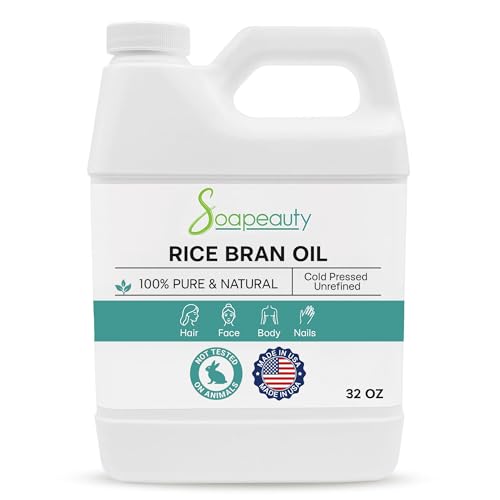
Note: This article references a variety of cold-pressed carriers and additives. Rice bran oil is commonly used as a gentle moisturizer and carrier oil in soap-making, offering a light texture and nutrient-rich profile. It can be integrated into recipes for skin-friendly batches, depending on formulation goals and local regulations for lye-based processes.
Buying Guide
- Ingredient quality and sourcing: Look for natural pigments, essential oils, and base oils labeled as cold-pressed, unrefined, or pure. This ensures the most gentle and effective results in homemade soaps.
- Kit completeness: Decide between colorant sets, premixed oil blends, or all-in-one kits. Beginners may prefer comprehensive kits that include molds, bases, and tools, while experienced makers may want to customize with separate components.
- Usability and batch size: Consider whether you’re crafting small test batches or larger loaves. Pouch-based oils can speed up preparation, and melt-and-pour bases reduce complexity for beginners.
- Safety and PPE: When handling lye, choose kits that supply PPE (gloves, goggles, apron). For classrooms or shared spaces, educational kits with printed instructions can be beneficial.
- Fragrance and color compatibility: Ensure dyes and essential oils are designed for cosmetic use and compatible with soap bases. Some dyes work better in melt-and-pour while others are suitable for cold process.
- Customization potential: Look for products that support both melt-and-pour and cold process methods. A versatile selection enables experimentation with textures, colors, and scents.
- Storage and shelf life: Sealed color packets and oils with clear expiration dates help maintain quality. Proper storage protects color integrity and prevents contamination.
- Educational value: If teaching or learning, kits with step-by-step guides and safety notes provide structured and repeatable results for students and hobbyists alike.