When you’re finishing 3D-printed parts, the right epoxy resin coating or clear finish can dramatically improve surface smoothness, durability, and water resistance. This guide highlights top epoxy resin and compatible coatings designed for 3D-printed parts, including clear top coats, brush-on coatings, and color-ready epoxy systems. Each selection is evaluated for clarity, hardness, cure time, and safety to help makers in the United States choose the best option for SLA, FDM, and other printing workflows.
| Product | Brand | Key Benefit | Type |
|---|---|---|---|
| Smooth-On XTC-3D 20 3D Print Coating | Smooth-On | Smooths and seals prints with hard, impact-resistant coating | Brush-on epoxy coating |
| MAX CLR A/B Crystal Clear Epoxy Resin Coating | The Epoxy Experts, MAX EPOXY SYSTEMS | Crystal-clear, FDA-compliant coating with waterproof finish | Epoxy resin system |
| Smooth-On XTC-3D 20 Mold Making & SFX Silicone | Smooth-On | Clear top coat for smoothing and finishing 3D prints | Silicone rubber mold coating |
| ANYCUBIC Upgraded Standard Resin | ANYCUBIC | Improved printing accuracy, adhesion, and surface finish for resins | 3D printer resin (UV-curable) |
| Rolio Pigments Resin Liquid Pigment | Rolio | Vibrant, safe pigments for epoxy and resin projects | Liquid pigments for epoxy and resin |
Note: Each product name and features reflect typical use cases for enhancing 3D-printed parts, including smoothing, hardening, and adding color or clarity. This guide emphasizes objective, practical information to help makers compare options for coatings, resins, and pigments in a domestic U.S. context.
Smooth-On XTC-3D 20 3D Print Coating
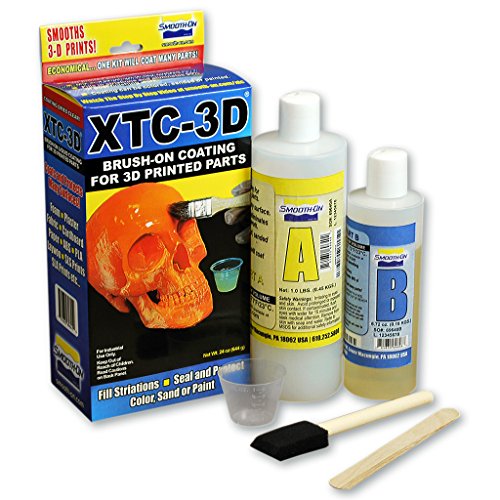
Overview: A high-performance brush-on coating designed to smooth, fill, and protect 3D-printed parts. It adheres to SLA, SLS, and various rigid media like PLA and ABS, providing a hard, impact-resistant shell after cure. The 2A:1B mix ratio, a working time of about 10 minutes, and a full cure in roughly 3.5 hours deliver a practical workflow for rapid prototyping and finished parts. The coating reaches about 80D Shore hardness, offering robust surface protection for functional or display pieces.
Usage considerations: Suitable for stacking or multiple coats to reduce layer lines on prints. It’s recommended for both hobbyist and professional environments seeking a clear, durable surface. Handling and ventilation should follow product guidelines, as with most epoxy-based coatings. This coating is noted for compatibility with a wide range of 3D printing media beyond standard resins, extending its versatility for mixed-material projects.
MAX CLR A/B Crystal Clear Epoxy Resin Coating
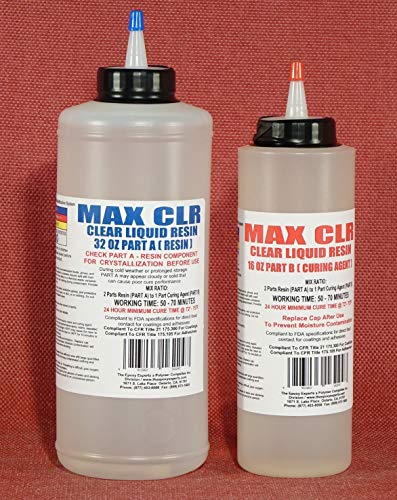
Overview: A crystal-clear epoxy resin system designed for coatings on 3D-printed PLA, PVC, and PET parts. The formulation is FDA compliant for brief direct food contact, delivering a high-gloss finish that hardens into a waterproof, durable layer after full cure. This product is well-suited for surfaces requiring a pristine, glassy look and excellent resistance to moisture and chemicals. The coating’s clarity helps preserve the underlying details and color of the print while offering protective benefits.
Usage considerations: Ideal for tabletop and bar-top projects or any print that benefits from a glossy, transparent coat. Full cure enhances water resistance and reduces micro-scratches on exposed surfaces. When applying, ensure proper ventilation and follow recommended mixing and curing times to achieve a durable finish without bubbles or clouding.
Smooth-On XTC-3D 20 Mold Making & SFX Coating

Overview: A companion product to the XTC-3D line, designed as a mold coating and finish for 3D printing applications requiring silicone rubber properties for mold making or special effects tasks. The 6.4 oz size makes it suitable for smaller production runs or detail-oriented finishing work on prints that will subsequently be cast or molded. It shares the same design intent of delivering a clear, durable layer that protects and smooths surfaces before molding processes.
Usage considerations: Useful for post-processing steps that transition from printed parts to molds or forms. Proper mixing, handling, and cure conditions are essential to avoid defects. This product is often integrated into workflows that combine 3D printing with silicone molding or resin casting for expanded production capabilities.
ANYCUBIC Upgraded Standard 3D Printer Resin

Overview: An upgraded standard resin formula for 3D printing, designed to improve printing success, adhesion, printing accuracy, hardness, toughness, and flow. The resin claims better stability with reduced shrinkage and higher molding accuracy, enabling prints with finer details and richer textures. It’s intended for use in LCD/DLP/SLA 3D printers, including higher-resolution machines, to achieve clean surface finishes and precise geometries.
Usage considerations: Shake well before use to ensure homogeneous color paste distribution. The resin’s balance between toughness and resilience supports functional parts, though users should follow safety guidelines for UV-curable materials and handle within proper ventilation and PPE requirements.
Rolio Pigments Resin Liquid Pigment
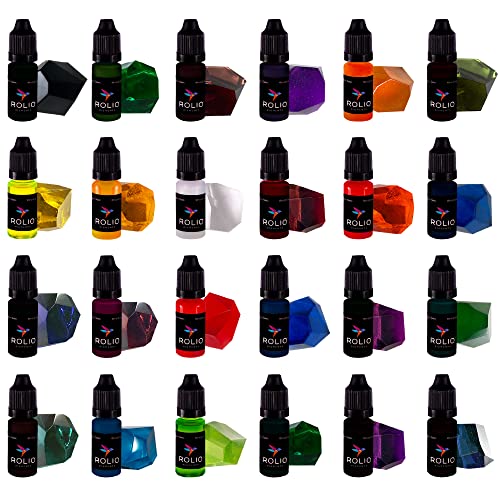
Overview: A set of vibrant liquid pigments designed for epoxy resin, UV resin, 3D printing, and various art and craft applications. The pigments are packaged in leak-proof squeeze bottles for easy color control and opacity adjustments. They are described as odorless and non-irritating, providing a safe option for adding color to resin projects and prints that use epoxy or resin coatings.
Usage considerations: The pigments enable customization of resin finishes, allowing designers to create clear, tinted, or opaque results. They are compatible with epoxy coatings, resin casts, and other liquid resin workflows, making them a versatile addition to finishing and prototyping systems.
Buying Guide: Key Purchase Considerations for Epoxy Resin and Coatings in 3D Printing
Essential factors to evaluate when selecting an epoxy resin, coating, or pigment for 3D-printed parts:
- Material compatibility: Ensure the coating or resin adheres well to your printer’s tooling and print media (PLA, ABS, PETG, resin prints, etc.).
- Finish quality: Consider gloss level, clarity, and surface smoothing capabilities. High-gloss or crystal-clear finishes benefit display pieces and protective coatings.
- Hardness and durability: Check the Shore hardness rating and cure time to balance impact resistance with ease of handling after finishing.
- Safety and compliance: FDA status, low toxicity, and ventilation requirements can influence suitability for hobbyist vs. professional environments.
- Application method: Brush-on, pour, or mold-coated options affect your workflow. Work time and curing duration shape production speed.
- Shelf life and storage: Some epoxies require specific temperature ranges and mixing ratios; ensure you have a proper workspace setup.
- Color and pigment options: Pigments and colorants expand design possibilities, but ensure compatibility with your base resin or coating to avoid defects.
- Cost and yield: Compare price per ounce and coverage to determine long-term value in your typical project sizes.
- Safety equipment: Gloves, respirators, and eye protection are recommended when handling uncured resins or solvents.
Depth of options: For smooth, protective finishes on 3D-printed parts, brush-on epoxy coatings like XTC-3D 20 provide a reliable path to smooth surfaces and sturdy coatings. For transparent, high-gloss protection, crystal-clear epoxies such as MAX CLR offer a strong waterproof layer with clarity. Mold-friendly coatings from Smooth-On complement finishing workflows that involve molds or silicone casting. Resin users can select upgraded resins for higher detail and durability, while pigments like Rolio enable vibrant, customized finishes. Each option serves a distinct stage of the 3D printing and post-processing pipeline, from initial coating to final aesthetic adjustments.