Choosing the right fabric for acoustic panels is essential for effective sound absorption and a clean room look. This guide compares top fabric options and complete panel sets that are easy to install for home studios, offices, and theaters. Learn about acoustical transparency, panel depth, and installation practicality to pick the best fabric for your space.
| Product | Brand | Type | Key Benefit |
|---|---|---|---|
| SoundAssured Acoustical Fabric (Black) | SoundAssured | Acoustically transparent fabric | Professional-looking, easy DIY panel building |
| AcouZen DIY Acoustic Fabric (Black) | AcouZen | Acoustically transparent fabric | Optimized for sound absorption across frequencies |
| Amantech 4 Pack 2″ Core Panels (Cocoa Beige) | Amantech | High-density fiberglass core with fabric cover | High absorption with easy peel-and-stick install |
| Art3dwallpanels 4 PCS (Black) | Art3dwallpanels | Fabric-wrapped panels | Firm mounting and aesthetic appeal |
| Olanglab 4 Pack Fiberglass Panels (Light Gray) | Olanglab | Fiberglass core with fabric cover | Enhanced absorption with thicker profile |
SoundAssured Acoustical Fabric — Black

SoundAssured’s acoustically transparent fabric is designed for DIY panels, bass traps, and acoustic walls in homes, studios, and theaters. The 100% polyester material ensures a clean look while allowing sound waves to pass through so the insulation inside can absorb echo and reverb. This fabric is durable and resists fraying, offering a polished finish that blends with room decor. It is sold by the yard, allowing flexible panel sizing for custom installations. Ideal for users seeking a professional-grade, visually clean option that supports effective acoustic treatment.
AcouZen DIY Acoustic Fabric — Black

AcouZen’s fabric emphasizes acoustical transparency to enhance absorption across a broad frequency range. Its design allows sound to pass through so wall panels absorb more effectively, reducing reverberation and improving clarity in studios and home spaces. The fabric is sized for DIY panel projects and includes guidance for cutting and panel construction. While packaging may include wrinkles due to compression, ironing and proper tensioning restore a smooth, professional finish. It supports versatile panel sizes for flexible room mapping.
Amantech 4 Pack Fabric Core Panels — Cocoa Beige
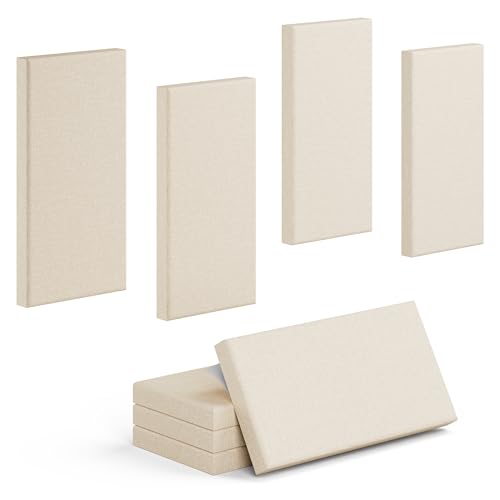
Amantech provides a 2″ thick fiberglass core with a high-density fabric cover for robust sound control. The peel-and-stick backing supports quick installation, with options to add tape or adhesive for extra stability. The fabric-wrapped core offers clean aesthetics without odor, making these panels suitable for regular indoor use. The thicker profile contributes to stronger absorption of echoes and ambient noise, delivering a quieter environment in studios, theaters, and rehearsal spaces.
Art3dwallpanels — Fabric Wall Panels, 4 PCS

Art3dwallpanels combines a natural canvas-like finish with a high-density polyester core. These panels are designed to mount securely using hooks or screws, offering precise alignment and firm support on textured walls. The dense core contributes to noticeable sound absorption, reducing echoes and noise. Their neutral, fabric-wrapped appearance helps them blend into various decors while delivering effective acoustic performance across spaces like studios and home theaters.
AcouZen DIY Acoustic Fabric — Khaki

This AcouZen fabric in khaki offers the same acoustical transparency as the black variant, making it suitable for different design choices while maintaining strong sound absorption. It is ideal for DIY projects that aim to balance a practical aesthetic with performance, especially in studios or home setups where visibility of panels matters. The included guidance covers size options and the importance of fabric management during installation to ensure consistent results.
Olanglab Fiberglass Panels — Light Gray

Olanglab’s four-panel pack features a thick 1.6″ fiberglass core with fabric wrapping. The high-density core supports effective absorption and an NRC around 0.9, indicating strong echo reduction and improved speech intelligibility. The light gray fabric provides a neutral appearance that can blend into many spaces, while the panels’ size (11.8″ x 23.6″ each) makes them suitable for perimeter and corner treatments in larger rooms or small studios alike.
Olanglab Black Fiberglass Panels

These panels mirror the white version with a dark aesthetic in a 4-pack. They maintain the same thick fiberglass core and fabric wrap designed to optimize sound absorption while providing a versatile look for studios, rehearsal spaces, or home theaters. As with other fiberglass-based panels, these deliver reliable performance for echo reduction and enhanced speech clarity across a range of room dimensions.
Buying Guide: Key Purchase Considerations
- Acoustical transparency: Fabrics labeled acoustically transparent allow sound to pass into the panel so the core can absorb effectively. This is essential for achieving true panel performance.
- Panel core and thickness: A thicker fiberglass core generally yields higher absorption (NRC). Consider 1.6″ or thicker cores for larger rooms or spaces with strong reflections.
- Fabric durability and finish: Look for fabrics that resist fraying and are easy to clean, especially in high-traffic areas or rehearsal spaces where wear is common.
- Installation method: Peel-and-stick backs, hooks, and screws provide different levels of permanence and ease. Choose according to wall type and whether you expect to reposition panels.
- Panel size and coverage: Plan panel dimensions to match your room’s dimensions and the coverage area needed to reduce echoes. Larger DIY panels can cover more surface area per piece.
- Aesthetics: Fabric color and texture influence room design. Neutral tones tend to blend well with most decors and can be easier to integrate into living spaces.
- Maintenance: Some fabrics may require ironing after packaging or periodic reseating to maintain a tight, wrinkle-free appearance on the wall.
- Cost and sourcing: Consider whether you prefer buying fabric by the yard or purchasing ready-made panels. Factor in shipping impact on large fabric pieces.
- Acoustic goals: If the goal is a balanced, natural sound, prioritize fabrics and cores that optimize absorption across a broad frequency range, including mid and high frequencies.
In summary, the best fabric choice for acoustic panels depends on a balance of acoustical performance, installation convenience, and room aesthetics. The options above provide varied approaches—from acoustically transparent fabrics ideal for DIY panels to ready-made panels with robust cores—so you can design an effective and visually cohesive treatment for your space.