When a sole begins to peel, wear, or lose traction, a reliable glue-on solution can extend the life of your footwear. This guide covers five robust options for repairing rubber soles, from glue-based repairs to full sole replacements. Each product is evaluated for durability, flexibility, and ease of use across common shoe styles—from sneakers to boots and work shoes. Read on to compare materials, thicknesses, and application approaches to find the best match for your needs.
Chosen products overview:
| Product | Brand | Key Benefit | Estimated Application |
|---|---|---|---|
| EACOZY Shoe Rubber Sole Sheet | EACOZY | 1.2mm thick, flexible, anti-slip | Sole patch and repair |
| MIIDII Shoe Sole Repair Rubber | MIIDII | 4mm thick, durable, cut-to-size | Boots, work shoes, casual footwear |
| Eagle Shoe Cement | Eagle | Heavy duty, waterproof | Bonding leather, rubber, vinyl |
| GULELAYAR Full Soles Rubber Sheet | GULELAYAR | Anti-slip, easily cut, 0.15 inch thick | Full sole replacements |
| KANEIJI Full Out Sole | KANEIJI | 4mm thickness, pair | Work and safety shoes |
EACOZY 1.2mm Rubber Sole Sheet

The EACOZY 1.2mm rubber sole sheet offers a low-profile patch option for quick repairs. At 1.2mm thick, the sheet is flexible enough to contour to curved soles while providing a solid surface for non-slip performance. Its diamond-pattern texture enhances traction on slick surfaces, a practical feature for indoor and outdoor wear. The sheet measures 15 by 11 inches, making it suitable for multiple repairs or larger patches on boots and sneakers. This option is ideal when you need a discreet, durable patch that preserves the look of the original sole.
Features in focus: 1.2mm thickness delivers a balance between flexibility and strength. The diamond pattern contributes to anti-slip performance, which can help with wet or oily surfaces. The material’s flexibility means it can bend to match contoured outsoles without cracking, extending the life of repaired footwear.
MIIDII 4mm Thick Sole Repair Rubber

MIIDII’s 4mm thick sole repair rubber is designed for heavy-duty use. The thicker profile offers enhanced durability and longer wear life, particularly in work or outdoor footwear that endures abrasive surfaces. The product is described as durable and wear-resistant, with a textured surface that improves grip on various terrains. It’s suitable for repairing boots, work shoes, dress shoes, sneakers, and sandals, making it a versatile option for a homeowner’s repair kit or professional shoe shop. Cut-to-size flexibility enables precise patching to match irregular sole shapes.
Key considerations: thickness impacts comfort and flexibility—4mm provides robust protection but may alter the shoe’s overall feel. The textured anti-slip surface on repairs contributes to safety, especially on wet floors or oily surfaces. Applicability spans many footwear types, which makes it a practical, multi-use option for households with varied footwear.
Eagle Shoe Cement – Heavy Duty Glue
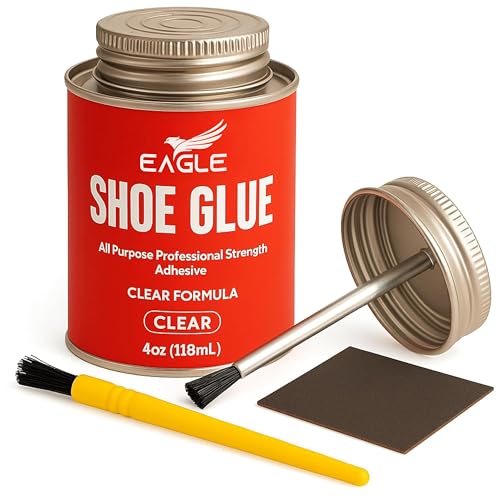
Eagle’s heavy-duty shoe cement is a strong, flexible adhesive designed for reattaching detached soles, repairing midsoles, and mending torn uppers across sneakers, boots, and leather footwear. The formula is waterproof, enabling durable repairs that withstand exposure to rain, puddles, and washing. It works on leather, rubber, vinyl, and many common shoe materials, offering a versatile repair solution for multiple footwear types. This adhesive is well-suited for users seeking a long-lasting bond that remains flexible with movement.
Practical notes: flexibility is crucial for outsoles that flex with each step. Waterproof bonding extends the life of repaired shoes in wet conditions. A wide material compatibility means fewer specialty products are needed for mixed-material footwear, simplifying maintenance for households with diverse shoe inventories.
GULELAYAR Full Soles Rubber Sheet
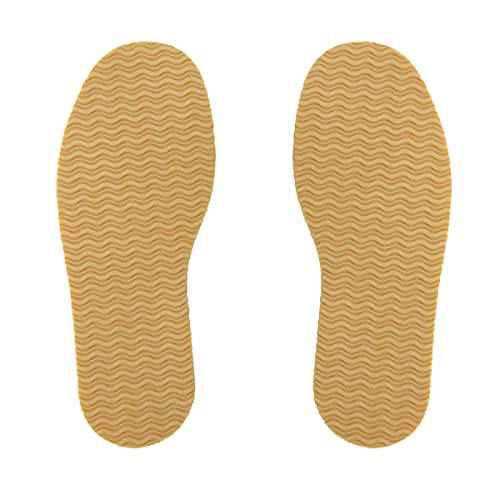
GULELAYAR’s full-sol footprint provides a complete replacement option. The sheet is described as durable and comfortable, with a thickness of 0.15 inches (approximately 3.8mm). It includes color options like white, black, and yellow, allowing you to match or accent the original sole. The material is easily cut to fit, making it practical for custom sizing and precise fit on various shoe styles. The anti-slip property supports safer walking, especially on slick surfaces, while wear resistance helps extend the lifespan of repaired footwear.
Considerations: full sole replacements require careful measurement and careful cutting to align with the shoe’s shape. Color choice can influence aesthetics, particularly for older or unused shoes where appearance matters. The combination of wear resistance and easy customization makes this option suitable for DIY enthusiasts and cobblers alike.
KANEIJI Full Out Sole, 4mm

KANEIJI’s 4mm full out sole offers a robust replacement option for work shoes, safety shoes, and certain flat shoes. Sold as a pair, this thicker sole provides substantial protection and support, especially where the original sole has fully deteriorated. The product note suggests it is intended for work environments, with compatibility caveats for shoes featuring complex heel or partial sole configurations. This option is well-suited for users needing a strong, protective outsole replacement rather than a patch repair.
Application tips: ensure precise measurement and cutting to preserve fit, arch support, and foot comfort. Thick outsoles can alter the shoe’s grip and flex; plan accordingly for walking patterns and intended use. Suitable for repairing or upgrading footwear that experiences rigorous wear in professional settings.
Buying Guide: Key Purchase Considerations And Comparisons
When selecting a glue-on rubber sole solution, consider thickness, flexibility, and compatibility with your shoe type. Thicker soles provide durability but may affect weight and comfort. Flexible patches or sheets are ideal for curved or irregular soles, while full-sole sheets deliver a complete replacement when wear is extensive.
Adhesive compatibility matters: some products are dedicated glue for bonding rubber-to-rubber, leather-to-rubber, or multi-material joints. Waterproof properties help in wet conditions and during cleaning, while a strong set time affects convenience. If you repair frequently, a combination approach—patch repair with a heavy-duty adhesive for edges and a new rubber sheet for the center—can provide a durable solution.
Traction and wear resistance are essential for safety. Diamond-textured or patterned surfaces on rubber repairs enhance grip on slick floors, reducing slip risk. For users requiring quick fixes, patch materials with fast bonding and quick curing can minimize downtime. For long-term wear, thicker outsoles or full sole replacements may be more cost-effective than frequent patches.
Installation considerations include cutting accuracy, surface preparation, and curing time. Clean and dry surfaces before applying glue or patches. Some products require clamping or weighting during curing to ensure a tight bond. If you’re unsure about compatibility with leather, vinyl, or canvas, choose products explicitly listed as multi-material or compatible with a broad range of shoe components.
In sum, choose based on wear level, shoe type, and your comfort with DIY repair. Patch sheets work well for minor damage on sneakers and casual shoes, while full sole replacements are more appropriate for heavily worn boots or safety footwear. A waterproof, flexible adhesive combined with a high-quality rubber sheet can offer a balanced, durable repair strategy for most common footwear needs.