Fly tying hinges on reliable hackle feathers that deliver the right lift, shape, and durability. This guide highlights five top options that cater to both beginners and seasoned tiers. Each selection emphasizes quality, versatility, and suitability for trout and saltwater patterns. Whether you’re building classic Woolly Buggers, streamers, or dry flies, these hackles and related tying materials help you craft consistent, compelling patterns. Read on to compare materials, understand their best uses, and find the right kit for your approach to fly fishing.
| Product | Brand | Key Features |
|---|---|---|
| Premium Fly Tying Materials Kit – Comprehensive Variety Pack | Muskoka Lifestyle Products | UV Dyed Marabou, Peacock Feathers, Golden Rooster Tippet, Bulk Dubbing |
| Tigofly 30 Pcs Natural White Black Barred Grizzly Rooster Hackles | Tigofly | 5-6 inch hackles, natural white, 30 pieces |
| Creative Angler Saddle Hackle for Fly Tying (White) | Creative Angler | 4-6 inch saddle feathers, versatile and durable |
| Creative Angler Saddle Hackle for Fly Tying (Chartreuse) | Creative Angler | Bright chartreuse saddle hackle, versatile for dries and streamers |
| Creative Angler Saddle Hackle for Fly Tying (Badger) | Creative Angler | Natural rooster saddle hackle, multi-color options |
Premium Fly Tying Materials Kit

The Premium Fly Tying Materials Kit offers a comprehensive assortment designed for a wide range of patterns. It includes UV-dyed marabou, peacock feathers, golden rooster tippet, and synthetic dubbing, supporting both trout-focused patterns and more vibrant, exploratory designs. The kit’s mix of traditional hackles with hard-to-find feathers enables anglers to craft lifelike bodies and wings. Its bulk materials are suitable for ongoing tying sessions, making it a solid option for both beginners building foundational skills and experts expanding their material library.
Tigofly Rooster Hackles (Natural White/Black Barred)
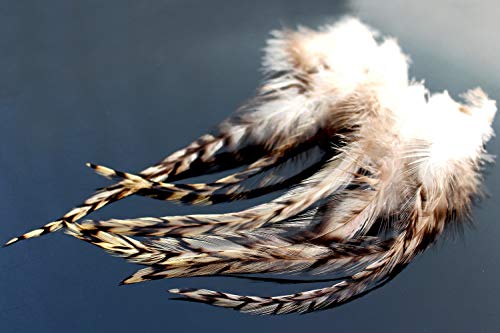
These natural white rooster hackles with a black barred pattern provide excellent Palmering and fly-wing applications. Each feather measures roughly 5-6 inches, offering consistent size and color for a range of patterns, from streamers to nymphs. The 30-count package ensures a steady supply for prolific tiers. Their natural hue helps create subtle, realistic bodies, while the feather integrity supports durable wraps during tying and fishing alike.
Creative Angler Saddle Hackle (White)
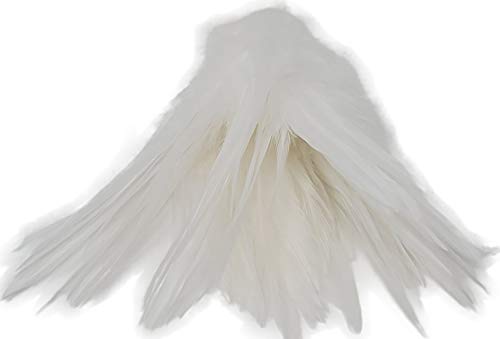
The white saddle hackle from Creative Angler is ideal for a wide range of fly patterns, including streamer wings and palmer hackles on Woolly Buggers. These 4-6 inch feathers provide versatility for dry, wet, and saltwater flies. The pack emphasizes natural rooster feathers with a bulk color assortment that helps anglers achieve varied, lifelike appearances while maintaining ease of use—particularly useful for beginners and intermediate tiers building a staple hackle collection.
Creative Angler Saddle Hackle (Chartreuse)
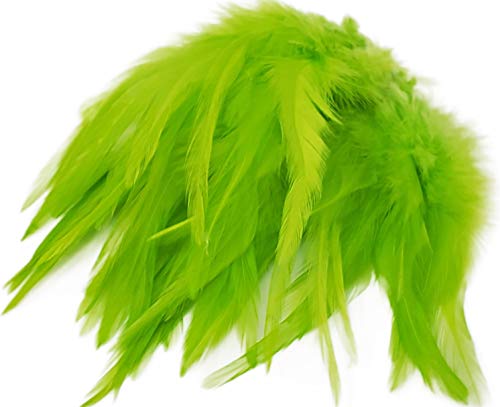
The chartreuse saddle hackle from Creative Angler adds a bold accent to flies requiring high visibility. This versatile feather supports winging on streamers and palmering on wooly buggers, while also being suitable for dry outfits where a pop of color benefits strike triggers. Like the white variant, it uses natural rooster feathers and is offered in a size range conducive to a broad set of patterns, making it a reliable choice for anglers seeking color variety without sacrificing performance.
Creative Angler Saddle Hackle (Badger)

The badger saddle hackle by Creative Angler offers a natural rooster-feather option with a multi-color feel suitable for a range of fly patterns. It supports both dry and wet applications and excels when used as streamer wings or Palmer hackle on Woolly Buggers. This versatility makes it a favorite for tiers who prefer a traditional look with dependable feather structure, enabling consistent wraps and durable finishes in the field.
Buying Guide
When selecting hackles for fly tying, consider feather type, size, color versatility, and pattern compatibility. Hackle quality affects wrap durability, casting behavior, and the overall realism of your flies. For beginners, a mixed kit with multiple colors and sizes simplifies learning and enables quick pattern experimentation. For advanced tiers, focus on specific feather types (rooster, saddle, capes) that align with your go-to patterns and target species.
- Feather type and size: Saddle hackles and rooster hackles provide different Palmering capabilities. Choose sizes that fit your typical fly patterns (5-6 inch is common for many streamers and nymphs).
- Color range: A mix of natural and bright colors helps in constructing both traditional and pattern-specific flies. Chartreuse and white variations add high-visibility options for certain waters and conditions.
- Material quality: Look for feathers with strong barbs and clean quills to ensure durability during securing and wrapping. UV-dyed materials can add unique, vibrant touches but should not compromise feather integrity.
- Pattern compatibility: Ensure the selected hackles support your intended patterns, whether you’re building dries, wets, streamers, or nymphs. Some kits emphasize versatility, others focus on traditional palettes.
- Cost per piece and supply: Bulk packs reduce the need for frequent restocks. Consider your tying volume and store items that frequently get used up first.
In practice, combining a premium materials kit with a few targeted hackles (like white, chartreuse, and natural barred rooster) offers a balanced approach. Tiers can benefit from both diverse, ready-to-use patterns and the ability to tailor wings and tails for specific bodies and water conditions. Material selection should be guided by your regional fishing environment, preferred species, and the kinds of flies you tie most often.