Choosing the right heat resistant foam board can improve safety and performance in wood stoves, fireplaces, kilns, grills, and high-heat craft projects. The products below combine ceramic fiber boards, foam core insulation with reflective faces, and standard foam boards designed to tolerate elevated temperatures. This guide highlights five strong options with different thicknesses, densities, and features to help you compare durability, fire resistance, and insulating value for high-heat applications.
| Product | Why It Stands Out | Key Features |
|---|---|---|
| BXI Ceramic Fiber Thermal Insulation Board 12″ x 8″ x 0.4″ | High temperature tolerance, rigid inorganic board | Fire Resistant Class A1, up to 2732°F, 0.12 m²K/W |
| BXI Ceramic Fiber Thermal Insulation Board 12″ x 8″ x 0.8″ | Thicker option for extra protection | Same high temp rating, 0.24 m²K/W |
| Sasylvia Ceramic Fiber Insulation Board 12″ x 8″ x 0.4″ | Versatile, lightweight ceramic fiber board | Fireproof, easy to cut, suitable for stoves and kilns |
| Mat Board Center Acid-Free Foam Boards 11″ x 14″ x 1/8″ | Standard foam board with acid-free properties | Best for display and craft; widely available |
| Reflective Foil Insulation Roll 40″ x 80″ (Aluminum Foil Face) | Foam core with reflective barrier for heat control | Double-sided foil, heat reflection, easy to cut |
Note: The table is for quick reference. Each product page provides detailed specs, installation notes, and safety guidelines.
BXI Ceramic Fiber Board 0.4 Inches Thick
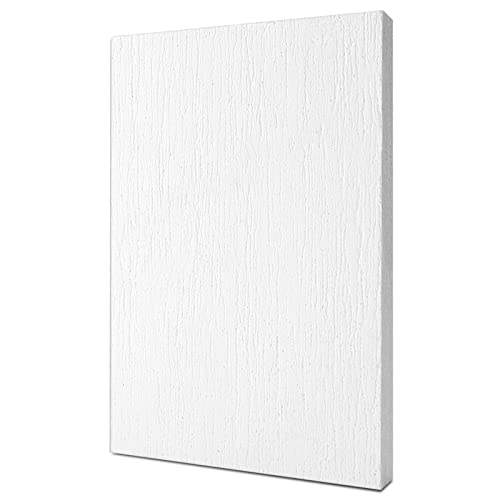
Product type: inorganic ceramic fiber board designed for high-temperature insulation. Size is 12″ x 8″ x 0.4″ with a weight around 0.68 pounds. The board features high density at 600 kg/m3 and uses aluminosilicate materials. Fire resistance is Class A1, with a long-term service temperature near 2552°F (1400°C) and a maximum use temperature of 2732°F (1500°C). Thermal conductivity is 0.082 W/(m·K) and R-value around 0.12 m²K/W. Compared with organic ceramic fiber boards, this inorganic option offers improved rigidity, strength, and durability with less smoke or odor when heated.
BXI Ceramic Fiber Board 0.8 Inches Thick

Product type: inorganic ceramic fiber board, larger thickness for enhanced insulation. Dimensions are 12″ x 8″ x 0.8″ with weight around 1.38 pounds. High-density material (600 kg/m3) and aluminosilicate composition. Fire resistance Class A1, long-term service about 2552°F, and maximum use 2732°F. Thermal conductivity remains 0.082 W/(m·K), with an R-value of about 0.24 m²K/W. Built to deliver stronger structural integrity and reduced smoke compared to some organic boards.
Sasylvia Ceramic Fiber Insulation Board 0.4 Inch

Package includes two boards, each roughly 12″ x 8″ x 0.4″. The boards are ceramic fiber-based, offering lightweight heat insulation and fire resistance suitable for wood stoves, fireplaces, pizza ovens, kilns, and other high-temperature tools. They are easy to cut to fit custom shapes with common tools like knives or hacksaws. The material is designed to minimize heat transfer while providing reliable fire protection in everyday projects and appliances.
MOTUKA Reflective Foil Insulation Roll

Product features a 40″ x 80″ roll with a 3 mm closed-cell polyethylene foam core and a pure aluminum foil exterior. The foil acts as a radiant barrier and helps reduce heat transfer, with easy installation and cutting using standard tools. The product is non-toxic, non-carcinogenic, and fiber-free, designed to lower energy usage by reflecting radiant heat, while also offering some sound-dampening benefits when used in walls, ceilings, or ducts. It provides a versatile, lightweight option for improving thermal performance in high-heat settings.
Mat Board Center Foam Boards 11×14

Pack of 10 acid-free white foam boards sized 11″ x 14″ with 1/8″ thickness. These boards are ideal for displays, mounting, school projects, and crafts where archival quality is important. While not specifically rated for extreme heat, they provide reliable rigidity and a stable surface for indoor applications where heat exposure is limited and controlled. The acid-free composition helps prevent yellowing over time, ensuring long-lasting presentation materials.
Buying Guide
Material Type
Consider whether you need ceramic fiber boards (high-temperature inorganic insulation) or foam core boards with a reflective foil surface. Ceramic fiber options excel in direct, sustained heat and fire resistance, while reflective foil cores excel at reducing radiant heat transfer in spaces and walls.
Thickness and Density
Thicker boards like 0.8″ provide greater insulation and protection but add weight and bulk. For high-heat surfaces, a denser, more rigid board offers better structural integrity and longer service life under thermal cycling.
Temperature Range
Check the maximum use temperature and long-term service temperature. Boards rated to 2732°F (1500°C) are suitable for extreme environments, while lower ratings may suffice for less intense applications. Always follow manufacturer guidelines for safe use.
Ease of Cutting and Installation
Manufacturers often note how easily the boards can be trimmed to fit shapes and gaps. For DIY projects, boards that cut cleanly with standard tools reduce risk of chipping and uneven edges, improving seal and performance.
Safety and Emissions
Inorganic ceramic boards generally produce less smoke and odor when heated, compared with some organic insulations. Ensure that the chosen product aligns with local safety standards and installation practices.
Application Versatility
Reflective foil cores provide radiant heat management for walls, attics, and ducts, while ceramic fiber boards serve as direct insulation for stoves, kilns, and high-temperature surfaces. Evaluate whether you need a barrier, a shield, or a primary insulator.
Durability and Longevity
Inorganic boards tend to offer superior rigidity and longer-term stability under heat, but consider susceptibility to mechanical damage during cutting, handling, and installation. Proper mounting and support can extend service life.
Availability and Cost
Standard foam boards (like Mat Board Center) are widely available, typically at lower cost, while high-temperature ceramic boards may be specialty items with limited distribution. Weigh total costs against performance needs and expected heat exposure.