Discover top long-arm sewing machines designed for quilting, upholstery, and heavy fabrics. This guide highlights five standout models, comparing build quality, threading ease, throat space, and user-friendly controls to help you pick the right machine for large-scale projects.
| Product | Brand | Key Strength |
|---|---|---|
| Q’nique 16X Elite Longarm Quilting Machine | The Grace Company | Ergonomic design, large throat space, simple controls |
| Q’nique 16X Elite Longarm Quilting Machine with Cutie Tabletop Frame | The Grace Company | Integrated frame, powerful stitching, clear lighting |
| CONSEW 206RBL-25 Long Arm Walking Foot Industrial Machine | CONSEW | Long arm, robust walking foot, servo motor option |
| SHATUOA 550W Long Arm Industrial Set | SHATUOA | Low vibration electric motor, automatic threading |
| JANOME MC6650 Sewing And Quilting Machine | Janome | Built for precision, beginner-friendly yet pro-ready |
Q’nique 16X Elite Longarm Quilting Machine
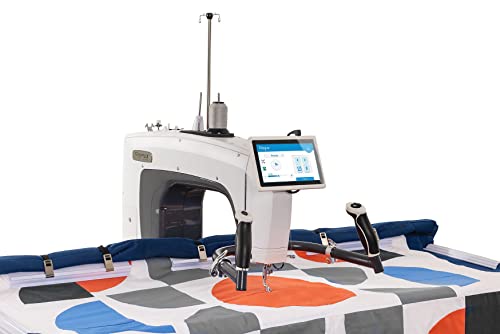
The Q’nique 16X Elite Longarm Quilting Machine from The Grace Company emphasizes comfort and control during long sessions. It features ergonomic handles, a 16-inch throat space for large patterns, and a bright throat light with a bobbin estimator. Speeds reach up to 2100 stitches per minute, enabling efficient quilting with precision. The operating interface is designed for straightforward navigation, with two-button controls on the handles and a 7-inch touch screen to adjust settings. This model is well-suited for quilters who value ease of use without sacrificing stitch quality on large quilts. Consider the Elite for its balance of performance and user comfort on extended projects.
Q’nique 16X Elite Longarm Quilting Machine With Cutie Tabletop Frame
This configuration pairs the 16X Elite with the Cutie Tabletop Quilting Frame, delivering an all-in-one setup for home studios. The combination provides a generous 16-inch throat space and ergonomic handling to minimize fatigue. A bright throat light and efficient bobbin management contribute to smoother workflow, particularly for large quilts or intricate motifs. The integrated frame helps stabilize material during high-speed quilting, reducing drift and enhancing stitch consistency across expansive designs. This option suits serious hobbyists and small studios looking for a turnkey long-arm solution.
CONSEW 206RBL-25 Long Arm Walking Foot Industrial Machine

The CONSEW 206RBL-25 delivers a robust 25-inch long-arm capability with a walking foot mechanism, perfect for denim, canvas, and thick layers. It includes a table and servo motor option, offering steady power and smooth stitching for large-scale upholstery and quilting projects. The machine’s long arm and compound feed system help maintain fabric alignment when quilting intricate patterns or handling bulky textiles. This model suits users who require durable industrial performance with reliable stitch consistency on heavy fabrics.
SHATUOA 550W Long Arm Industrial Set

The SHATUOA long-arm set features a high-powered 550W motor designed for low vibration and quiet operation. It emphasizes automatic threading and a maximum speed of 3500 stitches per minute, enhancing throughput for upholstery, drapery, and quilting tasks. An adjustable stitch distance up to 5 mm adds versatility for different fabric finishes. The combination of low noise operation and strong piercing power makes this option appealing for busy workspaces needing efficient, consistent results on large or thick materials.
JANOME MC6650 Sewing And Quilting Machine

The Janome MC6650 is built for precision and speed with a robust all-metal frame and a 10-inch flatbed. It reaches up to 1000 stitches per minute and combines semi-industrial durability with modern features. The machine is beginner-friendly with a built-in needle threader, independent bobbin winder, one-push needle plate conversion, and a top-loading rotary hook bobbin system. It offers versatility across fabrics thanks to adjustable presser foot pressure, 7-piece feed dogs, and extra-high presser foot lift, making it suitable for quilting cottons, denim, and light upholstery with the right add-ons. This model balances accessibility with performance for quilters expanding beyond basic projects.
Buying Guide: Long-Arm Purchase Considerations
- Throat space and table setup: A larger throat space (16 inches or more) helps with big quilts and complex motifs. Consider whether you want an attached table or a freestanding frame system for stability and fabric control.
- Motor power and speed: Industrial-grade motors (550W and above) support thick fabrics and heavy upholstery. Assess whether you need high-speed capabilities for faster throughput or more precise, slower stitching for delicate layers.
- Frame and mobility: Long-arm machines often integrate with dedicated frames or tables. Decide between a standalone machine, a tabletop setup, or a full frame to optimize fabric maneuvering and alignment.
- Controls and usability: Look for ergonomic handles, intuitive touch screens, built-in threaders, automatic needle positioning, and start/stop options to reduce fatigue during long sessions.
- Threading, bobbin system, and maintenance: Modern thread paths and transparent bobbin monitoring reduce downtime. Consider machines with easy threading and low maintenance requirements for frequent use.
- Material compatibility: Ensure the machine can handle quilting cottons, denims, leather, or thicker upholstery in your typical projects, and verify the maximum material thickness supported by the frame or arm.
- Noise and vibration: For studio environments or home setups, lower noise and vibration contribute to comfort and precision over long sessions.
- Budget and expansion: Balance initial cost with potential accessories (additional frames, extension tables, extra feet) to support future quilting or sewing projects.
- Support and parts availability: Choose brands with readily available parts and service networks to minimize downtime.