Oil paint gel mediums extend and modify working properties, helping artists achieve glazing, impasto, and smooth textures while controlling drying time and gloss. The following handpicked products are popular solvent-free and traditional gel mediums designed to pair with oil colors, offering different finishes from matte to high gloss and varying thickeness. This guide highlights uses, film thickness, drying behavior, and how each option supports techniques such as glazing, impasto, and color luminosity.
| Product | Brand | Type | Key Benefit |
|---|---|---|---|
| Gamblin Solvent Free Gel Medium Oil | Gamblin | Solvent-free gel | Smooths color, reduces odors, stable film |
| Winsor & Newton Liquin Light Gel Medium | Winsor & Newton | Gel medium | Speeds drying, glaze-friendly, resists yellowing |
| SENNELIER Solvent-Free Gel Medium | SENNELIER | Gel medium | Non-toxic additives, bio solvent based |
| Schmaltz Impasto Gel Medium | Schmaltz | Impasto gel | Increases shine, quick drying, retains brush strokes |
| Gamblin Galkyd Lite Gel | Gamblin | Light gel | Lower viscosity, outdoors-friendly |
Gamblin Solvent Free Gel Medium Oil

Gamblin Solvent Free Gel Medium Oil is designed to extend oil colors without adding solvent odors. This gel works well for glazing and layering, providing a smooth, even film that reduces brush drag while maintaining the integrity of color luminosity. Artists note its compatibility with both traditional and modern oil colors, allowing longer working times when needed. The absence of solvent makes it a practical option for studios with respiratory-conscious workflows. Use in thin layers for glazing or thicker coats for impasto-like texture where a more controlled drying profile is desired.
Winsor & Newton Liquin Light Gel Medium
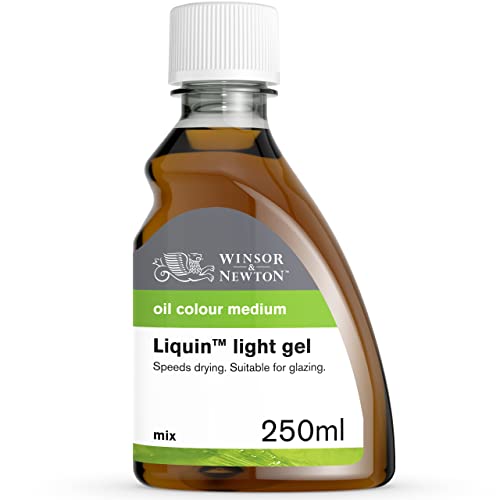
Liquin Light Gel is a fast-drying, high-gloss gel designed to speed painting and glaze applications. This medium offers a gentle gel that brushes out smoothly, producing a slight texture while remaining non-drip when mixed with color. It’s ideal for artists who want a luminous glaze with minimal brush marks, as it dries to a durable film without excessive yellowing. When glazing, expect a quicker turnover of layers; the gel’s light viscosity helps preserve delicate color shifts, so you can build depth without waiting long between applications.
Winsor & Newton Liquin Light Gel Medium, 75ml
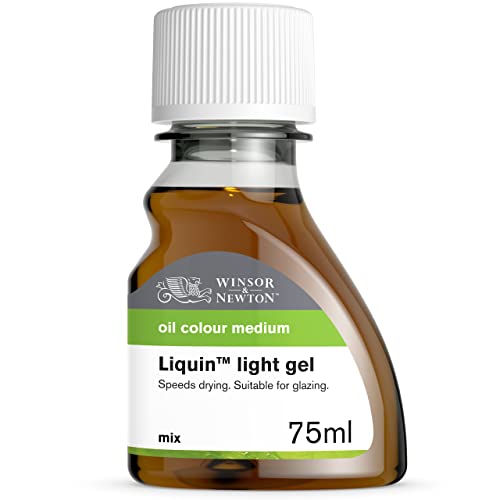
This variant provides the same quick-drying gel characteristics in a compact 75ml package, suitable for travel studios or on-site painting setups. It preserves the smooth gel behavior needed for glazing and non-drip color application, with drying times that can be tuned by color film thickness. The slightly gloss finish highlights color shifts and tonal variations in a glaze, making it a practical choice for artists who frequently switch between glazes and flat passages within a single composition.
Winsor & Newton Liquin Impasto Medium

Liquin Impasto Medium is a quick-drying, semi-gloss gel that thickens slowly to retain brush marks and crisp textures. It adds body to oil colors without heavy leveling, enabling expressive impasto and visible stroke work. This medium speeds drying and resists yellowing, which is beneficial for both traditional landscapes and contemporary still-life where texture and color vibrancy must be preserved across multiple sessions. It’s especially useful when mixing with thick pigments to create pronounced surface relief while maintaining a flexible film.
Schmaltz Artist Oil Impasto Gel Medium
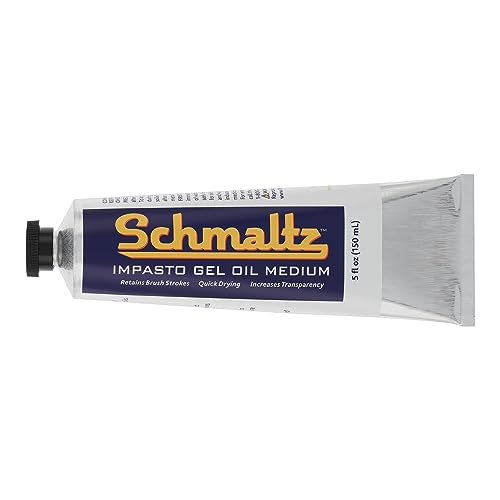
Schmaltz’s Oil Impasto Gel Medium is designed for speed and density, delivering quick-drying impasto with enhanced shine and volume. It supports strong brush work while speeding up overall drying time, and it’s formulated to improve transparency and gloss when layered with oil color. The gel contains a blend of linseed and safflower oils with clear alkyd resins, balancing body with openness to light transmission. It’s particularly popular for color mixing that yields luminous, glassy highlights in thick, textured passages.
Gamblin Galkyd Lite Gel

Galkyd Lite Gel is a lighter gel produced from alkyd resin with lower viscosity, offering a longer working time for paintings that require more manipulation. This makes it especially suitable for landscape painters and plein air artists who need a medium that maintains color integrity while reducing drying time compared to traditional oils. The result is a flexible film with good gloss and clarity, enabling smooth transitions in large-area color fields and more controlled brush marks in detailed sections.
SENNELIER Green for Oil Solvent-Free Gel Medium

SENNELIER Green for Oil Solvent-Free Gel Medium is designed for oil painters seeking a solvent-free option. Made with non-toxic additives and a bio solvent base, this gel emphasizes safety without compromising performance. It provides a stable gel structure that helps in glazing and layering while maintaining open time and color integrity. For artists prioritizing eco-conscious materials, this medium aligns with healthier studio practices and reduces exposure to traditional solvents.
The Crafter’s Workshop Matte Gel Medium for Acrylic Paint
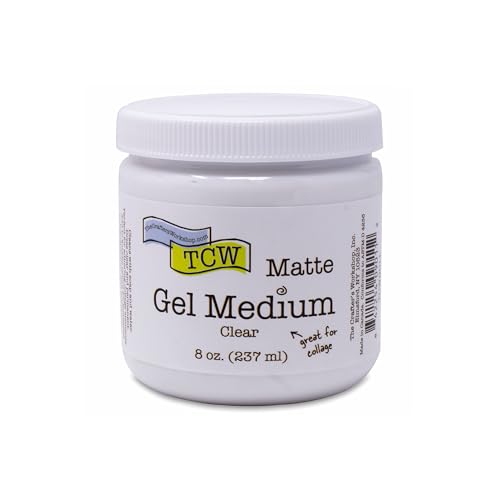
Even though marketed for acrylics, this matte gel is included for comparison of matte finishes and texture capabilities. It dries matte and clear, making it suitable for mixed-media applications where a non-shiny surface is desired. While primarily used with acrylics, its binding properties and texture-building capacity offer insights for artists who combine oil and acrylic media, particularly in collage or decoupage with oil color accents. It’s a reminder of how similar gel mediums can function across paints and applications, especially in layering and texture work.
Buying Guide
- Drying time and glaze behavior: Gel mediums vary from fast-drying to extended open time. For glazing, choose a medium that slows drying slightly to allow even application without film cracking.
- Finish and gloss level: High-gloss gels amplify color depth and luminosity; matte gels reduce reflections and emphasize texture. Consider mix ratios to achieve your desired finish.
- Viscosity and handling: Lighter gels flow smoothly for glazing; heavy impasto gels hold brush marks and create pronounced texture. Test small amounts to gauge brush drag and film thickness.
- Solvent-free options: These are preferable in indoor studios for reduced odors and safer working environments. Look for statements like “solvent-free” or “bio solvent based.”
- Compatibility with pigments: Some gels interact differently with drying oils and pigments. Glassy, transparent films may appear differently across color families; plan tests for your palette.
- Texture vs. transparency: Impasto gels preserve brush marks and plateaus in color, while clear gels emphasize glazing without altering color saturation.
- Storage and stability: Most gels store well in tubes or jars; protect from temperature fluctuations to avoid thickening or separation.
When selecting a gel medium for oil painting, consider your typical workflow: glazing for depth, impasto for surface texture, or a balance of both. Solvent-free options offer safer studio practices; however, some artists prefer solvent-based formulas for specific textures. The products above provide a spectrum of options—from fast-drying glazes to slow-setting impasto gels—allowing a tailored approach to oil painting techniques across classic and contemporary styles.