Perforated sheet metal combines decorative appeal with practical airflow, filtration, and strength. This guide highlights five top perforated sheet options for American DIYers and professionals, focusing on patterns, material quality, and versatile uses. Explore durable stainless steel and versatile aluminum sheets designed for indoor and outdoor projects, from decorative panels to functional enclosures.
| Product | Brand | Key Pattern/Size | Best For |
|---|---|---|---|
| M-D Building Products 57322 Perforated Metal Sheet | M-D Building Products | 1″ x 2″, Elliptical Pattern | Crafts, Imitation jewelry organizers |
| Perforated Stainless Steel Sheet (ABJHCAD) | ABJHCAD | 23.6″x11.8″, 0.0375″ thick, 0.06″ holes | Decorative panels, cabinet accents |
| Jucoan Perforated Sheet | Jucoan | 11.8″ x 11.8″, 0.12″ holes, 2 mm thick | Enclosures, screens, partitions |
| RZGZKLSH 304 Perforated Sheet | RZGZKLSH | 9.5″ x 39.3″, 0.12″ holes, 0.02″ thick | Ventilation, grills, decorative panels |
| 304 Stainless Steel Perforated Sheet (Lianart) | Lianart | 8″ x 16″, 0.2″ holes, 20GA | Decorative and functional applications |
Choosing the right perforated sheet depends on pattern, material, thickness, and intended use. The options below cover common patterns and strengths to fit a range of projects—from decorative wall panels to ventilation and filtration tasks.
M-D Building Products Perforated Sheet
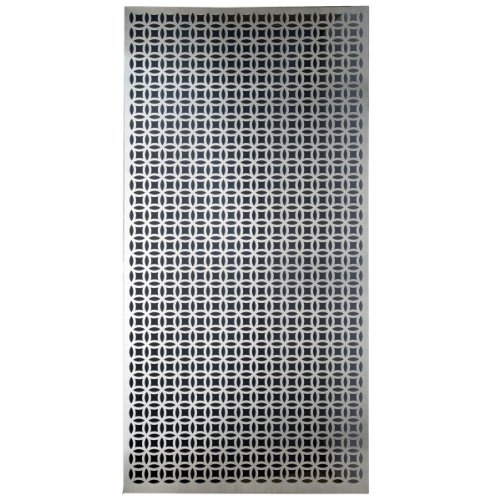
The M-D Building Products perforated sheet offers a compact 1″ x 2″ elliptical pattern suitable for compact decorative pieces or small organizational components. Material quality is suitable for light to moderate use in home crafts and decor projects. The sheet is described as a practical choice for crafting, both indoors and outdoors, with applications that include jewelry organizers and decorative accents. Its size is favorable for hobby projects that require a precise yet flexible perforated surface.
Perforated Stainless Steel Sheet (ABJHCAD)

This 23.6″ x 11.8″ stainless perforated plate is crafted from 304 stainless steel, offering corrosion resistance and durability for long-term use. The pattern and hole size—0.06 inches—provide strong airflow and visible texture, making it suitable for decorative panels, cabinet accents, and grill covers. The sheet’s broader dimensions support larger installations, while the rust-resistant surface helps maintain appearance in outdoor or high-humidity environments.
Jucoan Perforated Sheet

Jucoan’s 11.8″ square stainless steel perforated sheet features 3 mm diameter holes in a 2 mm thick plate. Constructed from 304 stainless steel, it emphasizes corrosion resistance and durability for both indoor and outdoor use. The sheet is suitable for a range of applications such as enclosures, partitions, sign panels, guards, and decorative panels. It is weldable or cut as needed, making it a flexible option for custom projects like screens or protective covers.
RZGZKLSH 304 Perforated Sheet

This 9.5″ x 39.3″ stainless sheet uses 0.12″ hole diameter with a 3 mm hole center spacing. The 304 stainless steel construction ensures rust resistance and a polished surface ideal for decorative panels, speaker grilles, cabinet designs, and grill guards. It is machine-cut for precision and provides uniform perforation across the sheet, which supports consistent airflow and a neat aesthetic in both commercial and residential settings.
Lianart 304 Perforated Sheet

The 20GA 0.2″ hole perforated sheet from Lianart provides a balance of strength and flexibility, suitable for both decorative and functional uses. Made from durable 304 stainless steel, it features a polished surface with a modern look and good corrosion resistance. The 8″ x 16″ dimensions and dislocated triangle pattern support airflow, drainage, and airflow-friendly design suitable for grills, vent covers, and decorative panels.
Buying Guide: Key Purchase Considerations
- Material and corrosion resistance: Stainless steel (304) offers durability and rust resistance for outdoor or humid environments; aluminum sheets are lighter and resist corrosion but may be less rigid.
- Pattern and hole size: Smaller holes boost filtration and decorative detail; larger holes improve airflow and visibility. Pattern uniformity affects aesthetics and uniform airflow.
- Sheet thickness and strength: Thicker sheets are sturdier and less prone to bending, but heavier and harder to cut. Choose thickness to match project requirements and tools available.
- Dimensions and cut suitability: Match sheet size to project dimensions; consider ability to cut, weld, or trim safely with standard tools.
- Applications: Decorative panels, cabinet accents, speaker grilles, enclosures, grills, vent covers, and barrier screens each benefit from different hole sizes and materials.
- Finish and maintenance: Polished or coated surfaces resist corrosion and remain visually appealing with minimal maintenance. Protective films may require removal after installation.
- Safety and handling: Perforated edges can be sharp; handle with gloves and use edge guards or proper trimming to ensure safe handling.
- Cost and availability: Availability varies by size and pattern; consider sourcing multiple sheets for larger projects and plan for waste from cutting and shaping.
- Compatibility with tools: Ensure your cutting, welding, or bending tools are suitable for the material and thickness to avoid injury or damage.
Perforated sheets offer a versatile solution across decorative and functional applications. When selecting a sheet, prioritize material compatibility with the intended environment, the desired balance between airflow and filtration, and the level of maintenance you’re prepared to manage over time.