Graph paper helps organize calculations, drawings, and notes with precise grids. This guide highlights five top graph paper products that fit common academic and drafting needs, from standard 4×4 quadrille to perforated, easy-tear pads. Each option offers clean lines, smooth paper, and reliable performance for school, engineering, and design work.
| Product | Brand | Size | Pages | Notes |
|---|---|---|---|---|
| Oxford Filler Paper | Oxford | 8.5 x 11 in | 400 sheets | 3-hole punched, loose-leaf |
| Zaviko Graph Paper Pad | Zaviko | 8.5 x 11 in | 30 sheets/pad, 2 pads | 4×4 grid, perforated |
| Aidunmis Graph Paper Pads | Aidunmis | 8.5 x 11 in | 30 sheets per pad, 3-pack | 4×4 quad ruled, perforated |
| Five Star Graph Ruled Paper | Five Star | 8.5 x 11 in | 80 sheets | Reinforced filler paper |
| Ctosree Graph Paper Pads | Ctosree | 8.5 x 11 in | 50 sheets/pad, 6-pack | 10×10 grid, quad ruled |
Oxford Filler Paper, 8-1/2″ x 11″, 400 Sheets
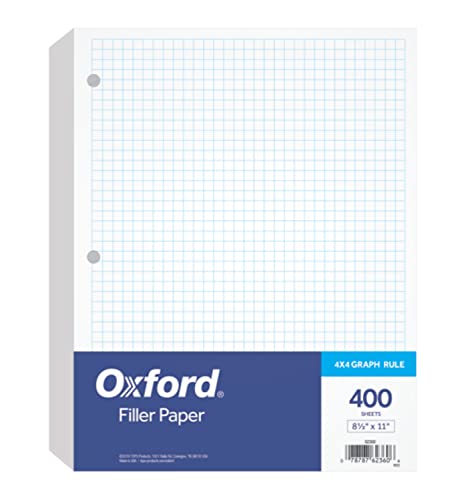
Oxford Filler Paper offers a bulk pack of 400 double-sided sheets with a 4×4 graph grid. The standard 8.5 x 11 size fits most three-ring binders and pockets. This option is ideal for elementary math, geometry, and physics problems that benefit from consistent graph lines and a sturdy, reusable binder setup.
Features include: 4×4 graph rule, loose-leaf format, and three-hole punched alignment for common B5/letter-size binders. The paper is designed for consistent writing on both sides, helping you organize calculations without bleed-through in typical school use.
Zaviko Graph Paper Pad 8.5 x 11, 30 Sheets

This Zaviko graph paper pad uses 4×4 grid lines on 8.5 x 11 sheets with a perforated top edge for easy removal. The 70 GSM white paper minimizes bleed-through and supports both sides of writing, making it suitable for note-taking, engineering calculations, and drawing. The perforated design helps keep sheets tidy in a notebook or binder.
The pad is light, portable, and designed for quick page removal without damaging the remaining sheets, which is helpful for organizing problem sets or sketches on the go.
Aidunmis Graph Paper Pads 8.5 x 11, 3-Pack

The Aidunmis three-pack provides 30 sheets per pad, 8.5 x 11, with 4×4 quad ruling. The paper is 70 GSM, double-sided, and perforated for neat tearing. A sturdy backer board adds rigidity, making it comfortable for on-the-go drafting, plotting, or note-taking in classrooms or studios.
Design features emphasize legibility of letters and diagrams while ensuring smooth writing with minimal ink bleed. This set suits students, designers, and engineers who need portable graphing surfaces.
Five Star Loose Leaf Paper + Study App

Five Star offers reinforced, graph-ruled filler paper with a focus on durability. At 8.5 x 11 inches, these sheets are designed to resist tearing and ink bleed, supporting long-term use in heavy note-taking or study sessions. The included study features and the sturdy construction aim to keep papers intact through daily writing and problem-solving tasks.
Ctosree 6 Pack Graph Paper Pads, 8.5 x 11

The Ctosree pack includes six pads, each with 50 sheets of 8.5 x 11 graph paper and 10×10 grid (4×4 squares per inch). The quad-ruled pattern supports engineering sketches, mathematical plotting, and technical drawings. Perforated top edges provide clean removal without damaging the binding, and the paper is designed to resist bleed for clear, legible notes.
Buying Guide
- Grid size and style: 4×4 quad-ruled grids are common for math and engineering; choose based on the needed precision and the type of drawings or calculations you perform.
- Paper weight and bleed resistance: thicker paper (around 70 GSM or higher) reduces ink bleed and enables both sides writing; consider this for dense notes or technical sketches.
- Binding and format: loose-leaf, perforated pads, and 3-hole punches fit standard binders, making organization easier across courses or projects.
- Perforation and removal: perforated top edges allow clean sheet removal; this is useful for handing in assignments or sharing pages without damaging the rest of the pad.
- Durability: reinforced or backer boards help keep pages flat and secure during transport, especially for students or fieldwork.
- Portability vs. capacity: larger 11″ x 17″ sheets provide more space for diagrams but are heavier; balance space needs with portability.
- Cost and value: multi-pack options deliver better per-sheet value for frequent users, while small pads may suit occasional use or specific projects.