Explore practical plaster and silica molds designed for glass casting, from jewelry pendants to bowls and decorative slumps. This guide highlights five reliable molds that support slip casting, frit casting, and fused glass projects, with attention to durability, ease of use, and versatility for hobbyists and small studios.
| Product | Brand | Notes |
|---|---|---|
| Wineglass Plaster Mold | REFSAN | Ceramic/porcelain casting; ~100 uses |
| O.D.5.5”x 3.25 D.1 Cast-A-Cab Holey Circle | Rainbow Art Glass | Two 2″ diameter cavities; frit casting |
| Plaster Mold for Bowl – Ceramic Casting Mold | Generic | Slip casting; durable high-density plaster |
| Bullseye Glass Co. 6-1/4″ Square Slumper | Bullseye Glass | 6.1″ square ceramic mold; stable size |
| Firelite Forms Trio Heart Glass Casting Mold | Firelite Forms | Three castings per firing; reusable |
Note: The table provides a quick snapshot of the five selected molds. Each item is suitable for various glass casting techniques, including slip casting, frit casting, and slumping. Details and care vary by mold, so follow manufacturer recommendations to optimize longevity and results.
Wineglass Plaster Mold by Refsan

The Wineglass Plaster Mold is designed for slip casting with ceramic or porcelain clay. It emphasizes consistent shrinkage and fits well for decorative glassware projects. The mold’s life is estimated at around 100 castings, which makes it a practical choice for hobbyists seeking repeatable results without frequent mold replacement. Use with appropriate casting slips to minimize warping and ensure a clean release. Durability and careful handling extend usability across multiple sessions.
O.D.5.5”x 3.25 D.1 Cast-A-Cab Two Circles Frit Casting Mold Glass Fusing

Finished size per cavity is 2″ in diameter, with two circular cavities for frit casting. Manufactured as LF130, this mold holds a modest frit amount per cavity (approx. 43 grams), making it suitable for creating small glass pieces or jewelry components. Its dual-cavity design supports efficient firing sequences, enabling batch production in a single session while maintaining consistent thickness and form.
O.D.6.25″ x 3 D.1.5″ Feather Frit Casting Mold
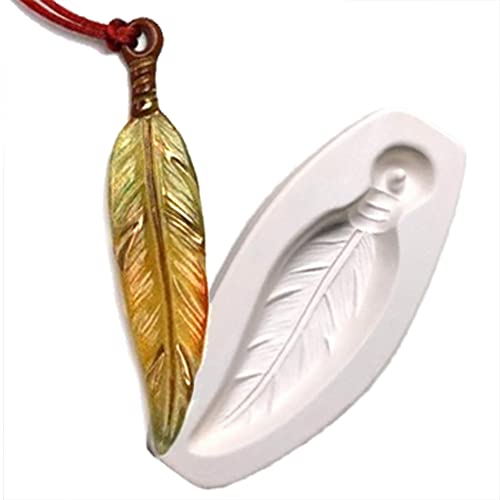
With finished dimensions of 5″ by 1.75″, this feather-shaped mold (LF187) accommodates a frit load of approximately 35 grams per cavity. It is optimized for glass fusing and slumping applications, offering a relatively larger usable surface area for decorative pieces. The plaster casting mold is designed to tolerate multiple firings, provided proper venting and temperature control are observed to prevent cracking or warping.
Cast-A-Cab Holey Circle Casting Mold
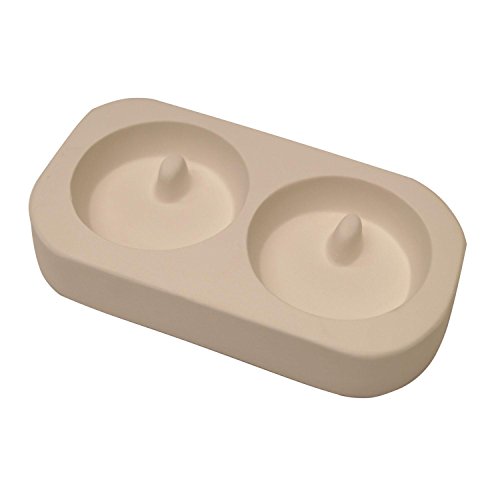
Designed to work with the Scrapmaster Cast-a-Cab Melt Mold, this holey circle mold enables the creation of one-of-a-kind jewelry pendants and decorative pieces. It presents an efficient method to repurpose scrap glass, turning leftovers into new forms. The unique perforated design supports interesting light show effects in finished pieces, especially when combined with varied frit color palettes. Proper cooling and gradual heating are essential to preserve intricate edges and perforations.
Plaster Mold for Bowl – Ceramic Casting Mold
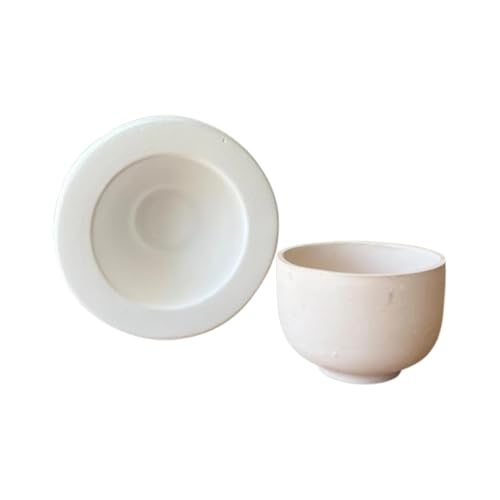
This ceramic bowl mold supports slip casting with dry to semi-dry clays, offering inner dimensions of 11 cm in diameter and 8 cm in height. The mold emphasizes durability and resistance to surface wear, enabling consistent bowl shapes across sessions. Keep in mind that firing shrinkage and glaze-retention can vary based on clay type and firing depth. The design aims to maximize mold life while maintaining accuracy in finished bowls.
Bullseye Glass Co. Slumper Mold

The 6-1/4″ square slumper mold provides a stable platform for wavy or flat-bottom slumps. Its square 6.1 x 6.1 inch footprint offers ample surface for experimental cuts and frit layouts, with a height of about 1.1 inches. It suits beginners and experienced glass crafters seeking repeatable slump shapes for functional pieces or displayware.
Firelite Forms Trio Heart Glass Casting Mold

Make three castings in one firing with this trio heart mold. It is designed for glass jewelry applications and emphasizes repeatability and ease of use. The ceramic molds can endure multiple firings, making it a practical option for batch production of heart-themed pendants or decorative pieces. Use compatible frit and color combinations to enhance the visual impact of each heart.
Buying Guide: Key Purchase Considerations
- Material and durability: Look for high-density plaster molds that resist cracking and wear. Durability affects longevity and the consistency of finished pieces.
- Firing compatibility: Verify whether the mold is suitable for slip casting, frit casting, or slumping, and ensure your firing schedule aligns with the mold’s tolerances.
- Dimensional accuracy: Mold dimensions influence final piece size. Consider tolerance ranges and how shrinkage may vary with clay type and firing depth.
- Number of cavities: Molds with multiple cavities (like two 2″ circles or three hearts) offer efficient batch production but may require careful temperature control to avoid warping.
- Piece reuse and maintenance: Some molds are rated for around a hundred uses or more; proper cleaning and storage extend their life.
- Project versatility: If you plan to experiment with frit colors, textures, or thicknesses, choose molds that support varied glass formulations and give predictable results.
- Safety and handling: Always follow manufacturer guidelines for handling plaster molds, including proper cooling between firings and avoiding sudden temperature changes.
When selecting a plaster or silica mold for glass casting, weigh your intended projects, budget, and firing setup. The five options outlined here provide a spectrum of sizes, shapes, and capabilities, enabling hobbyists to explore slip casting, frit casting, and slumping with reliable results.