Furniture restoration often hinges on a well-chosen wax that nourishes, protects, and enhances grain. The following selections represent accessible, durable options for reviving wood surfaces, from antique furniture to everyday pieces. Each product emphasizes beeswax or carnauba wax blends, with easy application and conditioning oils to guard against drying and fading.
| Product | Brand | Key Benefit | Image |
|---|---|---|---|
| Howard Feed-N-Wax Wood Polish & Conditioner (Orange) | HOWARD | Feed and protect with carnauba and beeswax | 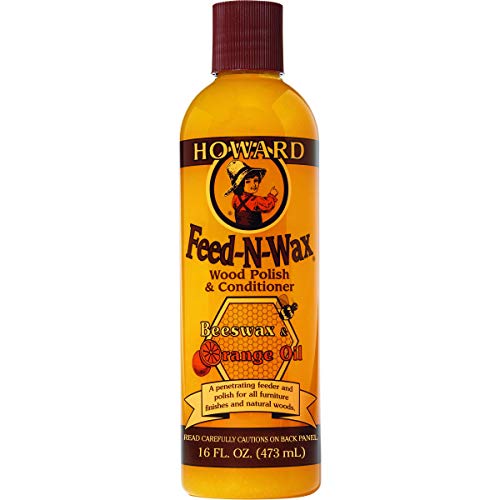 |
| PIPIHUA Beeswax Polish & Conditioner for Wood Furniture | PIPIHUA | Natural beeswax with mineral oil; restores and protects |  |
| The Original Bee’s Wax Old World Formula Furniture Polish | The Original Bee’s Wax | Old world formula for multi-surface polish | 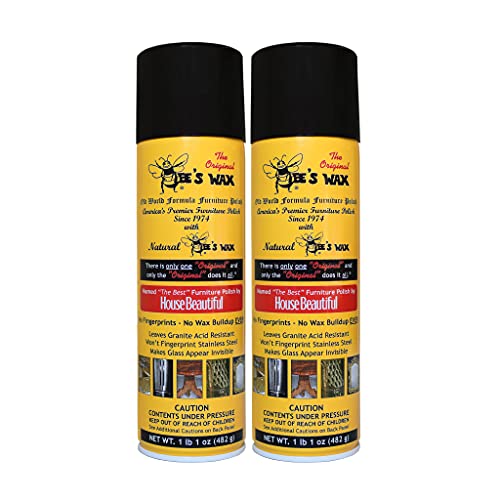 |
| Premium Food-Safe Beeswax Wood Polish & Furniture Wax | Rhoose Point Remedies | All-natural, food-safe, hand-poured beeswax conditioner |  |
| Wood Finishing Wax for Furniture (Chalk Paint Wax) | DWIL | Natural plant-based oils with carnauba and beeswax |  |
Below are five product-focused sections that explain how each wax can support furniture restoration, with practical usage notes and key features drawn from the product listings.
Howard Feed-N-Wax: Classic Wood Polish
Howard Feed-N-Wax combines beeswax, carnauba wax, and orange oil to bring out natural grain while providing a protective, conditioning film. This multi-purpose polish is suited for antiques, dining tables, and cabinets, offering a balance of beauty and durability. The wax blend helps guard surfaces against drying and fading, making it a staple for restoring mid-century or heirloom woods alike. Application involves wiping the surface to spread a thin layer, then buffing to a soft luster.
PIPIHUA Beeswax Polish & Conditioner
PIPIHUA uses natural beeswax combined with mineral oil, producing a non-toxic, silicone-free polish. It is designed to moisturize and protect all wood types and colors, with a simple application process: clean the surface, apply evenly, wait 15–30 minutes, then wipe away excess and allow 2–24 hours to dry completely. The product helps restore the appearance of aged furniture and creates a protective film that preserves natural beauty over time.
The Original Bee’s Wax Old World Formula
This two-pack offers a versatile, multi-surface polish that works on wood, leather, marble, metal, glass, and more. It is designed to leave no fingerprints and to avoid wax buildup over time, making it suitable for ongoing restoration projects and surfaces with varied finishes. The Old World formula emphasizes a classic wax approach that enhances depth without obscuring grain.
Premium Food-Safe Beeswax Wood Polish
Rhoose Point Remedies offers a 100% natural, British beeswax-based conditioner that is food-safe and hand-poured. It cleans, restores, conditions, and polishes wooden surfaces, making it well-suited for kitchen items like cutting boards and worktops as well as general furniture. This product highlights purity and environmental responsibility while delivering a protective finish that enhances natural color and grain.
DWIL Wood Finishing Wax
DWIL’s 100% natural chalk paint wax blends plant-based oils with carnauba and beeswax to create a clear protective finish for painted and raw wood surfaces. It is designed to seal, fill fine cracks, and enhance grain, making it suitable for restoring distressed or antique furniture projects. The formula emphasizes safety and eco-friendliness while delivering durable indoor and outdoor protection.
Buying Guide: Choosing the Right Wax For Furniture Restoration
- Surface compatibility: Consider whether you’re sealing bare wood, stained finishes, or painted surfaces. Some waxes are multi-surface, while others are tailored to wood alone.
- Natural ingredients: Look for beeswax or carnauba-based formulas, especially if you want a traditional, easy-to-buff finish without harsh chemicals.
- Food-safe considerations: If the piece resides in a kitchen or dining area, select a product labeled as food-safe or non-toxic.
- Application and drying time: Some waxes require longer curing for best results. Easy-to-use blends with shorter cure times are ideal for quick projects.
- Depth of restoration: Waxes vary in how deeply they nourish grain and fill minor scratches. For heavily dried or distressed wood, a conditioning blend may be most effective.
- Maintenance and reapplication: Consider how often you’ll need to reapply and whether the product builds up over time or buffs cleanly.
- Color and tone: Clear wax preserves the natural color, while tinted or orange-oil blends can warm or enrich the wood’s appearance; choose per your piece’s character.
- Environmental and safety factors: If you prefer eco-friendly, low-VOC options, check labels for ingredients and certifications.
When restoring furniture, select a wax that aligns with the project’s needs—whether you’re reviving a vintage dresser or protecting a kitchen island. The products above offer a range of conditioning, sealing, and aesthetic-enhancing options, allowing for careful restoration while maintaining a natural look.